























Pour une meilleure expérience,
veuillez tourner votre téléphone
en mode paysage.

For a better experience,
please rotate your phone
to landscape mode.

Loading, please wait...If loading takes too long, refresh the page. It should load faster the second time.
Chargement, merci de patienter...Si le chargement est trop long, rafraîchir la page. Cela devrait être plus rapide la seconde fois.
Vous venez de / You came from:
On se connaît ? / Do we know each other?
Simply me, naked, with my heart wide open ♥. Diary of a Sentimental Depressive
- The World before Daniel Walasek
This site is a deeply personal and private space. It calls for neither judgment, interpretation, nor intrusion. Some people reveal themselves on InstaThing, TikSomething or FaceWhatever, just to do what everyone else does. I’m not everyone else, I am ME. I’m never where people expect me to be, and I’d rather die than lose my individuality. I prefer to keep complete, personal control, down to the very last line of code, down to the very last comma, over what I show and how I show it. I’m a kind-hearted guy, always ready to help, but if I’m attacked, I can bite… very hard! To narrow-minded people, the dim-witted, those of limited IQ, the xenophobic — in the original sense of the word —, and those who choose to see something wrong in everything or attribute intentions to others that simply are not there: just move on.
For me, it is a therapy, a way to crystallize what I feel, to let out the suffering, the pain of living and the tears that accompany me every day, so that they do not build up to the point of becoming deeply destructive and reaching ... a point of no return...
We never really recover from our neuroses. We learn to live with them so that they leave us in peace, at least a little. What matters here comes from the heart, from genuine feelings, ... Nothing else ! You are free to enter this world or not. If you choose to enter, leave your judgments at the door.
Simplement moi, nu, à cœur ouvert ♥. Journal d’un dépressif sentimental
- Le Monde avant Daniel Walasek
Ce site est un espace intime et personnel. Il n’appelle ni jugement, ni interprétation, ni intrusion. Certains se dévoilent sur Instatruc, TikChose ou FaceMachin, pour faire comme tout le monde. Je ne suis pas tout le monde, je suis MOI. Je ne suis jamais là où l’on m’attend et je préfère mourir plutôt que de perdre ma personnalité. Je préfère garder un contrôle total et personnel, à la ligne de code près, à la virgule près, sur ce que je montre et la manière dont je le montre. Je suis un garçon gentil, le cœur sur la main, mais si l’on m’attaque, je suis capable de mordre… très fort ! Aux esprits étriqués, aux bas de plafond, aux QI limités, aux xénophobes — au sens premier du terme —, à ceux qui choisissent de voir le mal partout ou de prêter aux autres des intentions qui ne sont pas les leurs : passez simplement votre chemin.
C'est une sorte de thérapie, pour cristalliser ce que je ressens, pour laisser sortir la souffrance, la douleur de vivre et les larmes qui m’accompagnent au quotidien, afin d’éviter qu’elles ne s’accumulent jusqu’à devenir profondément destructrices et atteindre ... un point de non-retour...
On ne guérit pas de ses névroses. On apprend à vivre avec pour qu'elles nous laissent un peu en paix. Ici, l’essentiel vient du cœur, des sentiments, ... Rien d’autre ! Vous êtes libre d’entrer ou non dans cet univers. Si vous y entrez, laissez vos jugements à la porte.
Music Credits Phases Website 1,2&3: N. Burnouf (Burnouf/Burnouf) — Mine — 2002  ·   N. Burnouf (Burnouf/Burnouf) — Like red blood in my veins — 2002  ·  N. Burnouf (Burnouf/Burnouf) — The Willow — 1998  ·  Rex Smith — Simply Jessie — 1979  ·  France Gall — Musique — 1977
From the Heart - Optimised For Chromium Technology (Chrome, Edge Chromium, Brave, ...) — Nicolas Burnouf (Send a message)
From the Heart
From the Heart ©2026   THE FULL EXPERIENCE From the Heart
You must always believe in your dreams, even when you think it’s a lost cause, even when you assume it’s impossible, that everything is ruined, all over, or simply unthinkable.

This site is a deeply personal and private space. It calls for neither judgment, interpretation, nor intrusion. To narrow-minded people, and to those who choose to see something wrong in everything or attribute intentions to others that simply are not there: just move on.
For me, it is a therapy, a way to crystallize what I feel, to let out the suffering, the pain of living and the tears that accompany me every day, so that they do not build up to the point of becoming deeply destructive and reaching ... a point of no return...
We never really recover from our neuroses. We learn to live with them so that they leave us in peace, at least a little. What matters here comes from the heart, from genuine feelings, ... Nothing else !
|
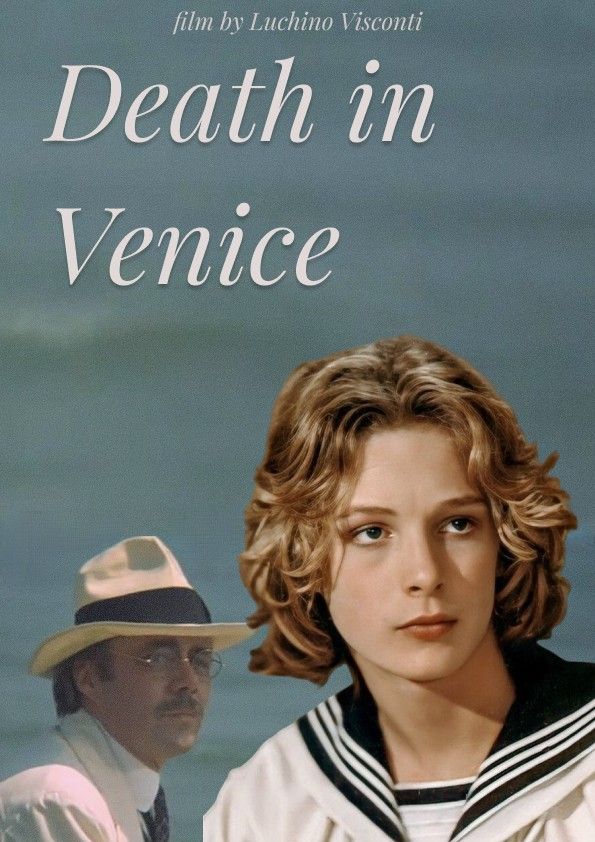
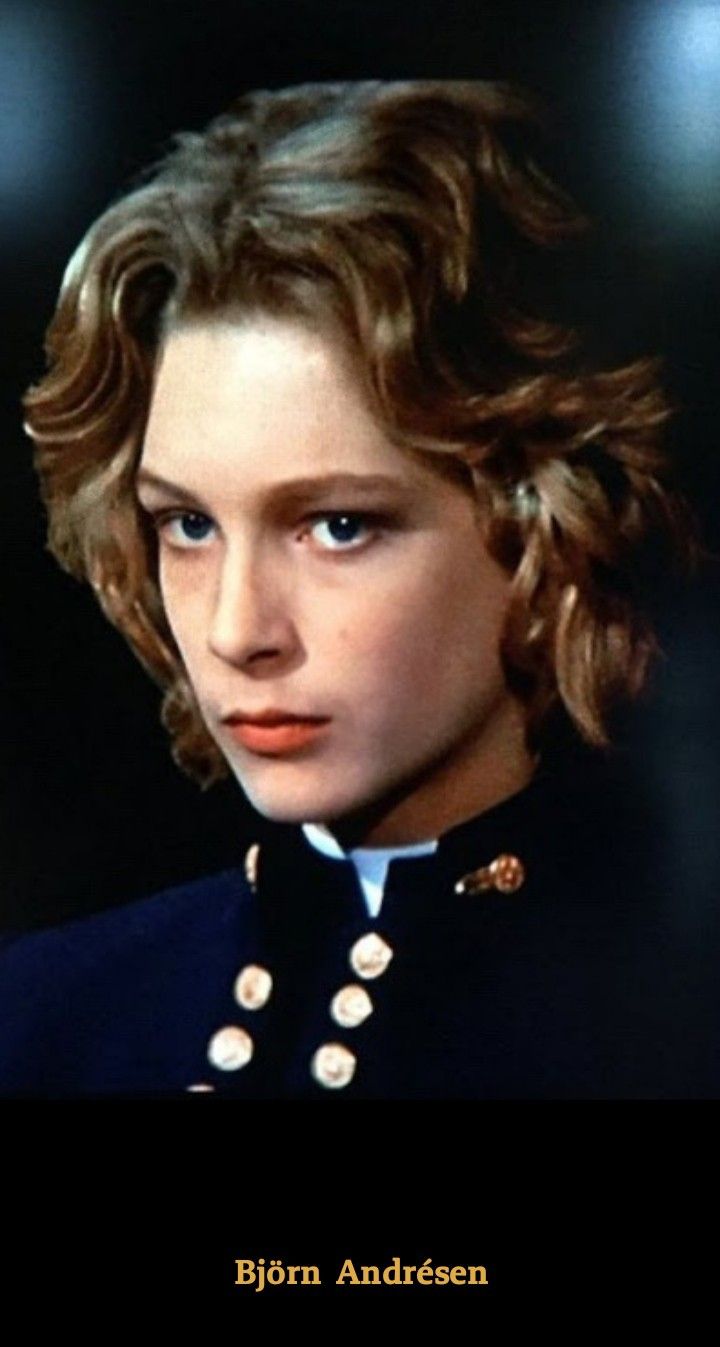
From the Heart — Daniel Walasek, music, nostalgia, beauty, Nicolas Burnouf, Dmitrii Murashev, Leif Garrett, Björn Andrésen and more.
From the Heart - Nicolas Burnouf From the Heart - Nicolas Burnouf
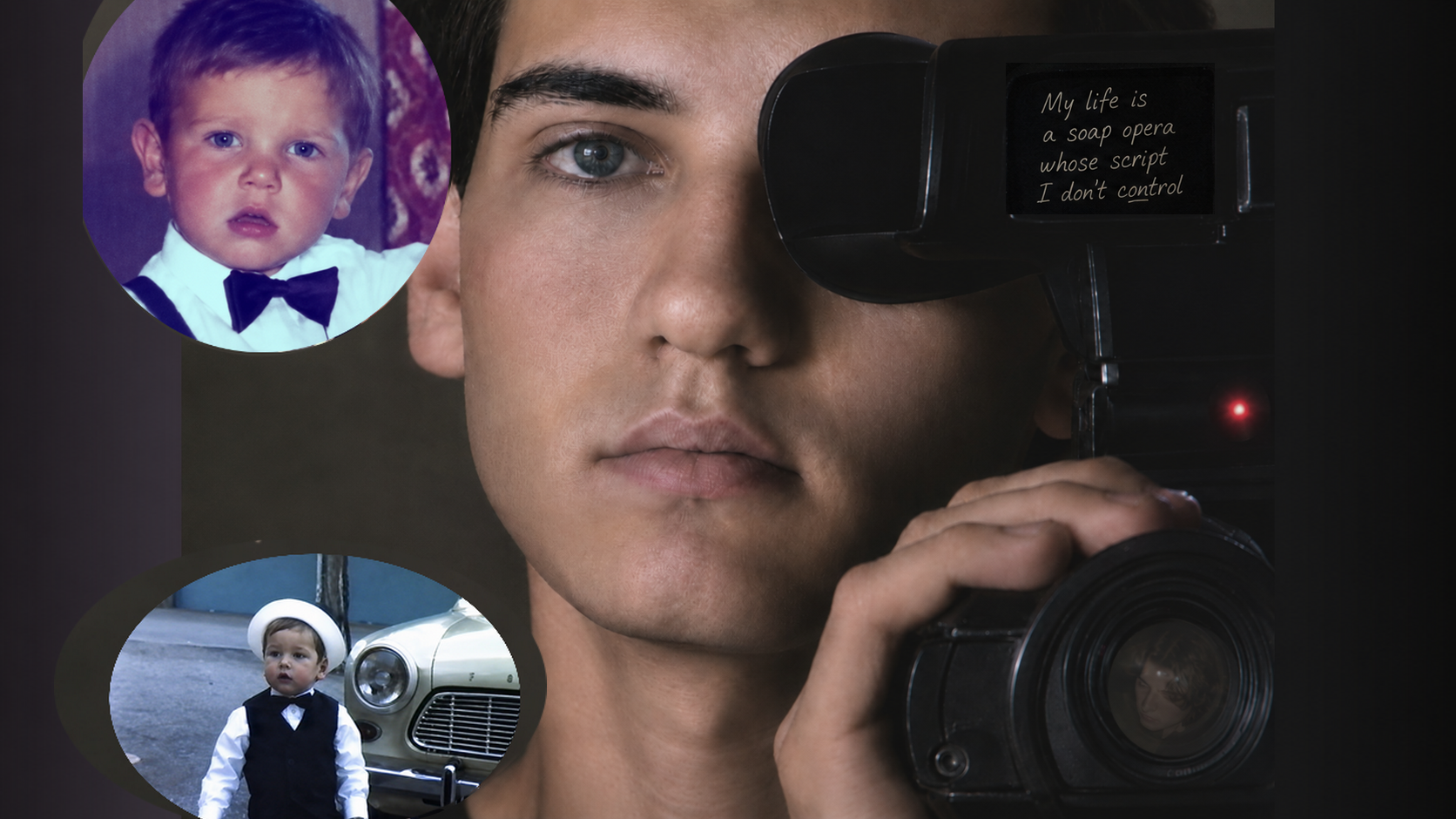
Alençon dans les années 60 : Prenez un enfant né, par accident, dix ans après sa sœur et treize ans après son frère, des parents aimants mais âgés pour l’époque, un père presque absent de son éducation et une mère autoritaire, neurasthénique, à traits Asperger et surprotectrice. Choyé, surprotégé dans un univers d'adultes, entre une mère, une grand-mère, une sœur maternelle et une nourrice qui l’est tout autant, mère de quatre filles, qui toutes s’occupent de lui comme d’un petit dieu.

Il se sent différent, presque étranger à ce monde : hypersensible, avec une sensibilité féminine, un rapport aux autres et des comportements autistiques — longtemps incapable de regarder un inconnu dans les yeux en lui disant simplement bonjour, ou de véritables crises d’angoisse parce que ses draps n’étaient pas parfaitement exempts de plis —, et intellectuellement précoce. Il ne sait ni jouer ni vraiment partager avec ceux de son âge. De là, peut-être, cette étrange carence affective : non pas celle de n’avoir jamais été aimé, mais de n’avoir jamais trouvé quelqu’un qui lui ressemble…

Des années « collège » intellectuellement brillantes, mais catastrophiques d'un point de vue relationnel : mise à l’écart, brimades, sentiment de différence… Il finira pourtant par en faire une force au lycée.

À 18 ans, au moment où le sida déferle, le choix semblait simple : ne pas vivre, ou risquer d’en mourir…, hypocondriaque, le choix est vite fait.

Une part de son âme est restée coincée là… Difficile d’avancer quand on s’éloigne inéluctablement de soi....Comment faire le grand écart ?

Finalement quelqu’un qui, tout en assumant pleinement ses responsabilités privées et professionnelles d’adulte, continue de vivre dans son propre univers, très cérébral, dans son monde. Le monde des adultes lui reste, à quelques exceptions près, étranger voire hostile : ces gens qui, à ses yeux, deviennent froids, moches, insensibles, distants, formatés… Il se sent comme un extraterrestre parmi eux, au point de se demander encore, lorsqu’il entend « Monsieur », si c’est bien à lui que l’on s’adresse, et de ne toujours pas comprendre l’intérêt du vouvoiement — y compris avec ses propres élèves (le respect ne se mesure pas au nombre de vouvoiements) — sinon celui de mettre de la distance entre les gens.

Tiraillé entre une empathie forte pour son prochain et un misanthropie patente, il préfère souvent sa solitude et la compagnie des animaux, pour ne pas être déçu.

Il supporte mal de ne pas être aimé et plus mal encore d’être invisible aux yeux des autres. Il a besoin d’être vu, de compter, d’exister dans le regard de l’autre. Il aime tout ce qui brille, la soie, le satin, la couleur, les pierres précieuses, tout ce qui, pour lui, symbolise la vie, comme une manière de la retenir, de s’y accrocher, pour ne pas mourir…

Dans la relation amoureuse, s’y ajoute un autre besoin, tout aussi profond : celui d’admirer l’être aimé, de le sublimer et de l’idéaliser. Au point, parfois, de vivre et de sublimer davantage la relation dans son imaginaire qu’elle n’existe véritablement dans la réalité. Il ne supporte pas la violence, pleure de voir ce monde si froid, si moche, si loin de ce qu’il ressent, et voudrait embrasser la Terre entière, jusqu’à pleurer d’avoir blessé quelqu’un sans le vouloir. Vieillir lui fait viscéralement peur parce qu’au fond, il ne veut surtout pas devenir comme eux.

Son rapport aux femmes est tout aussi particulier. Il avoue avoir peu d’affinités avec un certain type de femmes : très apprêtées, ingénues, parfois « godiches » à ses yeux (« filles TikTok », le fantasme de l’hétérosexuel de base : tout dans le maquillage, rien dans le cerveau). Non par misogynie : il a toujours préféré les femmes de caractère, celles qui pensent, s’affirment, avec lesquelles on peut réellement échanger, sans que cela ne leur enlève quoi que ce soit de leur féminité.

Il avoue avoir une aversion complète pour les sports populaires collectifs et n’a jamais vraiment compris cet emballement général pour onze types qui tapent dans une balle, loin, tellement loin de son univers — aversion sans doute renforcée, dès l’enfance, par le monceau d’abrutis que fréquentait son père, alors dirigeant de football.

Il avoue n’avoir jamais, ou presque, mis les pieds dans une salle de cours ou un amphithéâtre à la faculté de Rennes, sauf évidemment lors des examens, préférant potasser seul, la nuit, devant ses bouquins, et se préparer lui-même un cours à sa sauce, une cigarette et un café à portée de main ; et reconnaît n’avoir jamais vraiment préparé un concours avant de le passer.

Il se désespère de ne pas voir venir le sursaut dont l’Éducation nationale aurait tant besoin, après quarante années de pédagogisme et une emprise toujours croissante des sciences de l’éducation. Face aux conséquences de cette lente dérive, il éprouve surtout une profonde tristesse pour les élèves, qu’il se garde bien de blâmer : ils ne sont pas responsables du chaos dont ils héritent, mais en sont, à ses yeux, les premières victimes. Des élèves qu’il a toujours cherché, autant que faire se peut, à tirer vers le haut, quitte parfois à se faire rappeler à l’ordre par une institution plus soucieuse de conformité que d’exigence.

La démocratisation systématique des choses lui paraît également être une absurdité. Les choses ont un prix, se méritent, et à vouloir rendre tout accessible à tous, immédiatement et sans effort, on finit souvent par en altérer la valeur et la qualité. Il y voit le même phénomène dans les arts, dans les biens que l’on possède, comme dans la transmission du savoir et l’exigence intellectuelle : à force de vouloir abaisser tous les seuils, on finit par abaisser ce que l’on voulait rendre accessible, et l’on crée une société d’assistés, parfois incultes, souvent formatés, qui prennent pour vérités des automatismes de pensée refilés par d’autres ou les préceptes d’une bien-pensance conformiste qu’il exècre, sans jamais prendre le moindre recul et qui ne supportent plus la frustration. Ce n’est pas parce que le peuple partage un même avis que cet avis vaut davantage, ni qu’il devient une vérité.
Pour lui, la démocratie est un jeu de marionnettes où chacun s’imagine tenir les fils… un système absurde ; malheureusement, tous les autres sont pires !

Il est profondément désespéré de voir certaines franges politiques extrêmes gangréner l’esprit d’une grande partie de la jeunesse, substituant à la réflexion le dogme, à l’esprit critique l’endoctrinement et à la liberté de penser le conformisme.

Il apprécie quelqu’un pour son ouverture d’esprit, son intelligence, sa gentillesse, son affection, son charme et son pouvoir de séduction, quelles que soient sa couleur de peau ou ses origines ; les appartenances lui importent peu, pourvu qu’elles ne prennent pas le pas sur l’individu ni ne deviennent une affirmation identitaire ostensible. Il avoue se sentir rapidement bloqué face aux personnes froides ou distantes, aimables mais sans plus, comme s’il ne savait que faire d’une relation dépourvue de chaleur, d’affection ou de véritable proximité. Il reste profondément attaché aux racines chrétiennes de son pays, non pas forcément par conviction personnelle, mais comme héritage culturel et historique, et plus encore au mode de vie et aux libertés qui ont façonné la société dans laquelle il a grandi ; il avoue se sentir plus proche de l’Europe du Nord et de l’Est.

Certaines carences ne disparaissent pas avec l’enfance et l'adolescence … Elles se déplacent et finissent par nous ronger : Lorsque l’on fait un enfant, il faut toujours penser à lui, avant de penser à soi! On ne fait pas un enfant pour soi! Et si les conditions ne sont pas reunies, on s'abstient! Lui, il en a pour la vie!

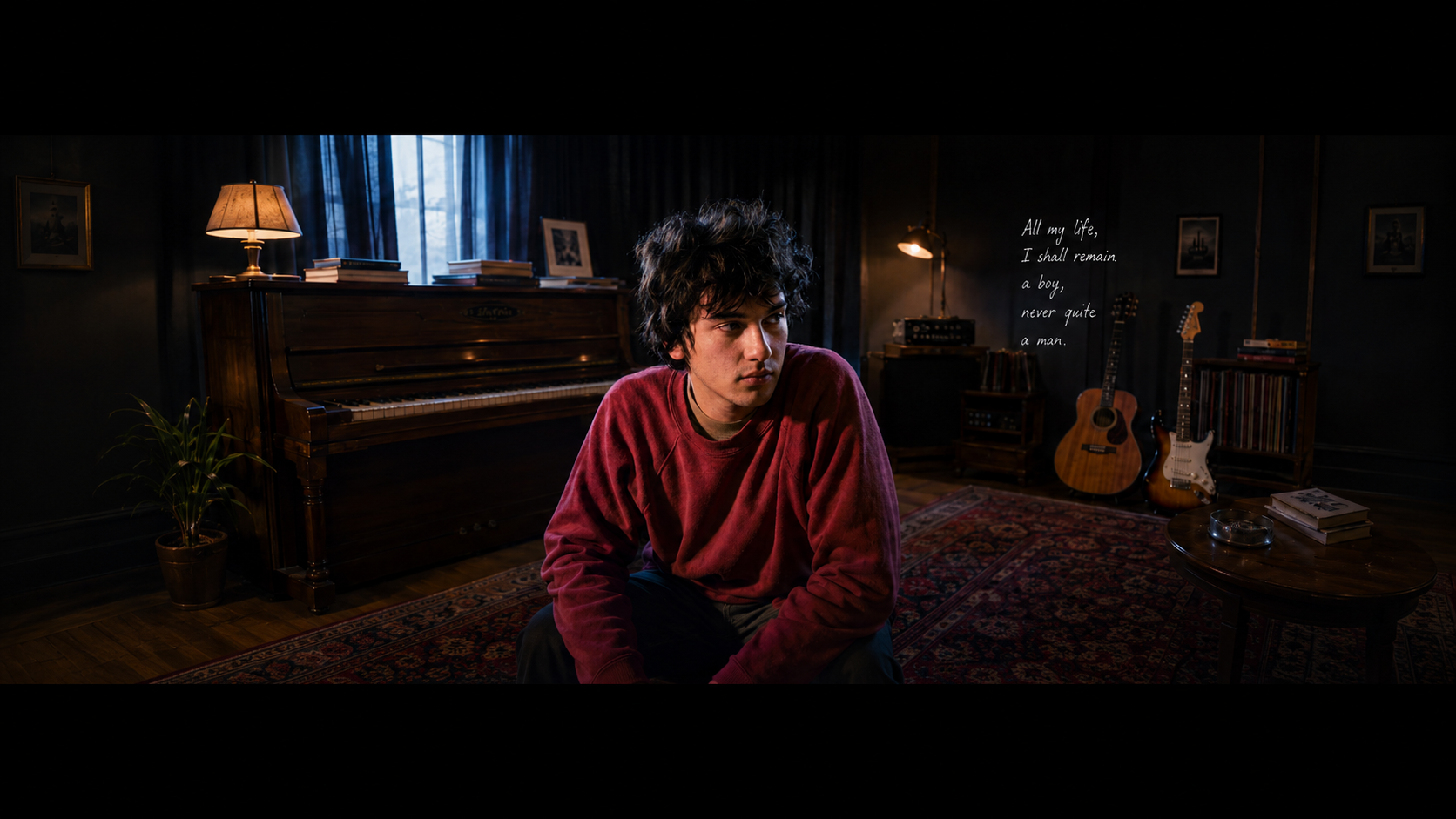
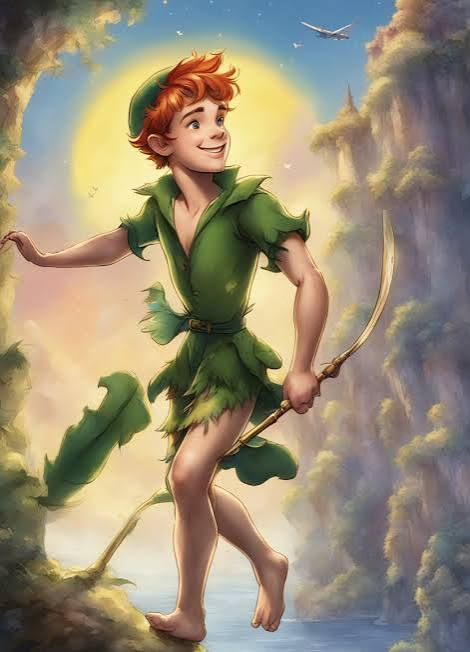
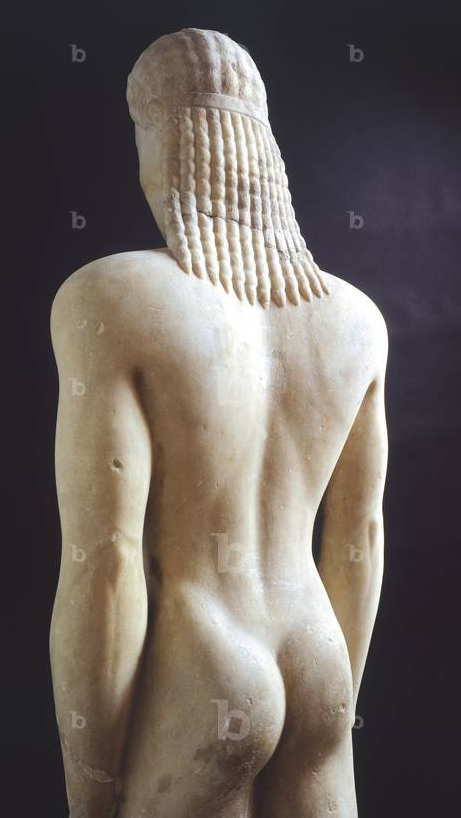
En résumé, je ne veux pas être dans une case, je ne veux pas être rangé, je suis « moi », à la fois Peter Pan et Arthur Rimbaud, à la fois Esthète et Kouros, la tête dans les nuages de Mykonos ; je ne veux pas être raisonnable, je ne veux pas grandir, je ne veux pas vieillir, je ne veux pas que l’on m’oublie… Je ne veux pas mourir !

On ne guérit pas de ses névroses. On apprend à vivre avec pour qu'elles nous laissent un peu en paix
Alençon in the sixtees : Take a child born by accident, ten years after his sister and thirteen years after his brother, with loving parents who were considered rather old at the time, a father almost absent from his upbringing and an authoritarian, neurasthenic, overprotective mother with Asperger-like traits. Cherished and overprotected in an adult world, surrounded by a mother, a grandmother, an almost maternal sister and an equally maternal nanny — herself the mother of four daughters — all of whom looked after him like a little god.

He feels different, almost a stranger to this world: hypersensitive, with a more feminine sensitivity, an autistic way of relating to others and autistic behaviours — for a long time unable to look a stranger in the eye while simply saying hello, or suffering genuine anxiety attacks because his bedsheets were not perfectly free of creases —, and intellectually precocious. He knows neither how to play nor how truly to share with children his own age. Hence, perhaps, this strange emotional void: not from never having been loved, but from never having found someone like him…

Intellectually brilliant “middle school” years, but disastrous from a social point of view: exclusion, bullying, a constant sense of being different… And yet, in high school, he would eventually turn all of it into a strength.

At eighteen, just as AIDS was sweeping across the world, the choice seemed simple: not to live, or to risk dying from it…, Hypochondriac — the choice is quickly made.

A part of his soul remained stuck there… It is hard to move forward when, inevitably, you are moving further and further away from yourself.

You end up with someone who, while fully taking on his responsibilities in both his personal and professional life as an adult, continues to live in his own highly cerebral universe, in his own world. The adult world remains foreign to him, even hostile, with a few exceptions: those people who, in his eyes, become cold, ugly, insensitive, distant, formatted… He feels like an alien among them, to the point that even now, when he hears “Sir”, he wonders whether it is really him being addressed, and still cannot understand the point of formal address — including with his own students (respect is not measured by the number of formal pronouns one uses) — other than to create distance between people.

Torn between a strong empathy for his fellow human beings and a blatant misanthropy, he often prefers solitude and the company of animals, so as not to be disappointed.

He finds it hard not to be loved, and harder still to be invisible in the eyes of others. He needs to be seen, to matter, to exist in another person’s gaze. He loves everything that shines — silk, satin, colour, precious stones — everything that, to him, symbolises life, as though it were a way of holding on to it, clinging to it, so as not to die…

In a romantic relationship, another need is added, just as deep: the need to admire the person he loves, to sublimate and idealise them. Sometimes to the point of living and sublimating the relationship more intensely in his imagination than it truly exists in reality. He cannot bear violence, cries at seeing this world so cold, so ugly, so far removed from what he feels, and would like to embrace the whole Earth, even to the point of crying because he has hurt someone unintentionally. Growing old frightens him viscerally because, deep down, above all he does not want to become like them.

His relationship with women is just as particular. He admits to having little affinity with a certain type of woman: very made-up, ingenuous, sometimes rather “silly” in his eyes (“TikTok girls”, the fantasy of the average heterosexual male: everything in the make-up, nothing in the brain). Not out of misogyny: he has always preferred women with character, women who think, assert themselves, and with whom one can genuinely exchange ideas, without that taking anything away from their femininity.

He admits to having a complete aversion to popular team sports and has never really understood this general enthusiasm for eleven guys kicking a ball around — far, so far, from his world — an aversion no doubt reinforced in childhood by the host of idiots his father used to associate with, as a football club executive at the time.

He admits to having hardly ever set foot in a classroom or lecture hall at the University of Rennes, except, of course, for examinations, preferring to study on his own at night, surrounded by books, and put together his own course in his own way, with a cigarette and a cup of coffee at hand; and admits that he never really prepared for a competitive examination before sitting it.

He despairs at seeing no sign of the revival the French education system so desperately needs, after forty years of educational dogma and the ever-growing influence of the educational sciences. Faced with the consequences of this long decline, what he feels above all is a deep sadness for the students, whom he is careful never to blame: they are not responsible for the chaos they have inherited but are, in his eyes, its first victims. Students whom he has always tried, as far as possible, to push upwards and encourage to aim higher, even at the risk of being reprimanded by an institution sometimes more concerned with conformity than with high standards.

The systematic democratisation of things also strikes him as absurd. Things have a price, they have to be earned, and in trying to make everything accessible to everyone, immediately and without effort, one often ends up diminishing their value and quality. He sees the same phenomenon in the arts, in the things we own, as in the transmission of knowledge and intellectual standards: by constantly trying to lower every threshold, we end up lowering the very thing we wanted to make accessible, while creating a society of people increasingly dependent on assistance, sometimes uncultivated, often conditioned, who take as truths patterns of thought handed down by others or the precepts of a conformist orthodoxy he detests, without ever taking the slightest critical distance and who are unable to tolerate frustration. Just because the people share the same opinion does not make that opinion more valuable, nor does it make it a truth.
For him, democracy is a puppet show in which everyone imagines they are pulling the strings… an absurd system; unfortunately, all the others are worse!.

He is deeply disheartened to see certain extremist political factions poisoning the minds of a large part of the younger generation, replacing reflection with dogma, critical thinking with indoctrination, and freedom of thought with conformism.

He values people for their open-mindedness, intelligence, kindness, affection, charm and power of seduction, whatever their skin colour or origins; affiliations matter little to him, provided they do not take precedence over the individual or become an ostentatious assertion of identity. He admits to quickly feeling at a loss with people who are cold or distant, pleasant but no more than that, as though he did not know what to make of a relationship lacking warmth, affection or genuine closeness. He remains deeply attached to the Christian roots of his country, not necessarily out of personal conviction, but as a cultural and historical heritage, and even more to the way of life and freedoms that have shaped the society in which he grew up; he admits to feeling closer to Northern and Eastern Europe.

Some deficiencies do not disappear with childhood and adolescence… They shift and eventually eat away at us: when you have a child, you must always think of the child before thinking of yourself! You do not have a child for yourself! And if the conditions are not right, you refrain! He will carry it for life!

In short, I do not want to be put in a box, I do not want to be categorised; I am “me”, at once Peter Pan and Arthur Rimbaud, at once Aesthete and Kouros, my head in the clouds of Mykonos; I do not want to be reasonable, I do not want to grow up, I do not want to grow old, I do not want to be forgotten… I do not want to die!

You do not recover from your neuroses. You learn to live with them so that they leave you a little peace.
Peter Pan
|
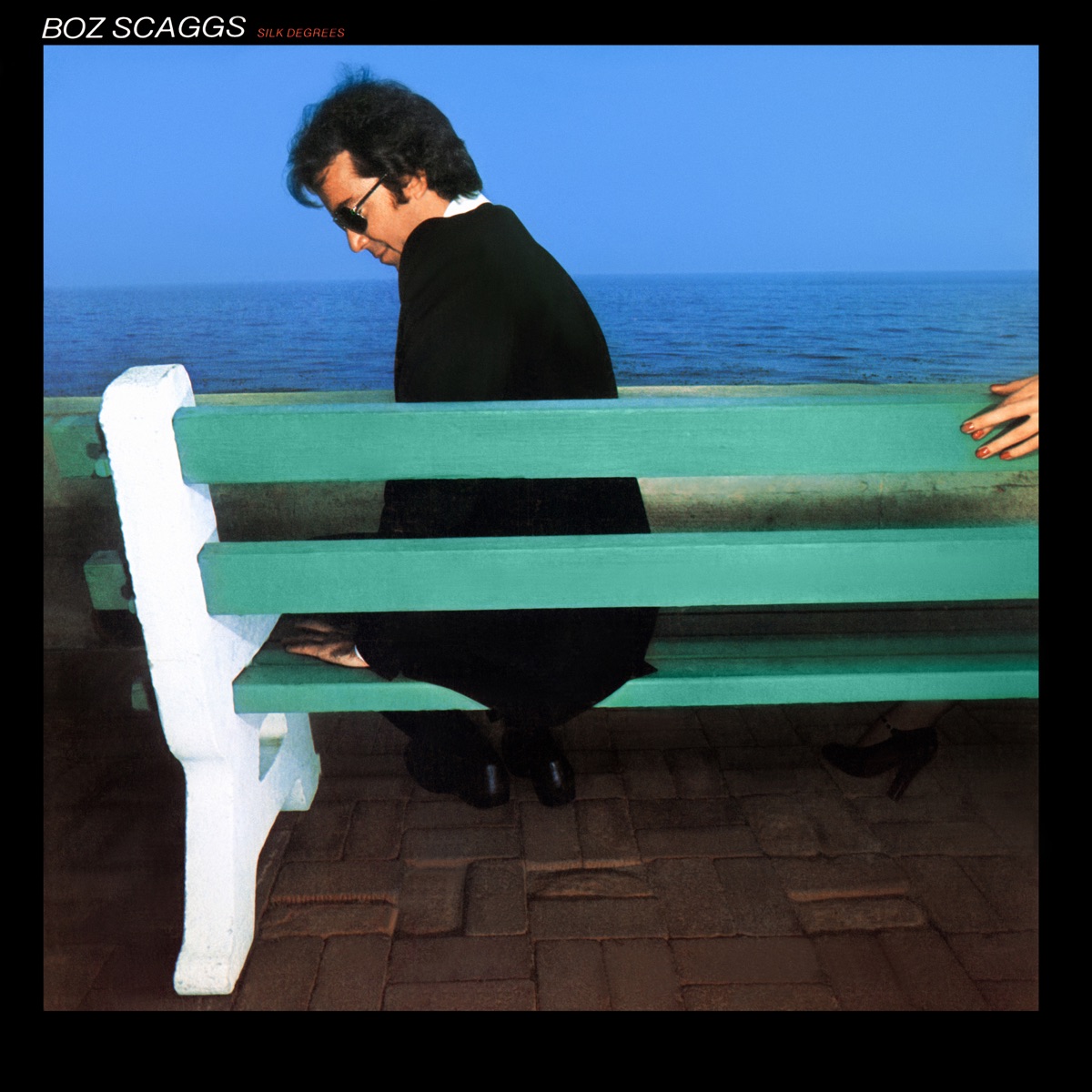
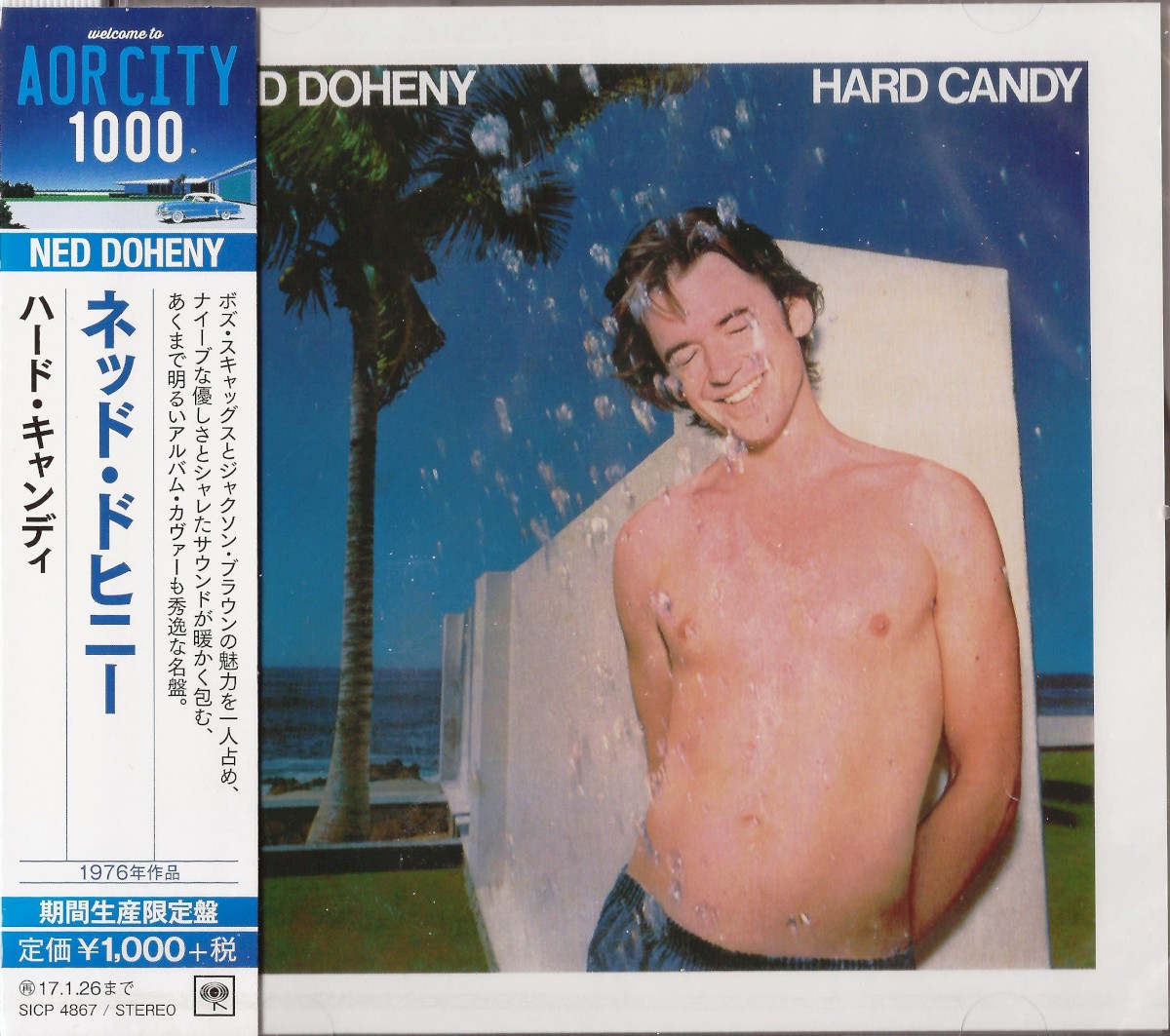
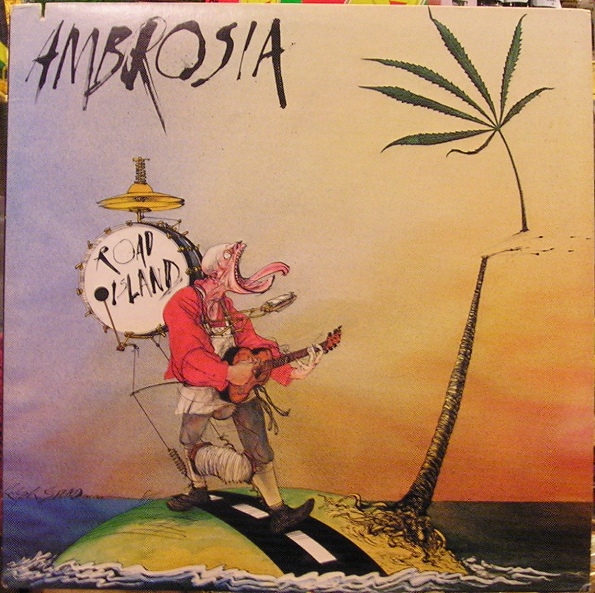
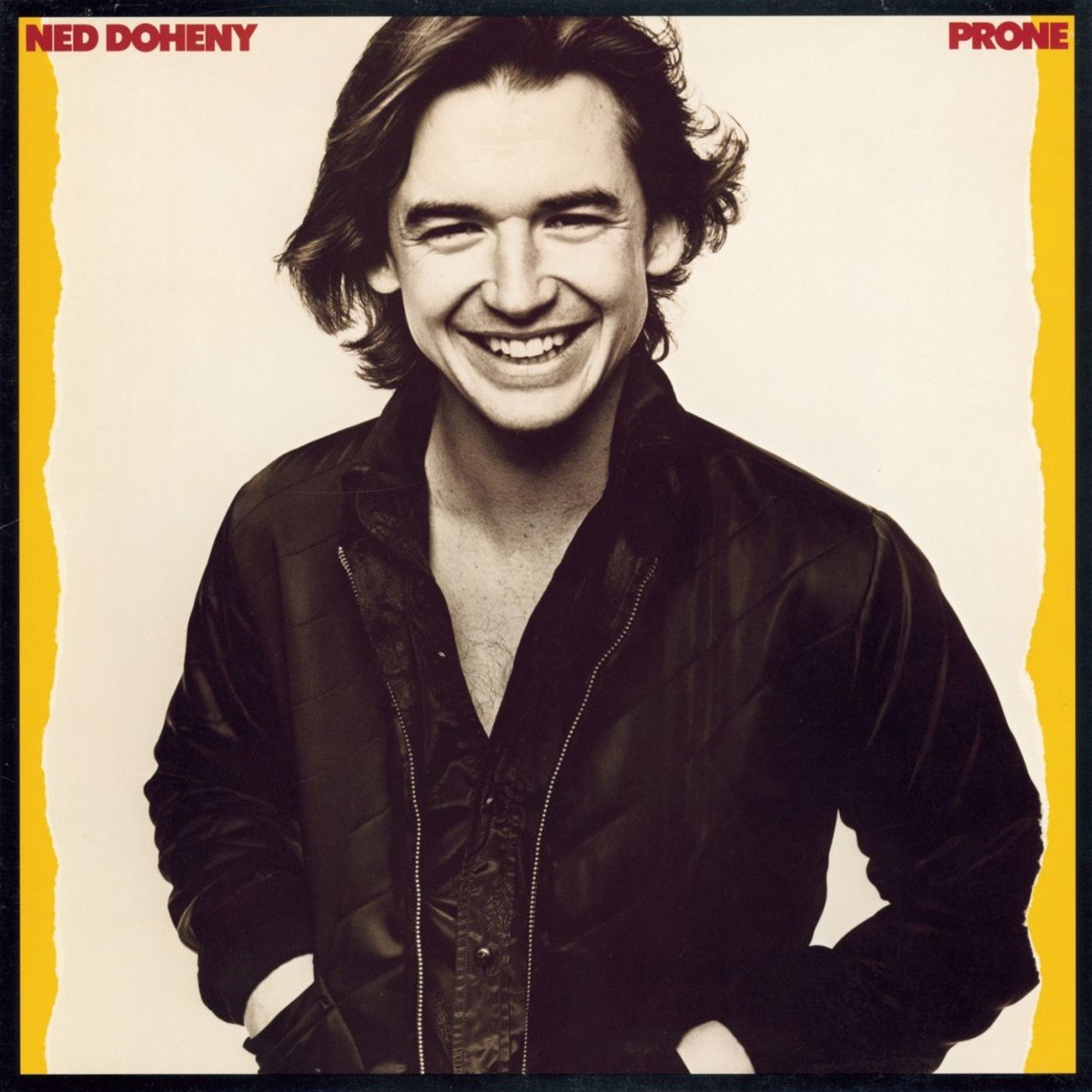
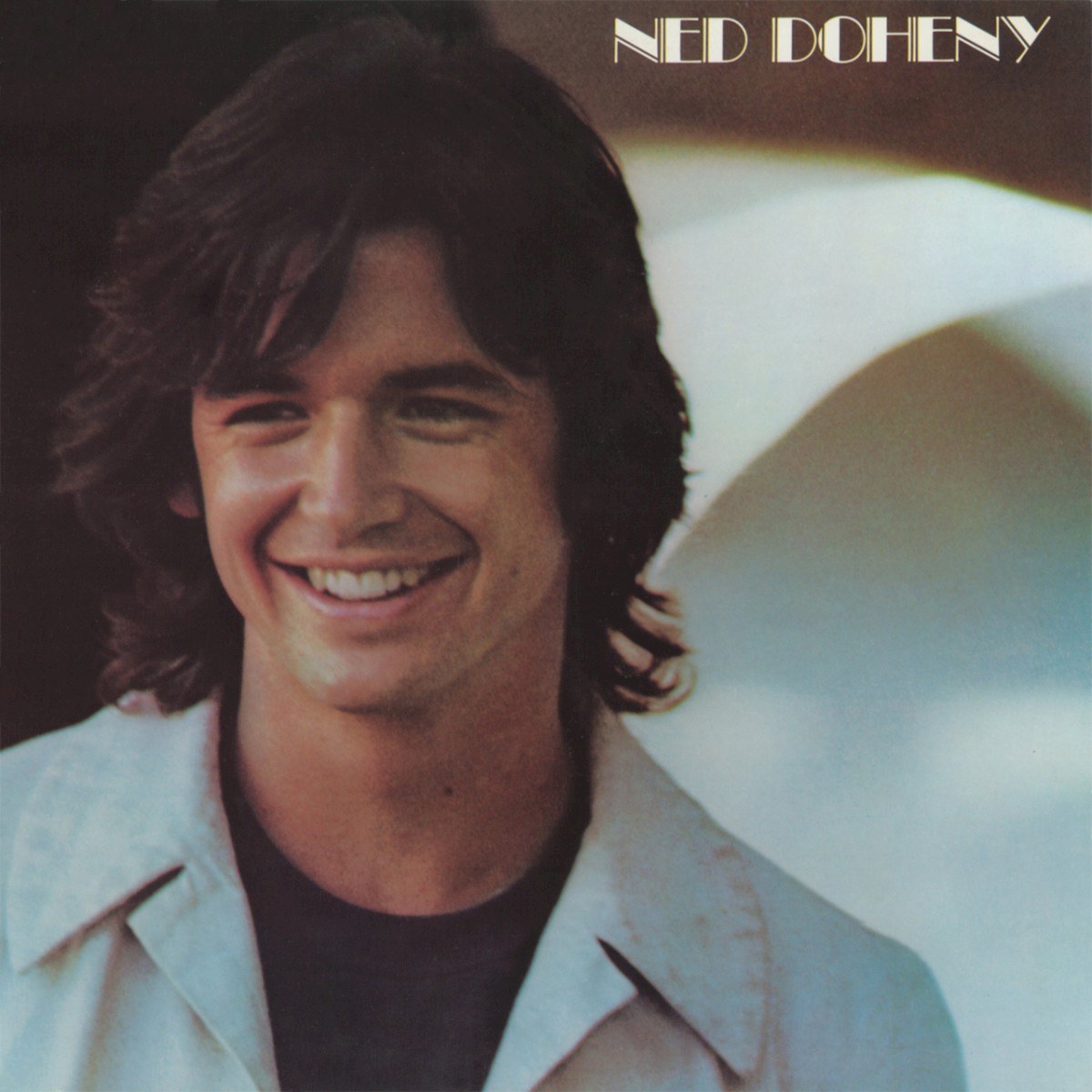
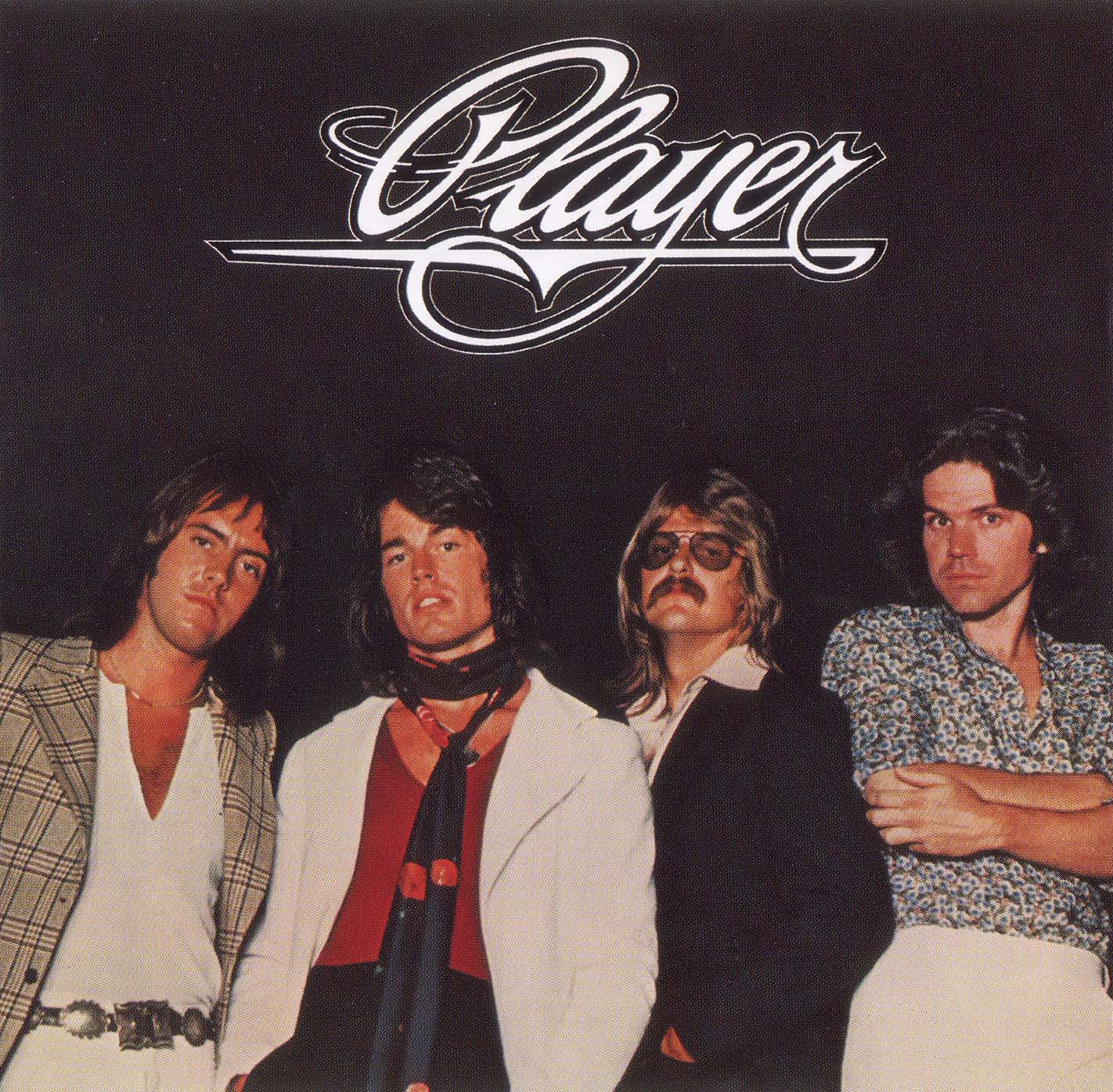
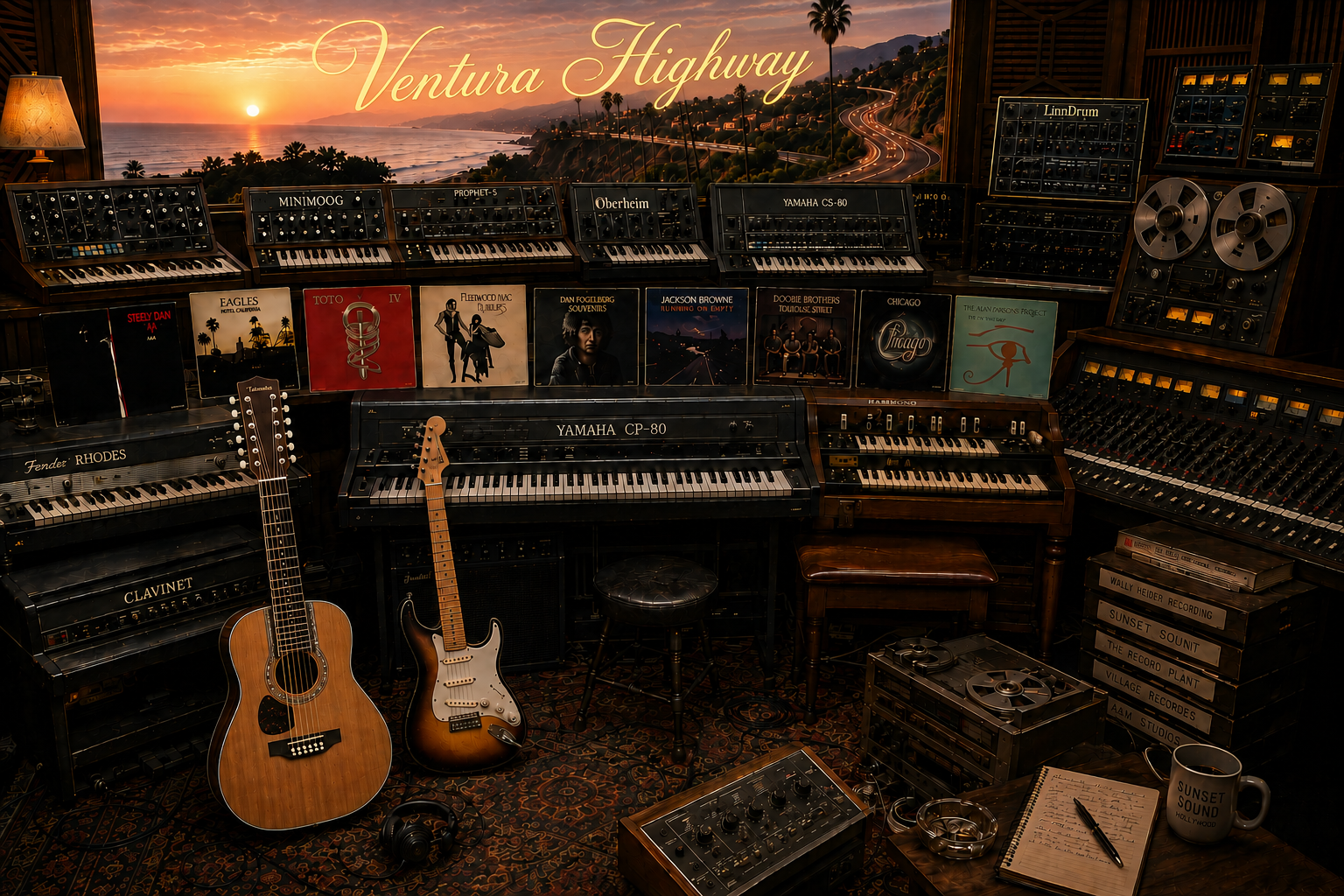
My soul, my very being, is deeply rooted in the 1970s, early 1980s. Music — especially West Coast Music (Toto, Ambrosia, Steely Dan ...)(and beyond), sometimes called Yacht Rock, Soft Rock, Rock FM or AOR (Adult Oriented Rock), in fact, the recordings born in California studios between 1970 and 1985 — is the nourishment of my life. More broadly, it is Anglo-American pop and rock as a whole that shaped my musical world, from the progressive rock of Supertramp, Genesis, Pink Floyd, Caravan or The Alan Parsons Project to the sophisticated harmonies of the California sound, without forgetting the flamboyance of glam rock, from Queen to David Bowie, the soft West Coast: the Carpenters, James Taylor, Carole King, Carly Simon, America, Bread, Chicago, Michael Franks, Daryl Hall & John Oates, Player … and so many others. I also listen to a lot of Anglo-Saxon bands from the 1980s, especially that scene somewhere between new wave and sophisti-pop: The Style Council, Everything But The Girl, Tears for Fears, and many others. Anglo-American music has been part of my life since I was three years old, long before I could even speak. Some people were weaned on Chantal Goya; I was weaned on the Beatles and the Anglo-American hits of the time. To me, music is born first and foremost from a gesture: fingers on keys, a hand on strings, a breath, a rhythm carried by the body. Sounds can be assembled, beats programmed, and endlessly reproduced by a machine; but anyone who has never brought an instrument to life cannot, in my eyes, truly call themselves a musician. They may create sound. Music begins elsewhere, and it is also learned through tonal harmony, modes, modulation, and those subtle relationships between tension and resolution that give sounds their colour, movement and emotional power. A very special tribute to Roger Hodgson, Michael Franks, David Gates and Karen Carpenter, whose voices are, to me, among the most sensual in the world: Roger Hodgson’s or Michael Franks's, fragile, luminous and instantly recognisable, capable of carrying melancholy, tenderness and sensuality in the same breath; Karen Carpenter’s, warm, velvety, intimate and deeply moving, with a softness that seems to touch the soul directly. Thanks to Burt Bacharach & Hal David, Paul Simon & Arthur Garfunkel and so many artists in my heart forever .... Those sounds, those harmonies, those voices and instruments are more than music to me. They are memories of a time, a light, a way of dreaming and feeling that never left me. Somewhere inside me, it is still the 1970s, years of carefree living, intellectual and moral freedom, nonconformism and joie de vivre, at a time when moral conservatism and political correctness had not yet made their comeback. Without this music, I would have died a long time ago. It has carried me through the years, through joy and sorrow, through love and loneliness. It has been the soundtrack of my life, a refuge when the world felt too harsh, and it is still what keeps a part of me alive. Many people listen to music when they're young, just as another form of entertainment, half-listening to it in the background, and once they're past twenty, it is no longer really part of their lives. Music has carried me for as long as I can remember. I don't just listen to it — I live it, I sing it. It's visceral. I simply cannot live without it. Making music is part of me too — another language for everything I feel and cannot always put into words. Just as photography can capture a fleeting moment or a particular light, music allows me to give a voice to emotions. But music is only one part of the world I need around me. Art in all its forms, photography, painting, perfumes, wine — their colours, textures, scents, flavours and emotions — are all essential to me. They are not mere pleasures or interests; they are different ways of experiencing beauty, of holding on to a moment, and perhaps, in some way, of making life more intense. They are outlets when tears struggle to come...
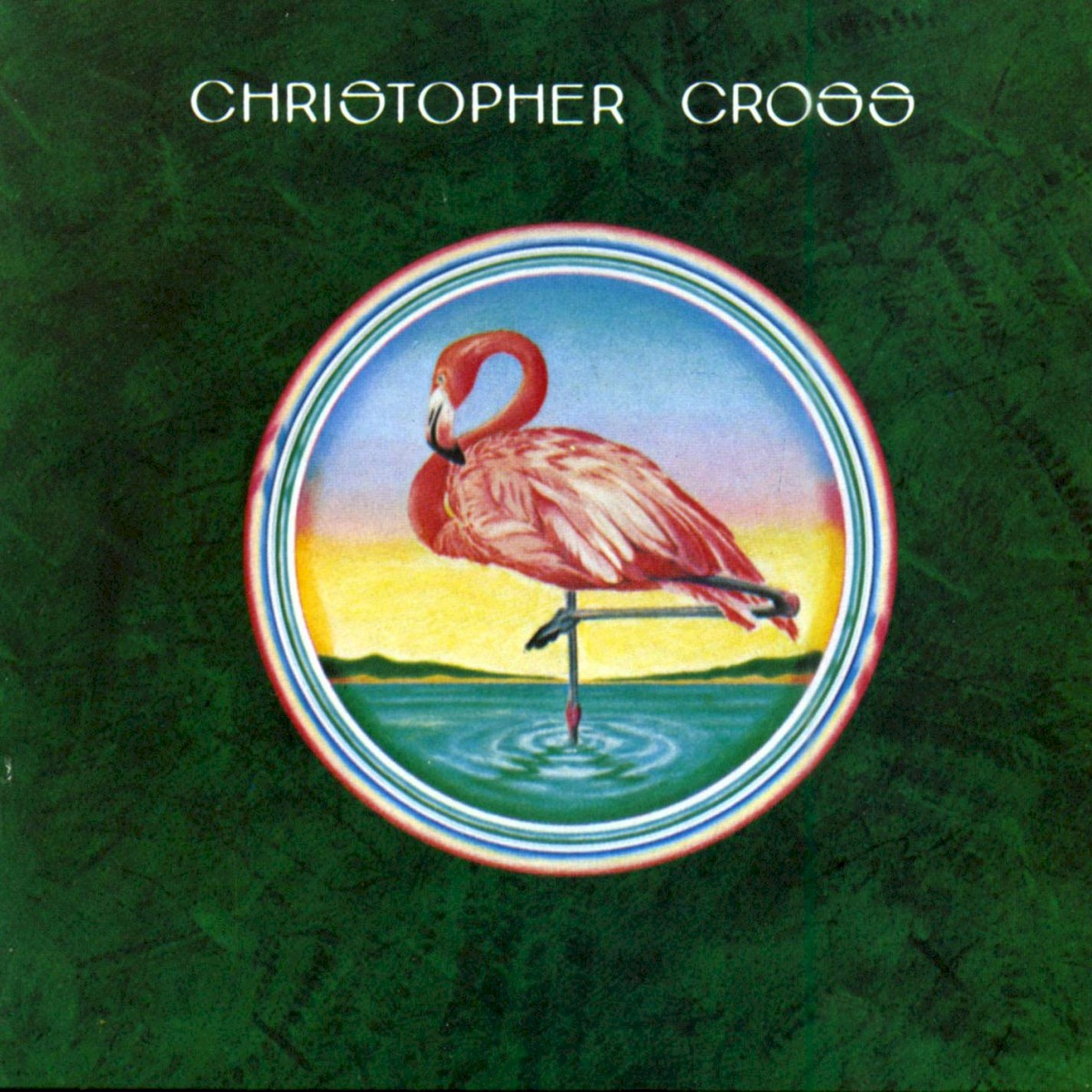
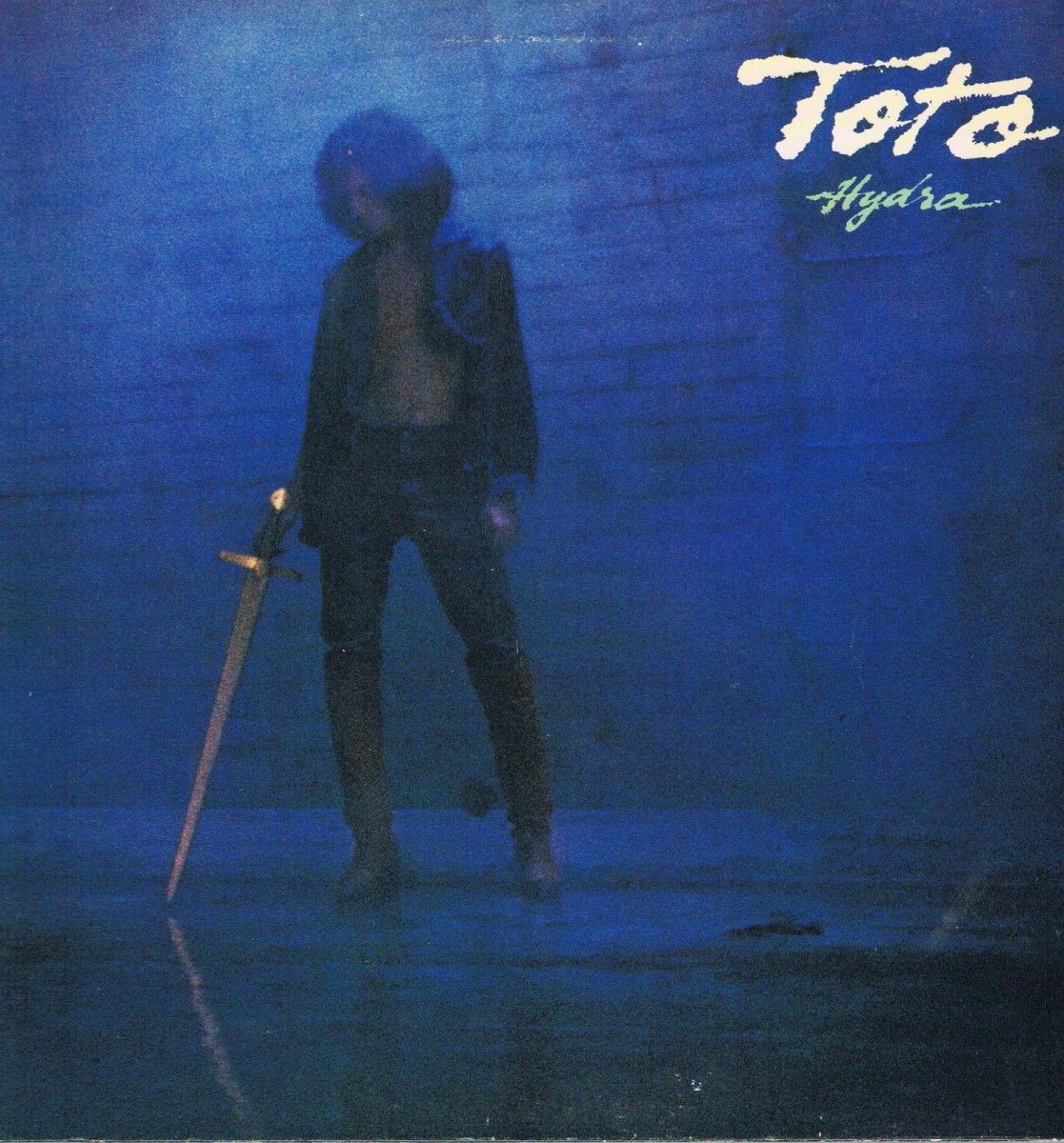
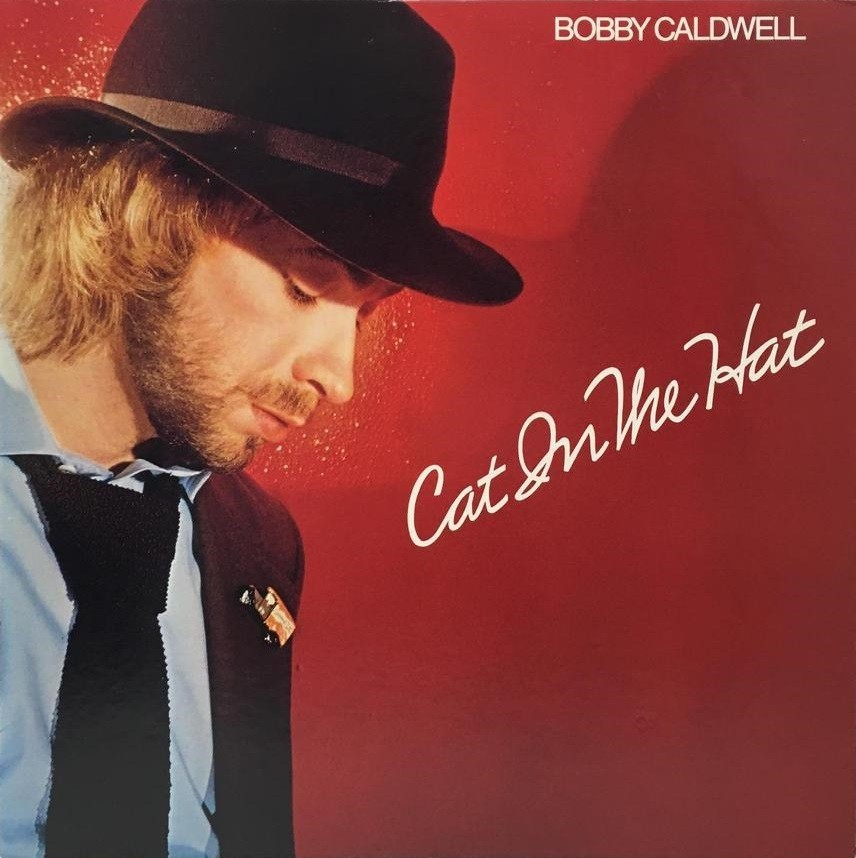
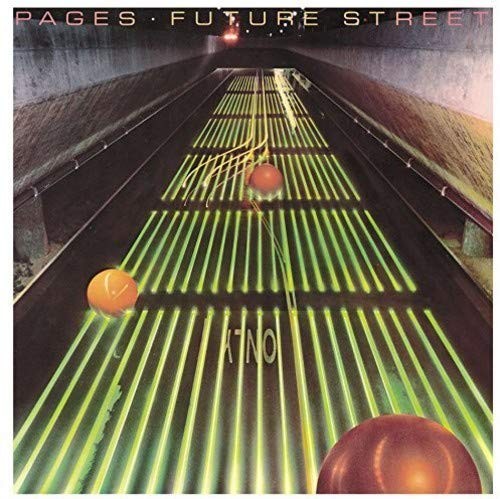
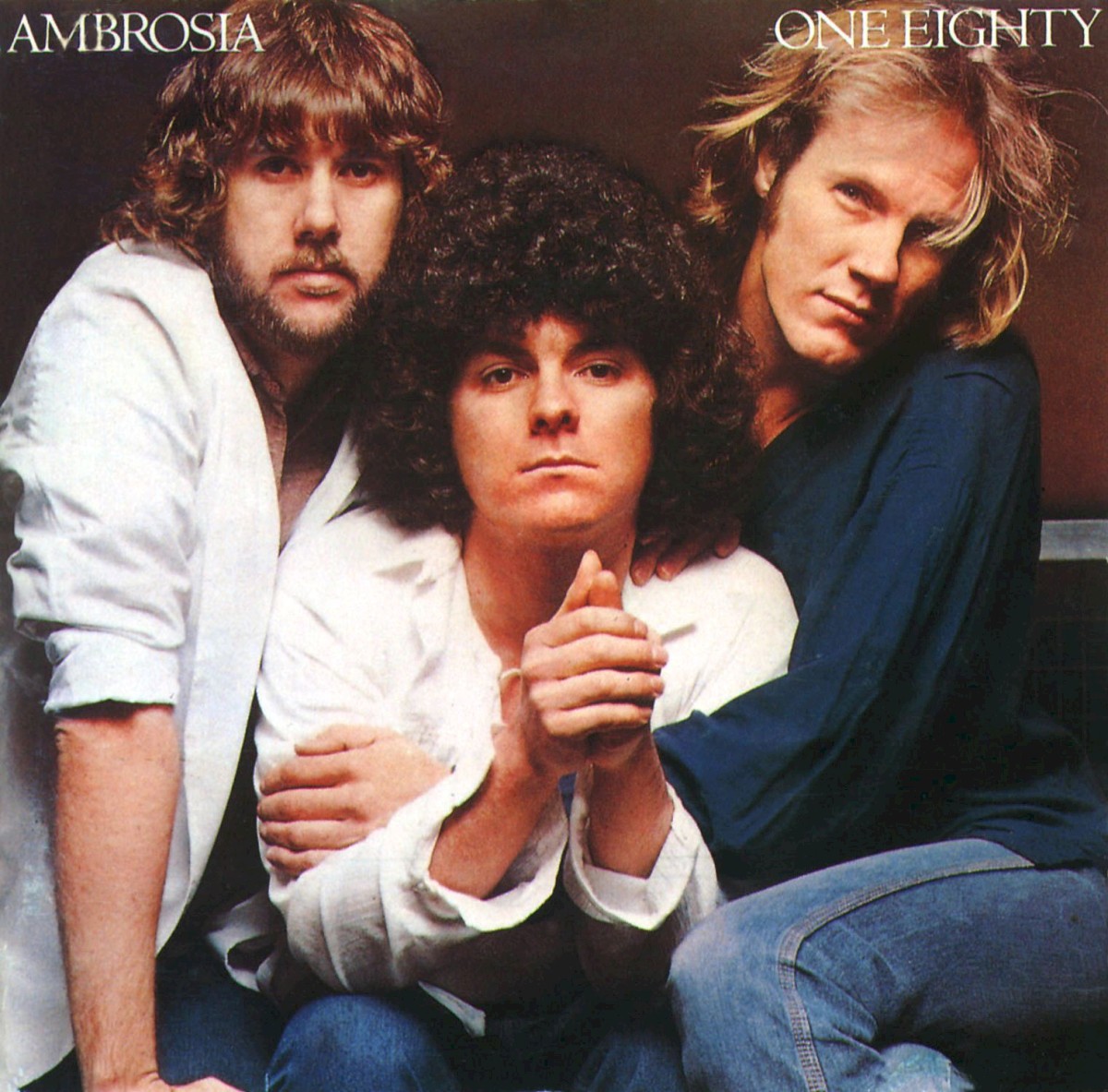
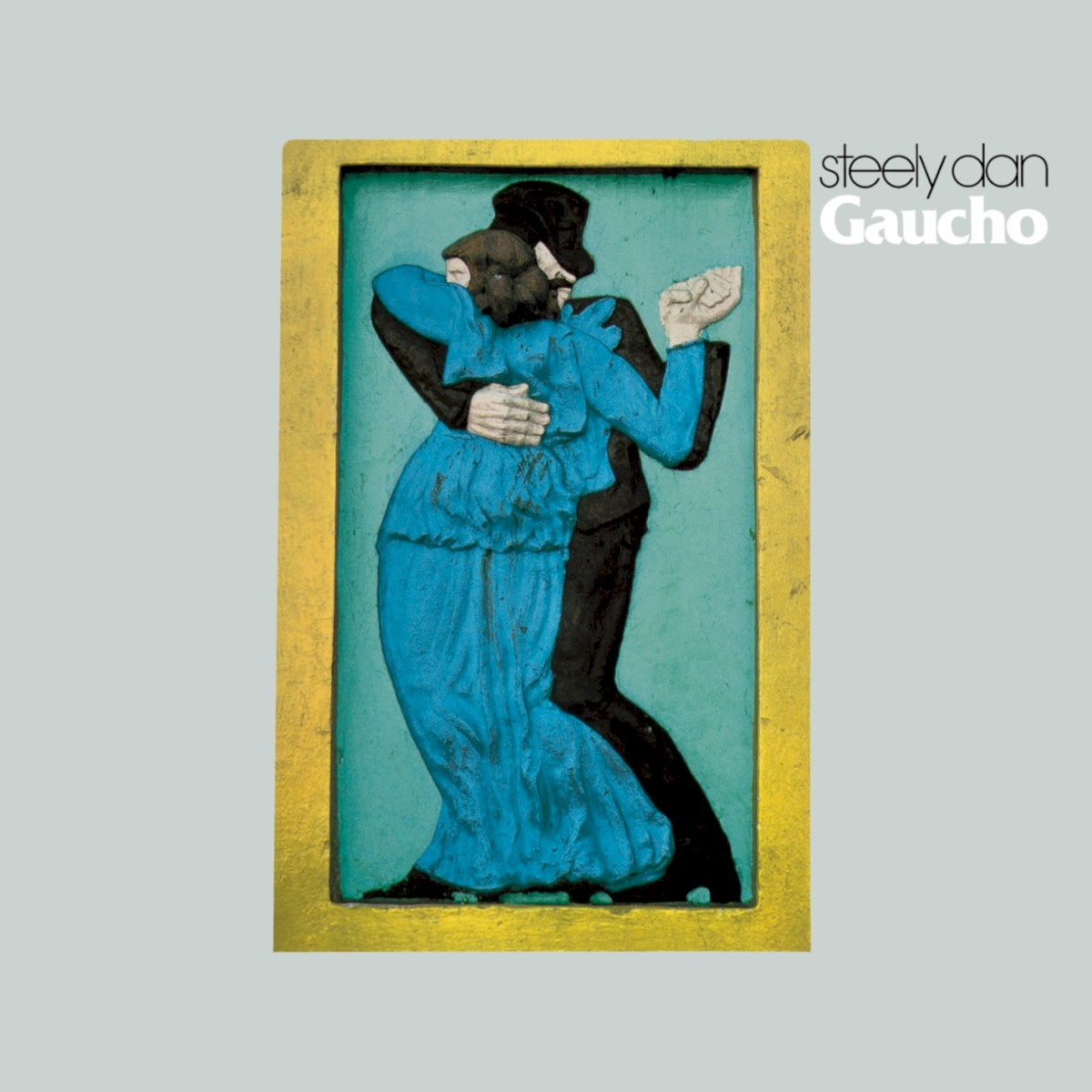
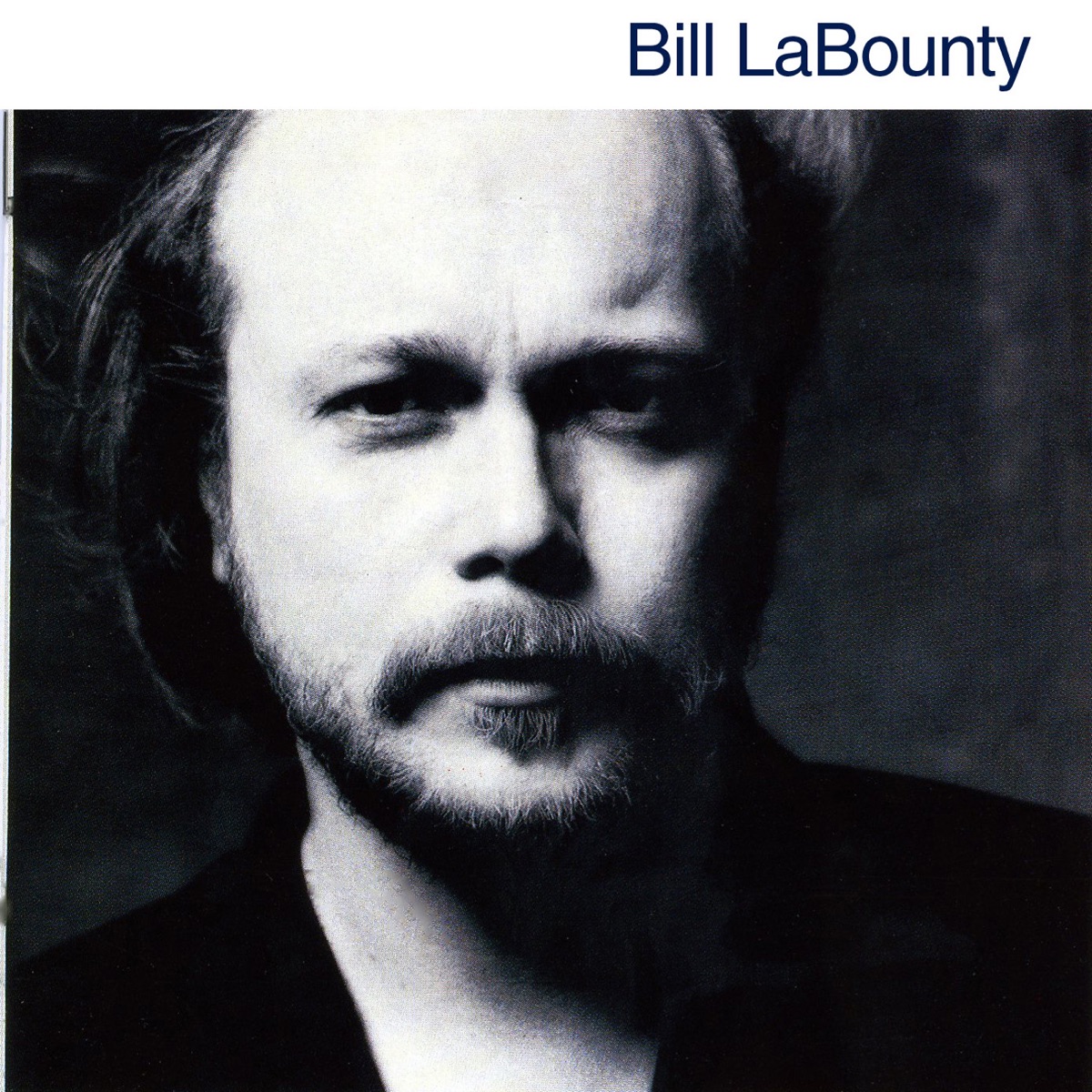
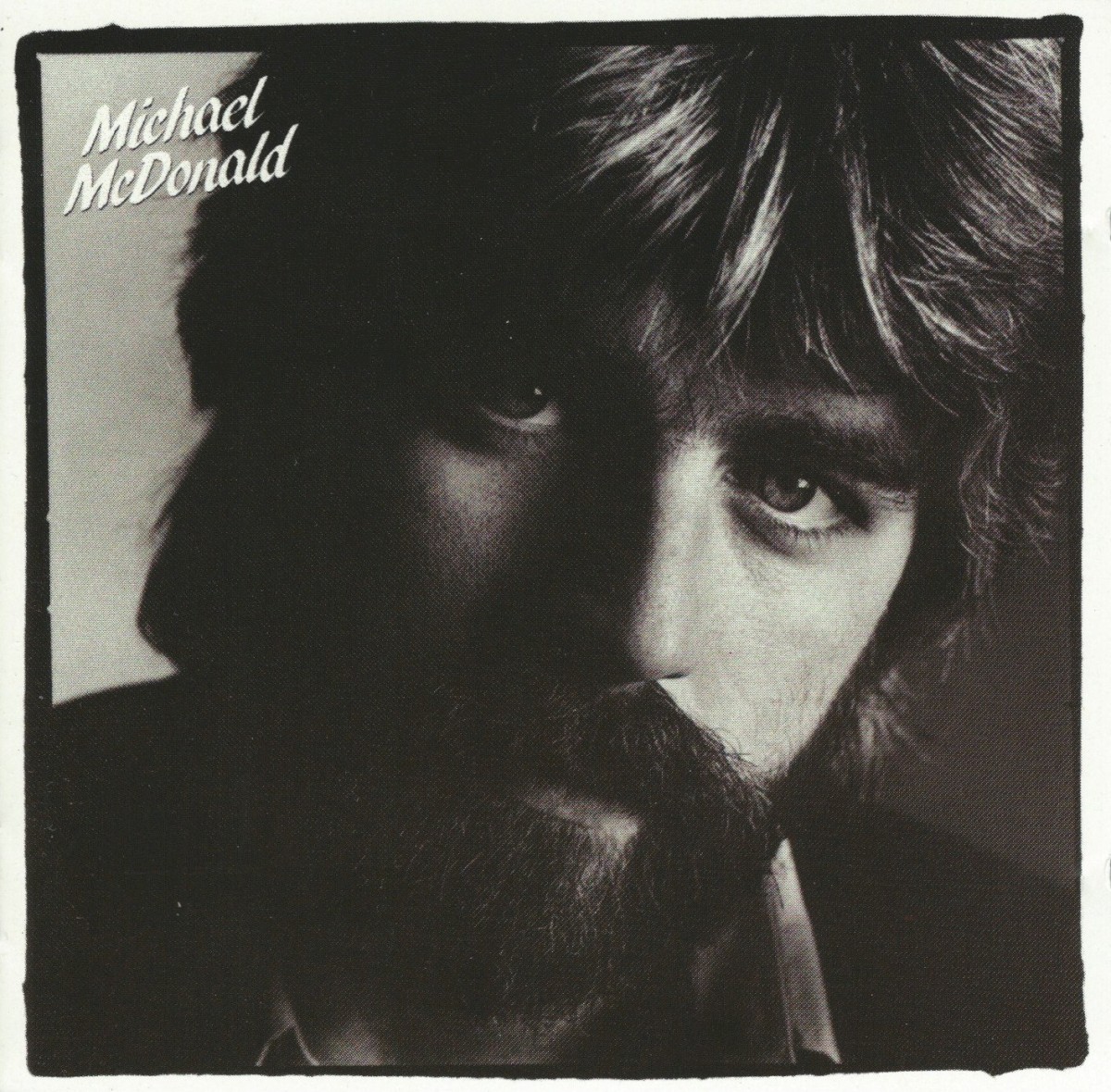
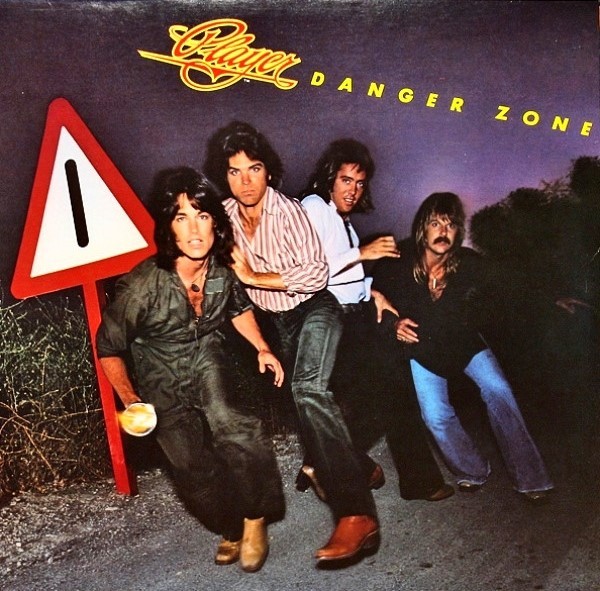
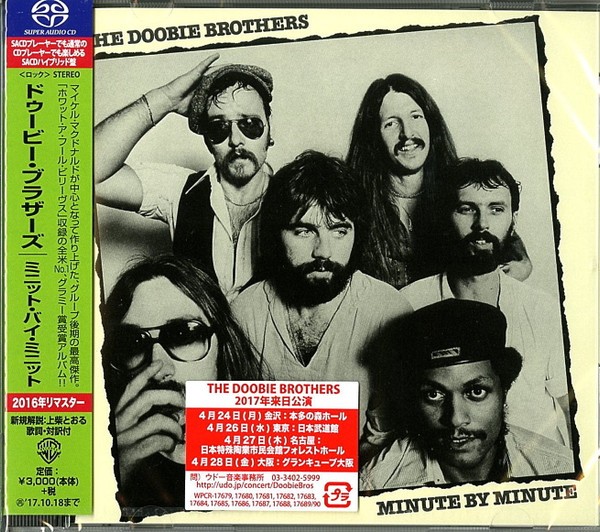
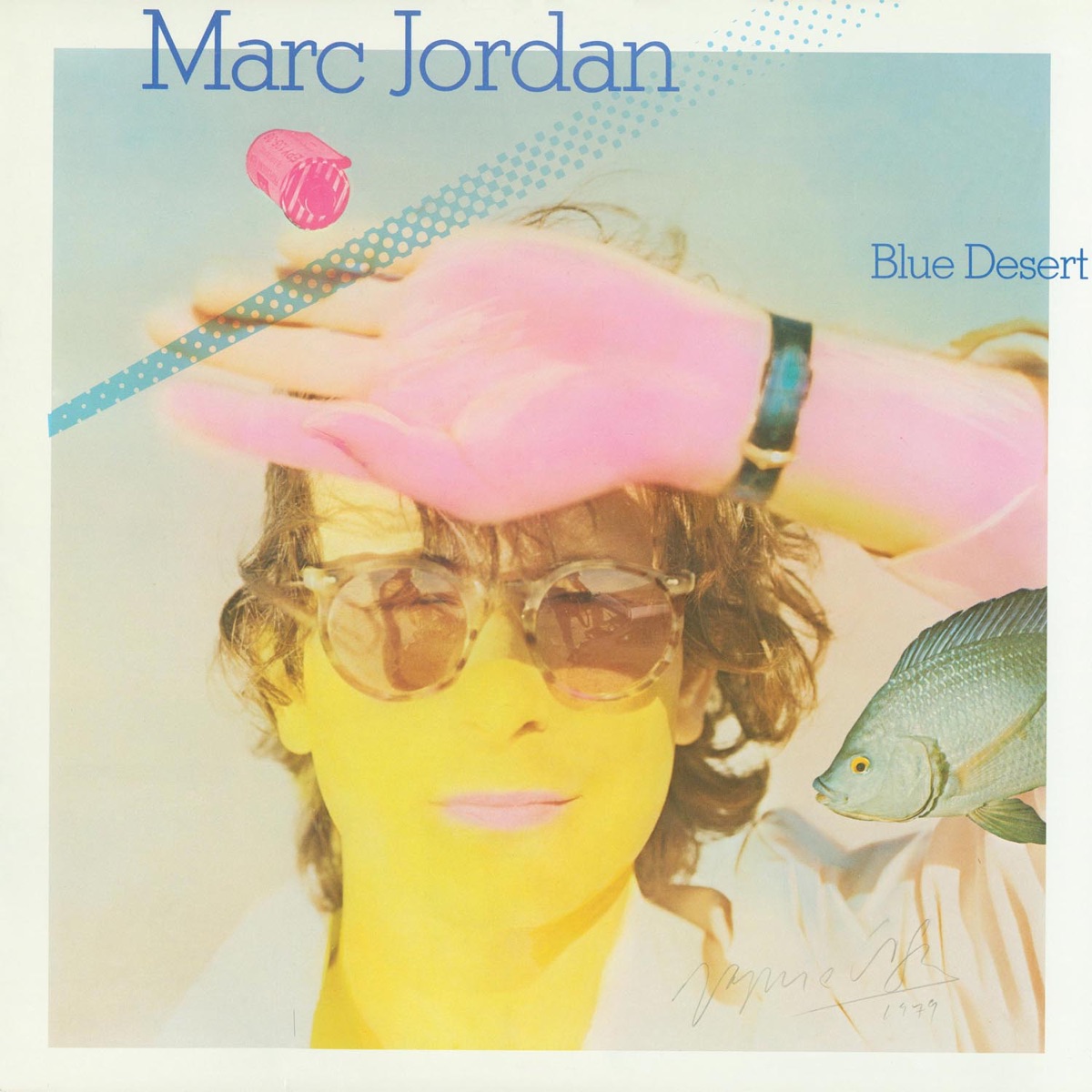
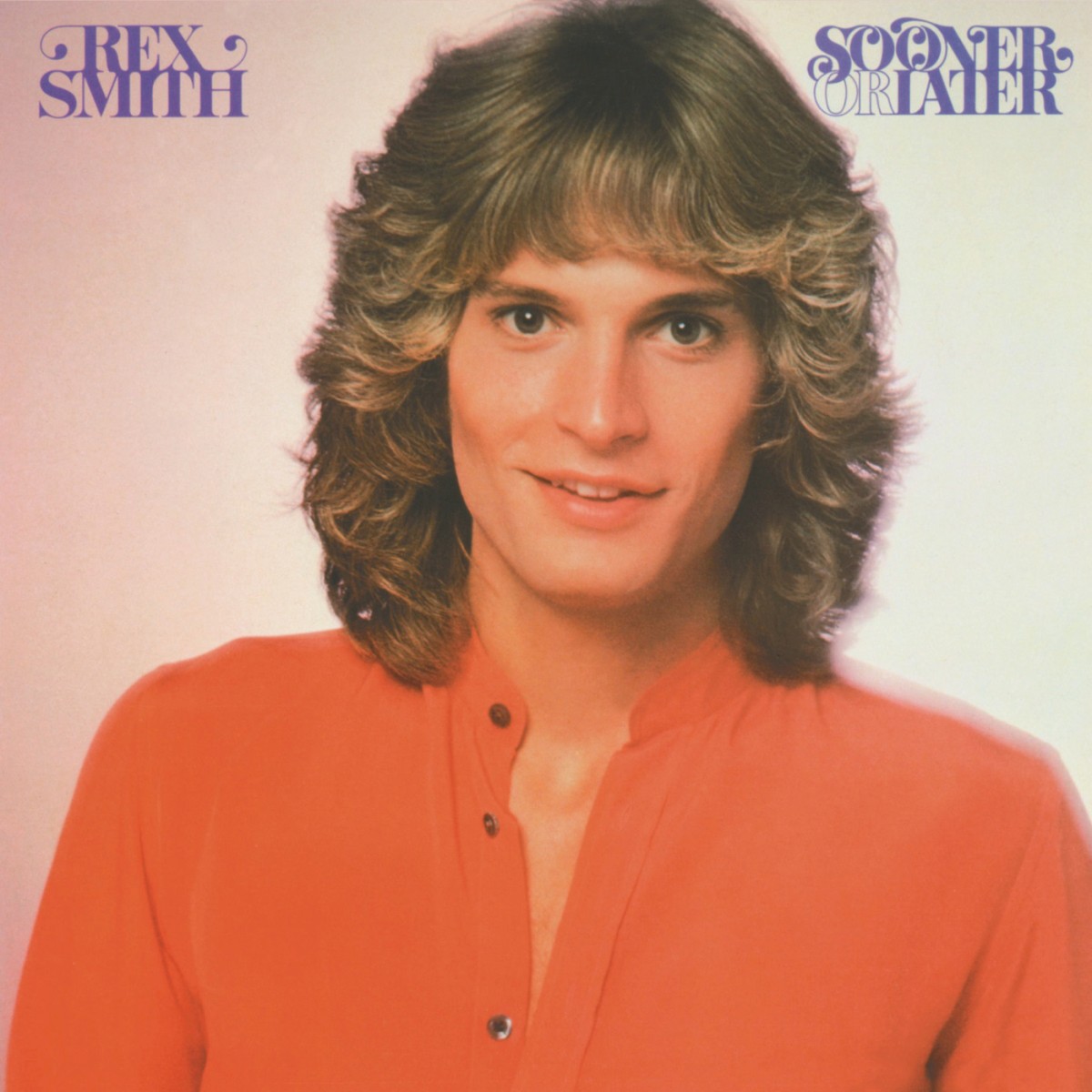
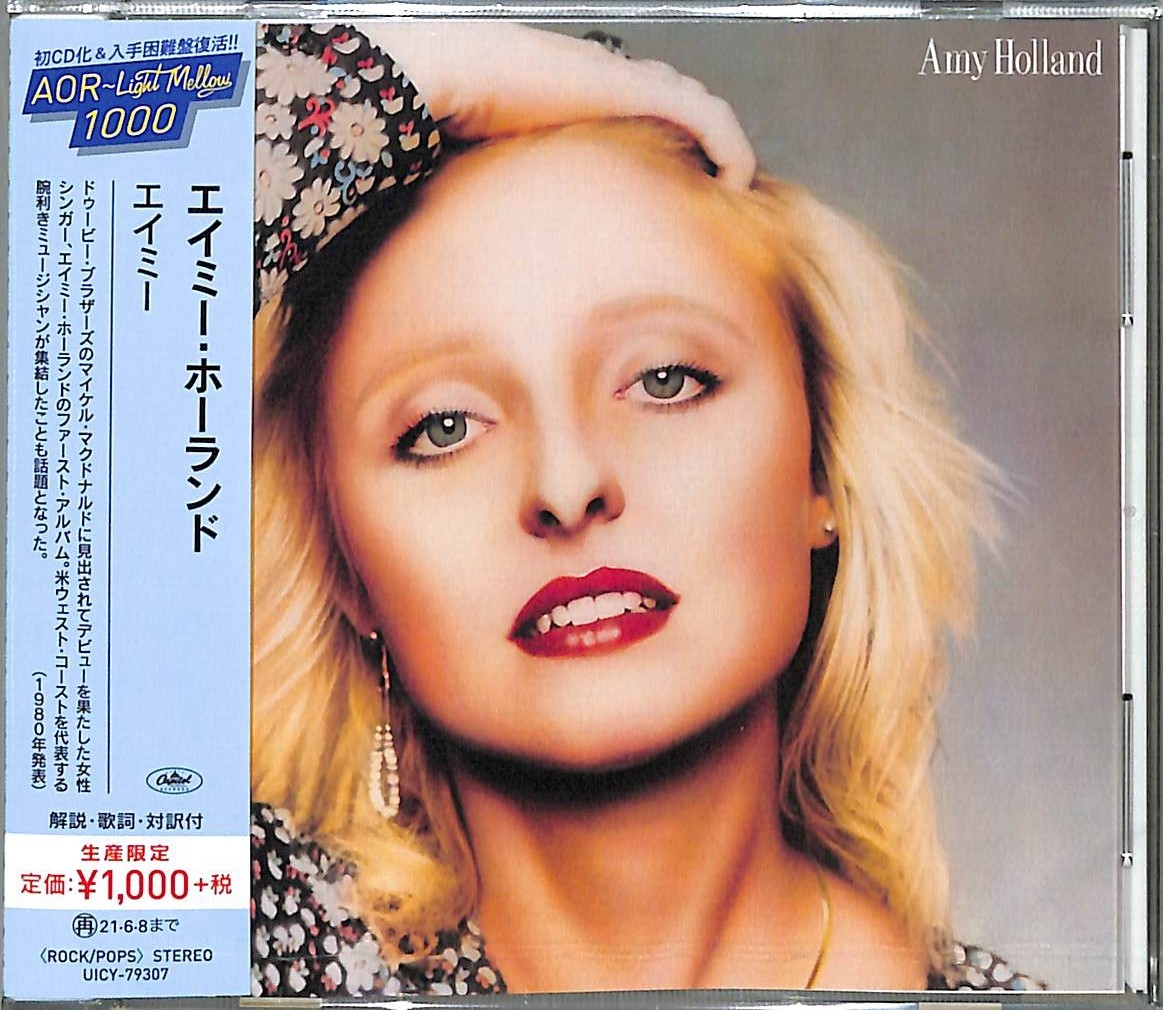
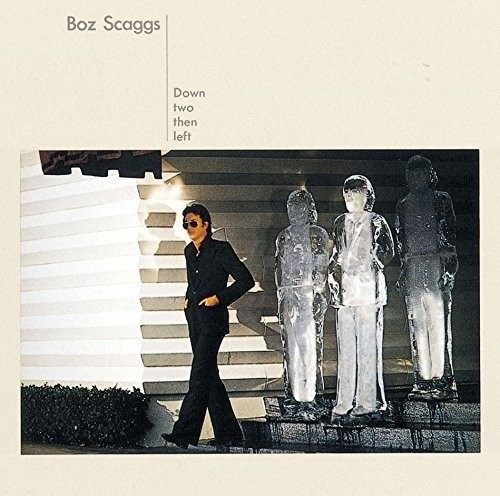
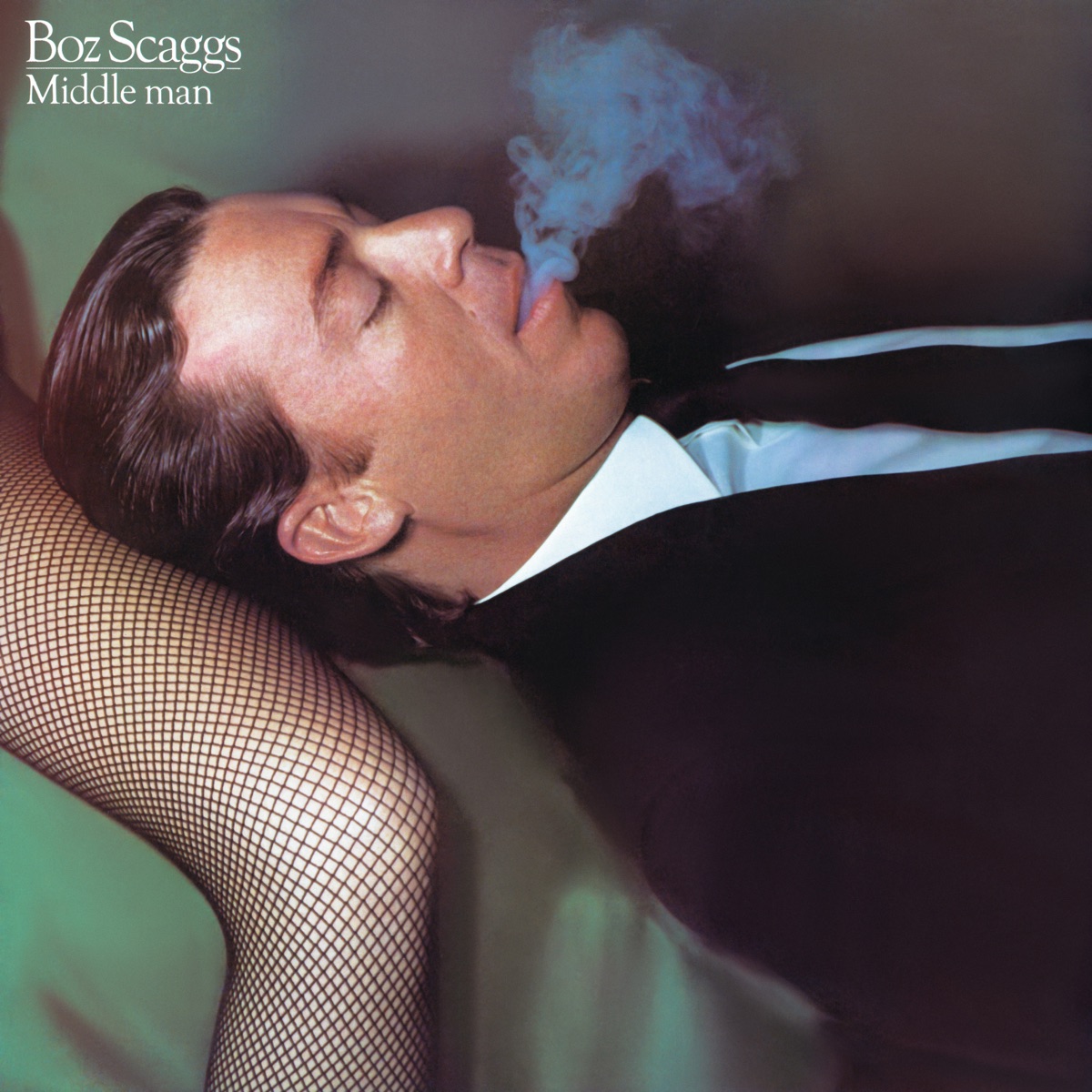
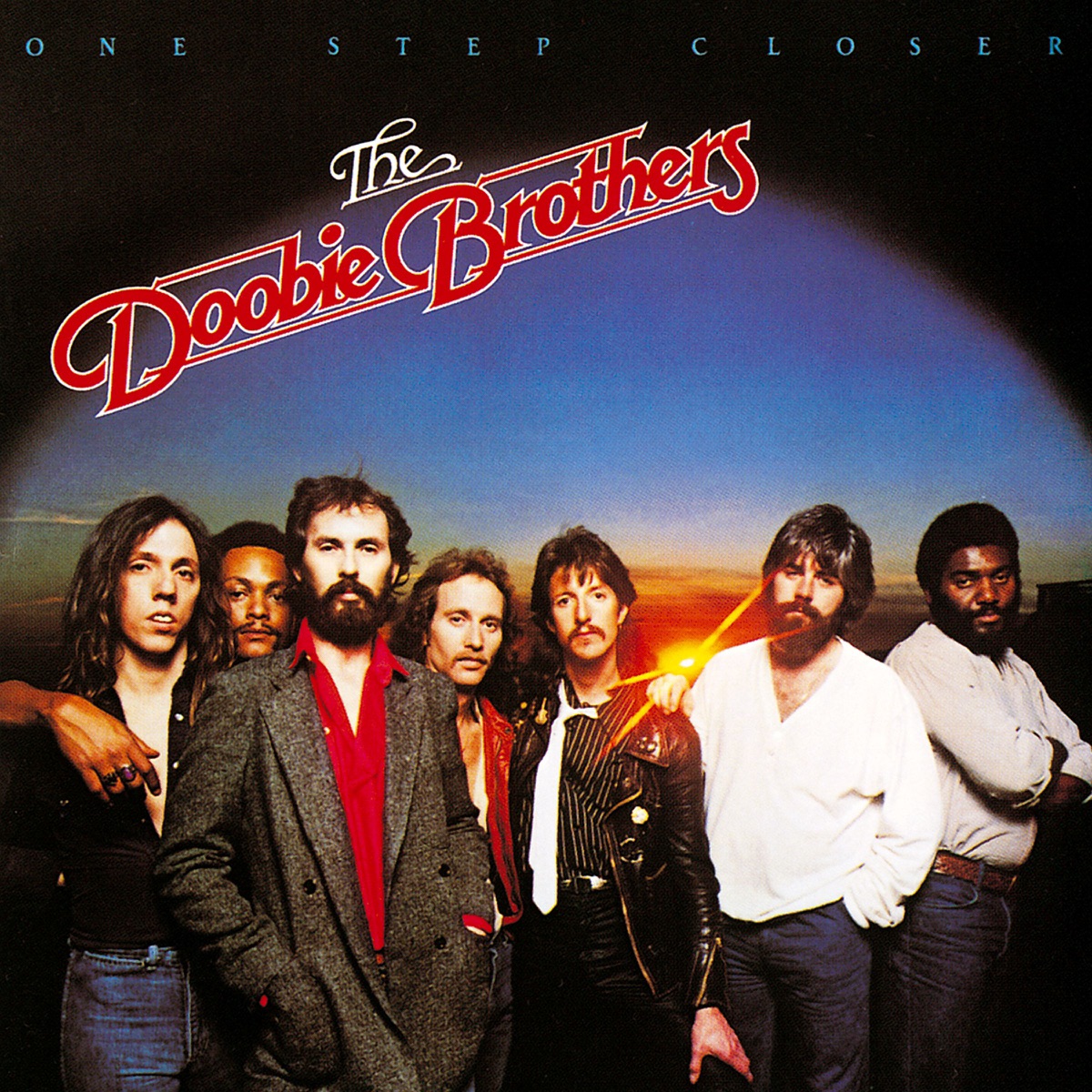
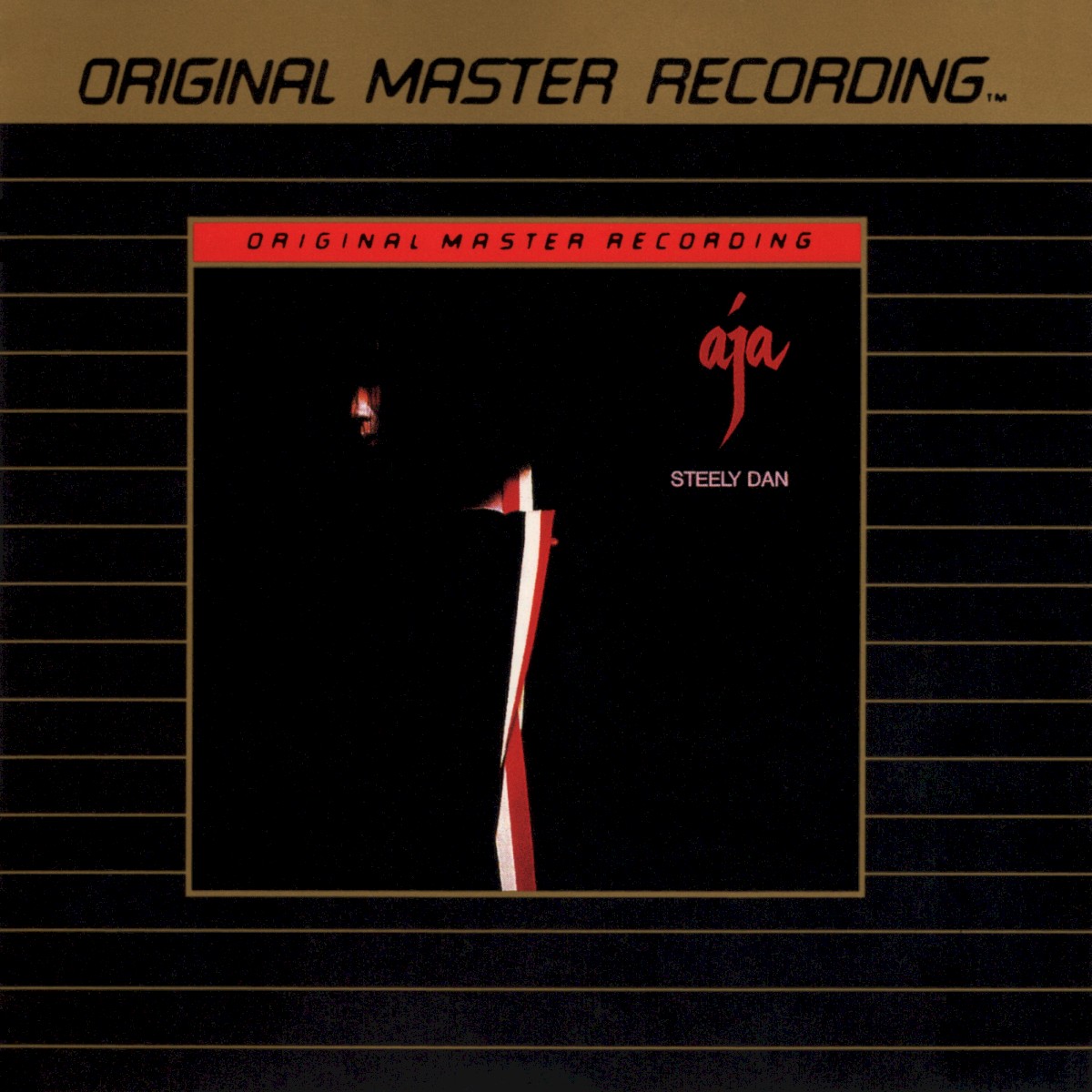
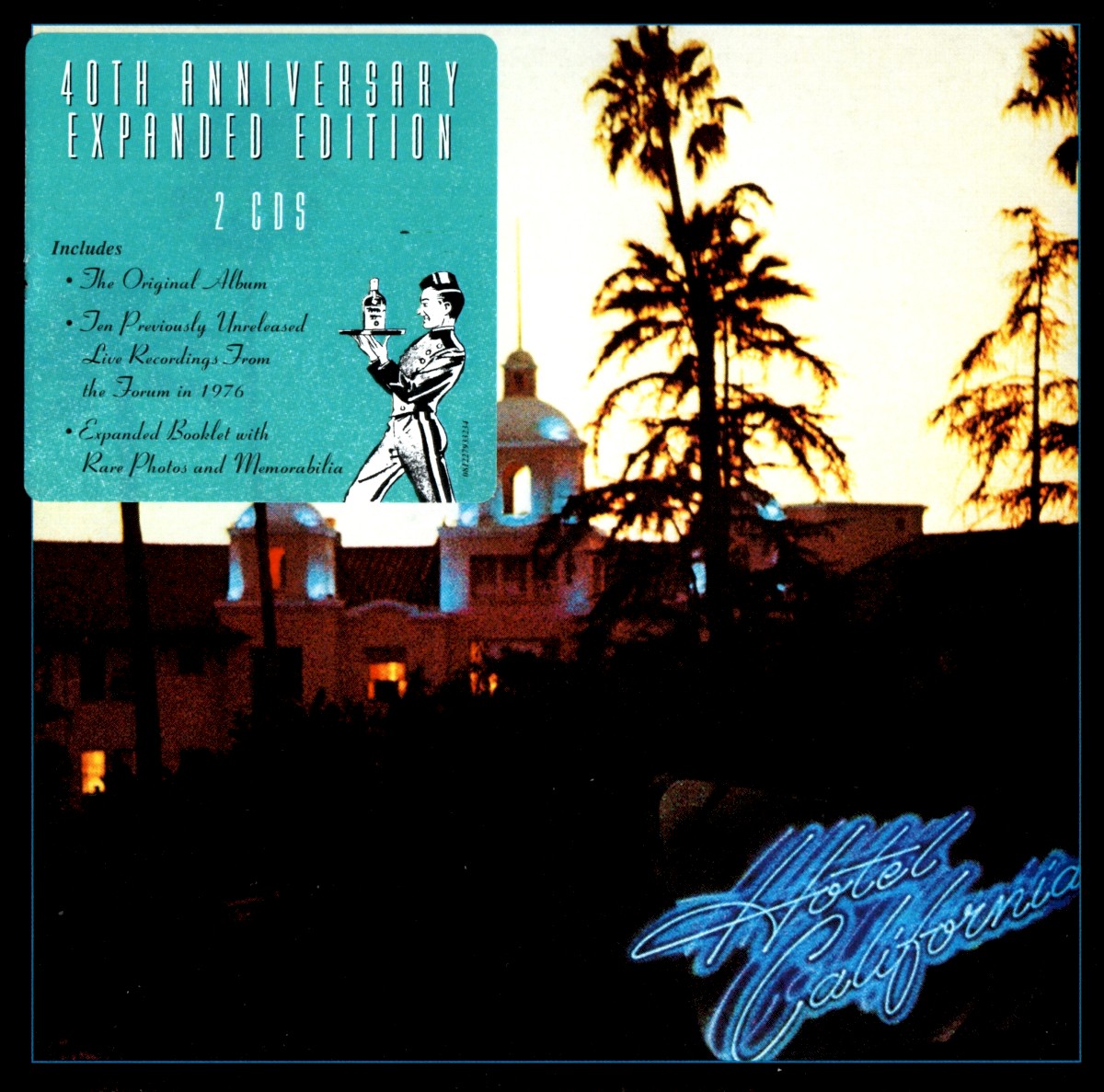
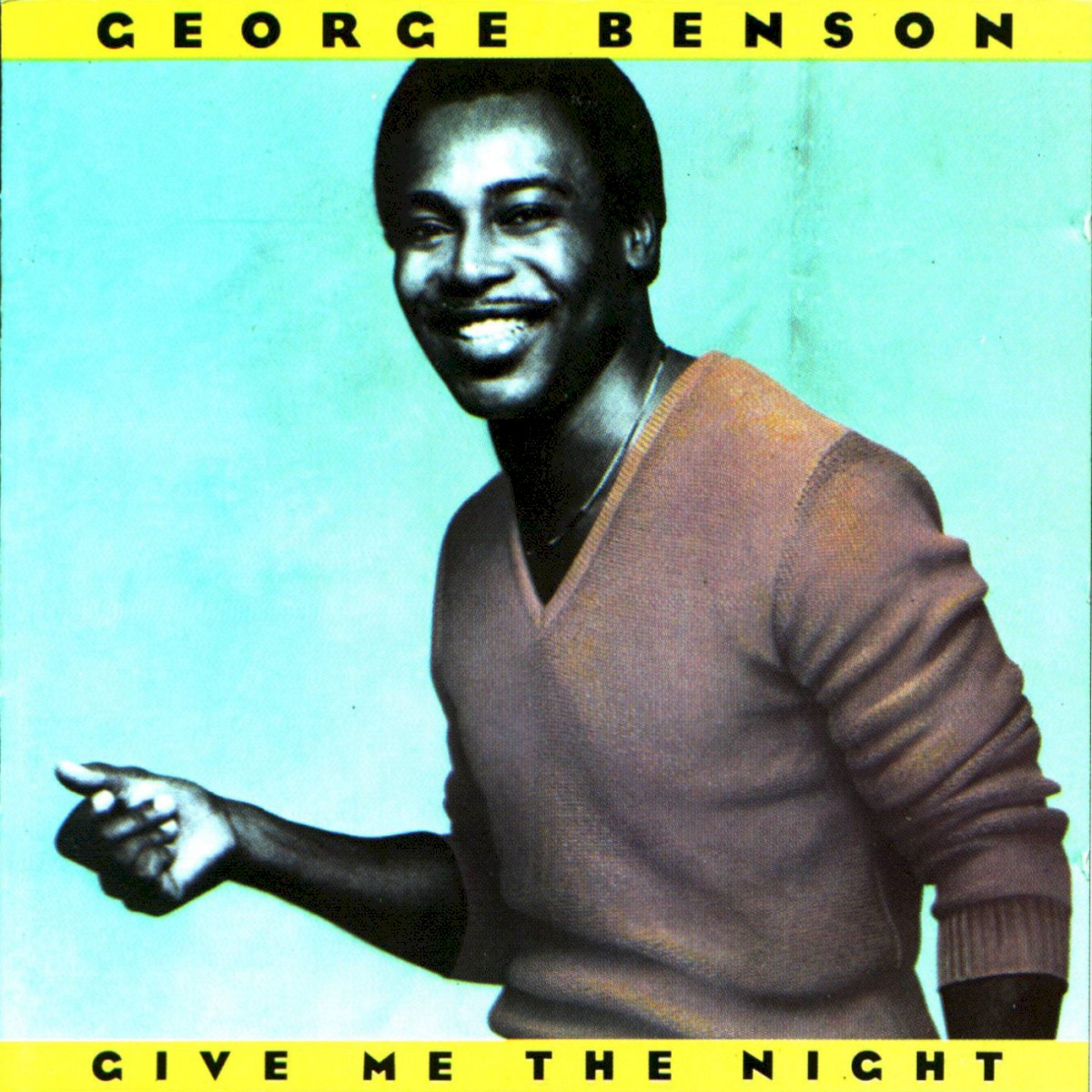
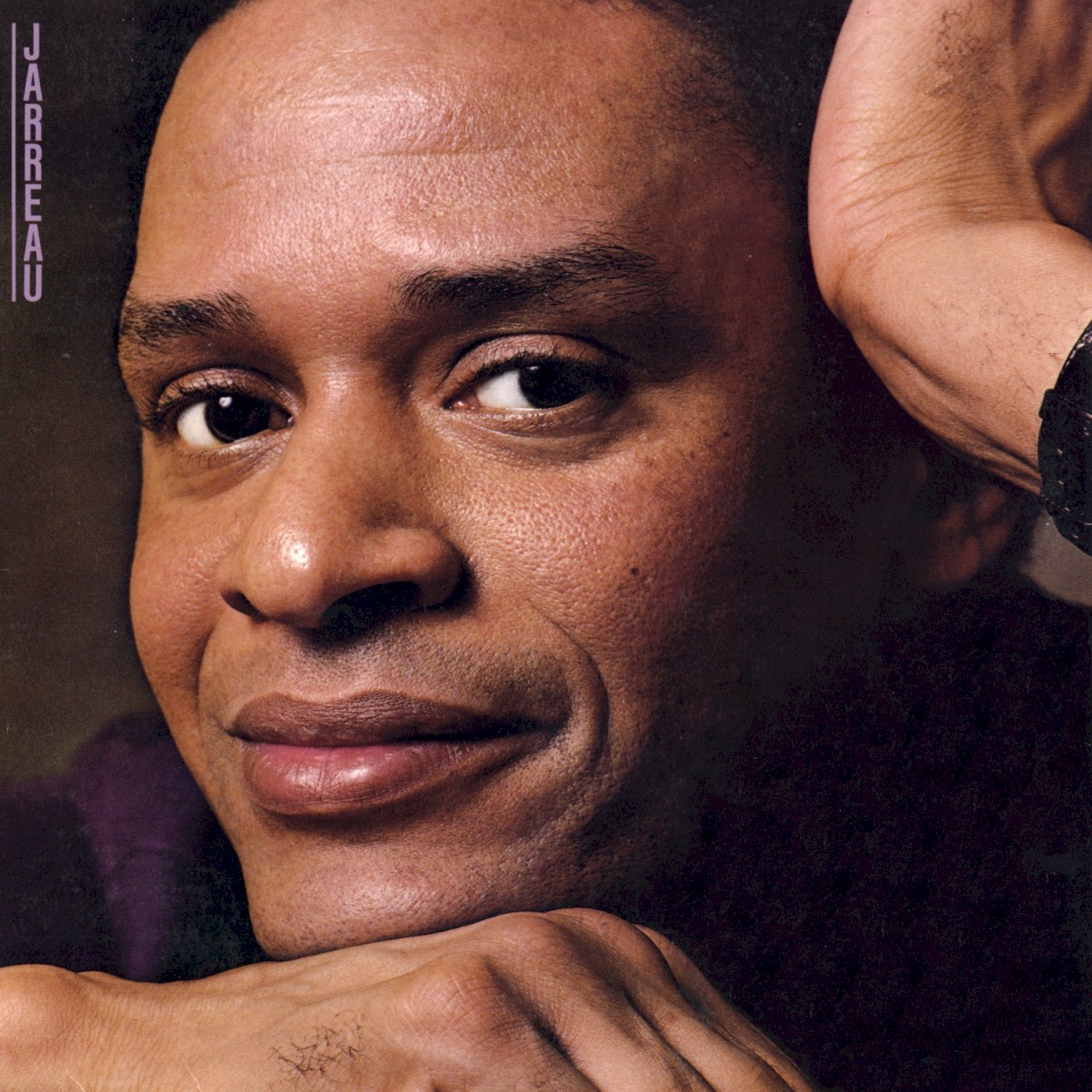
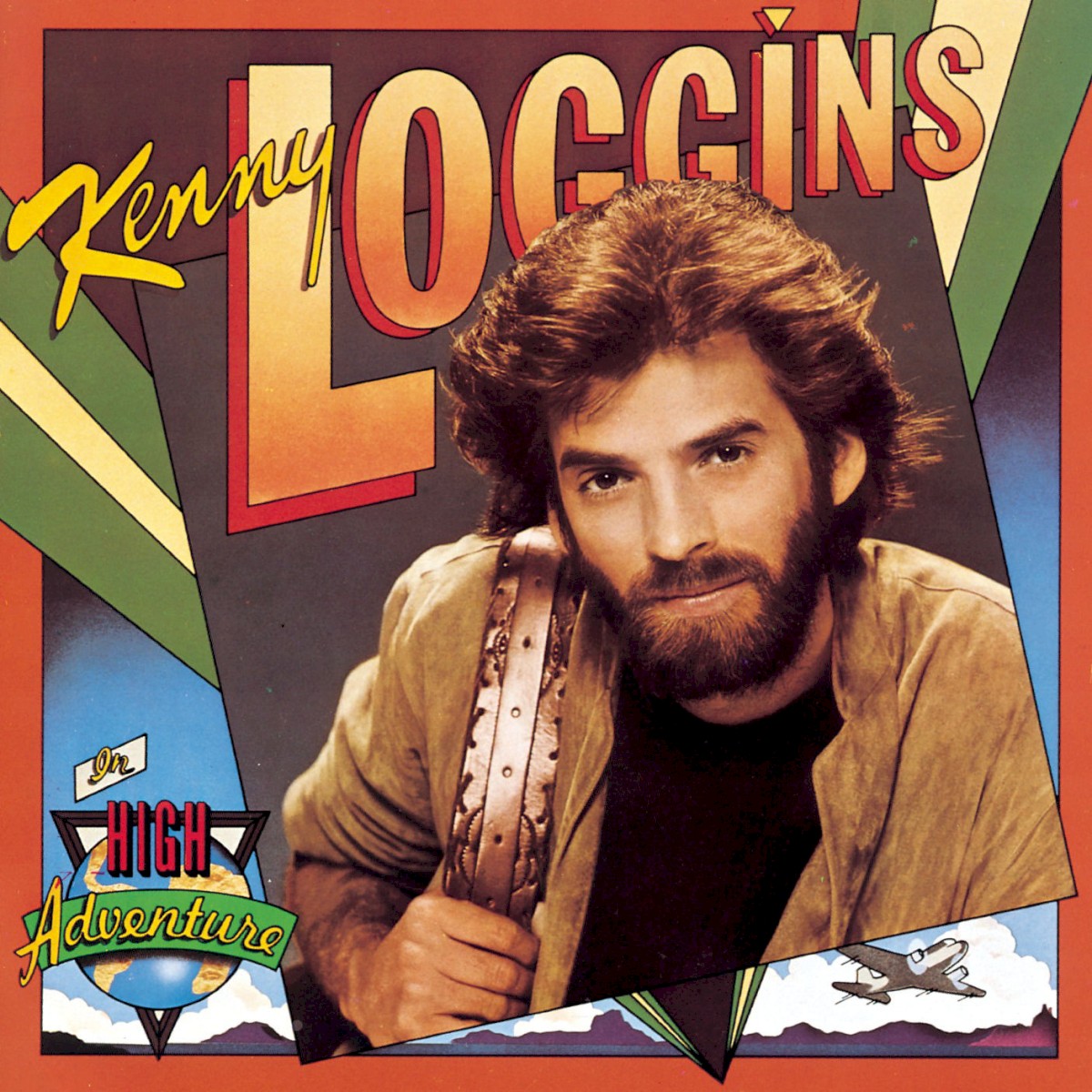
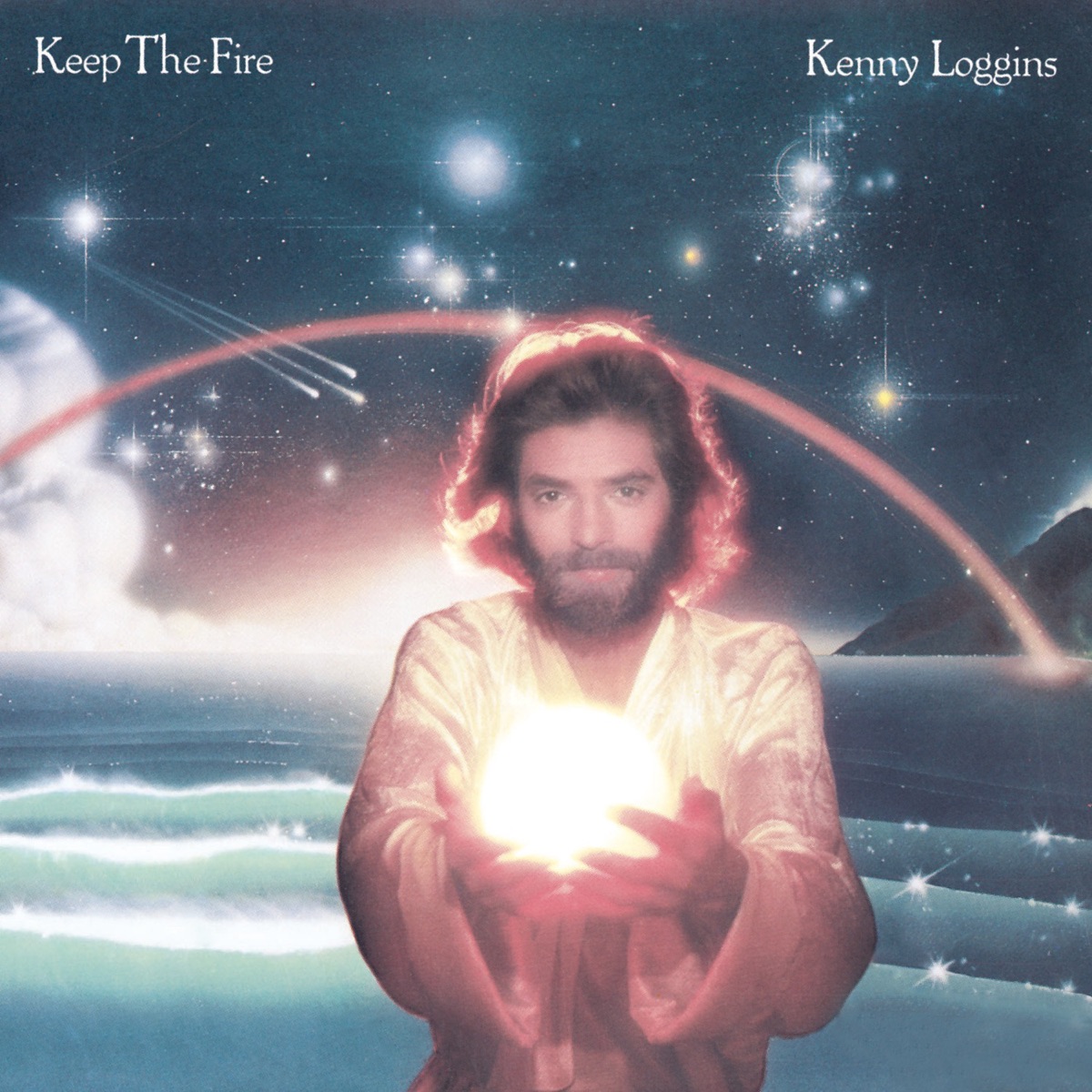
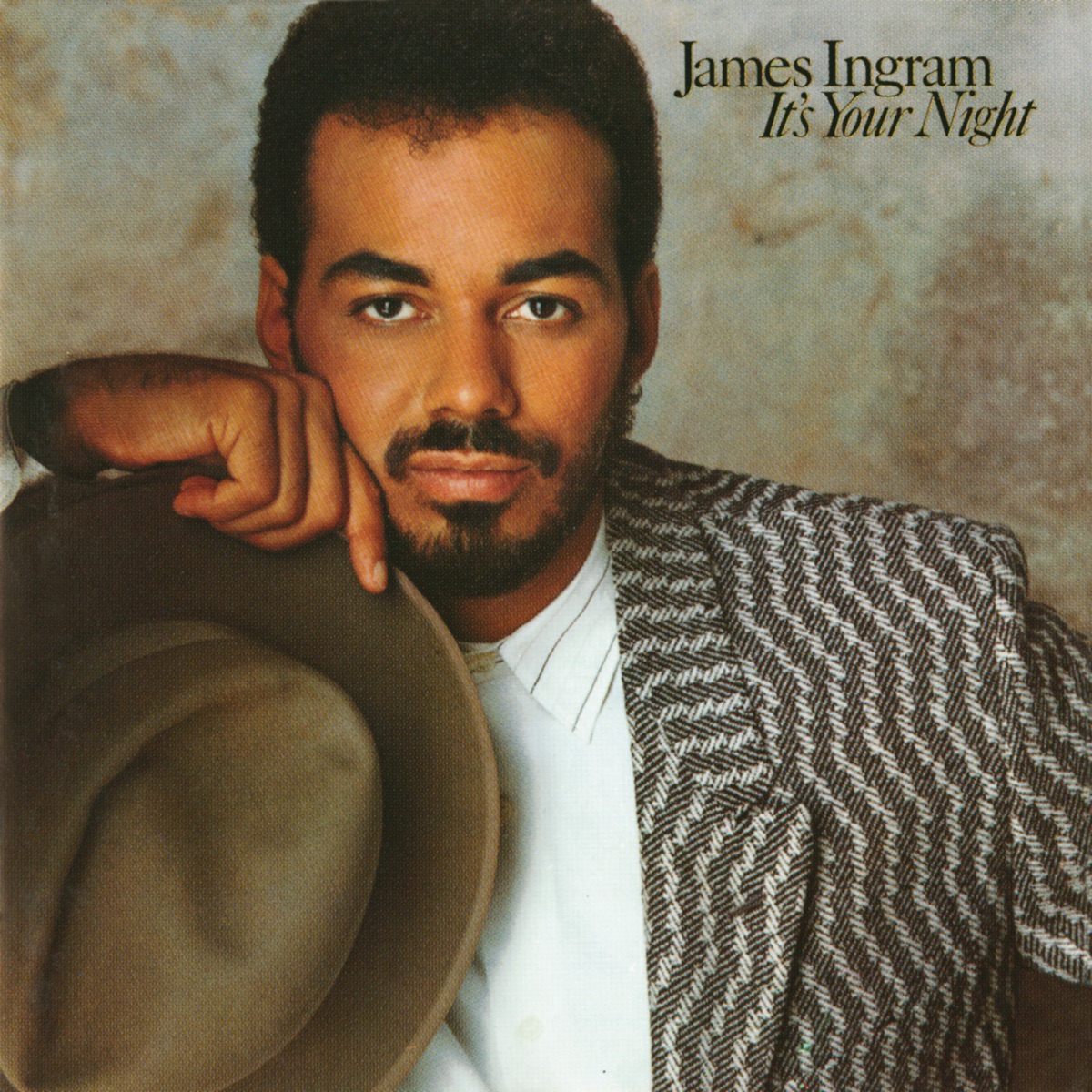
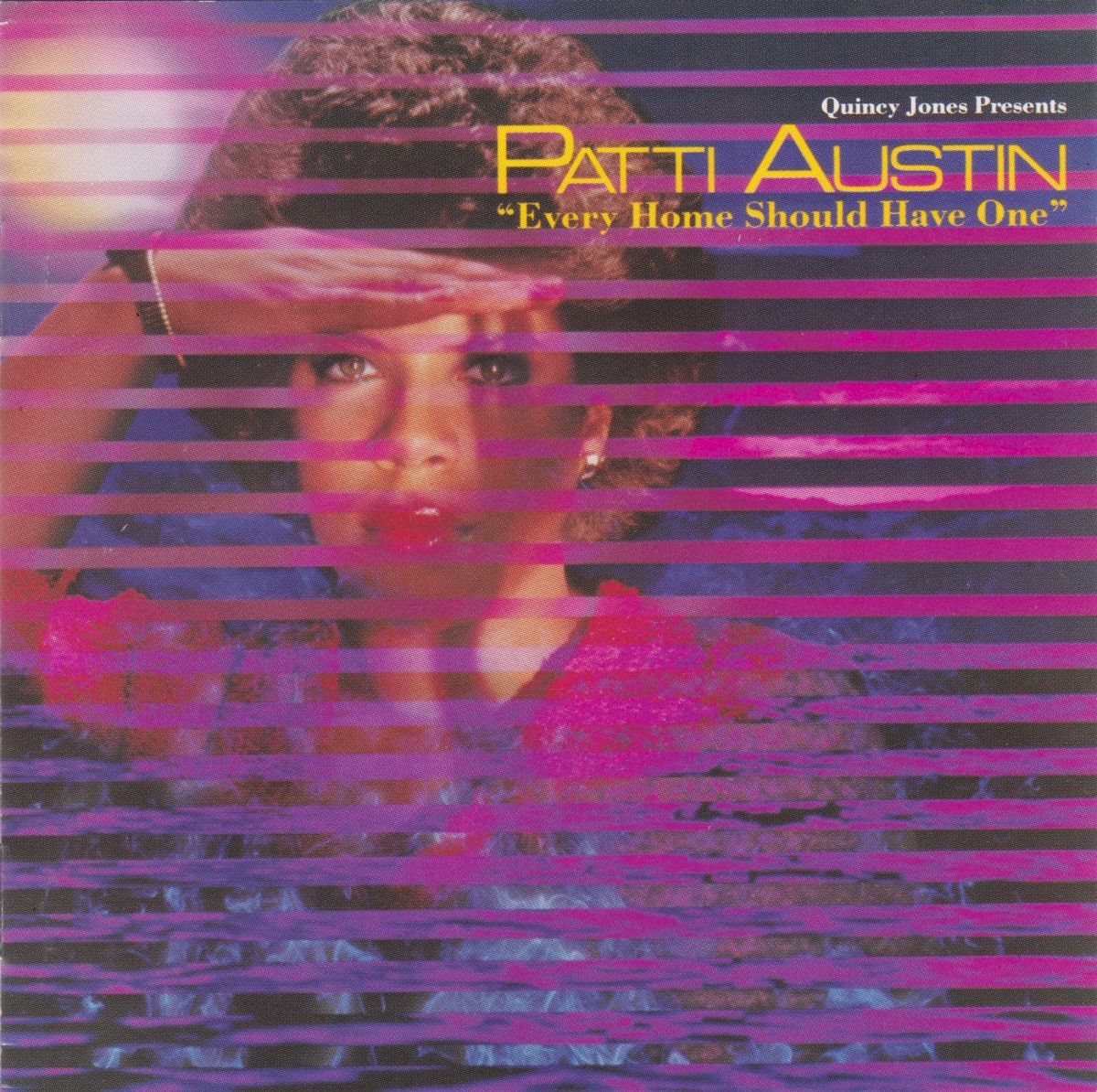
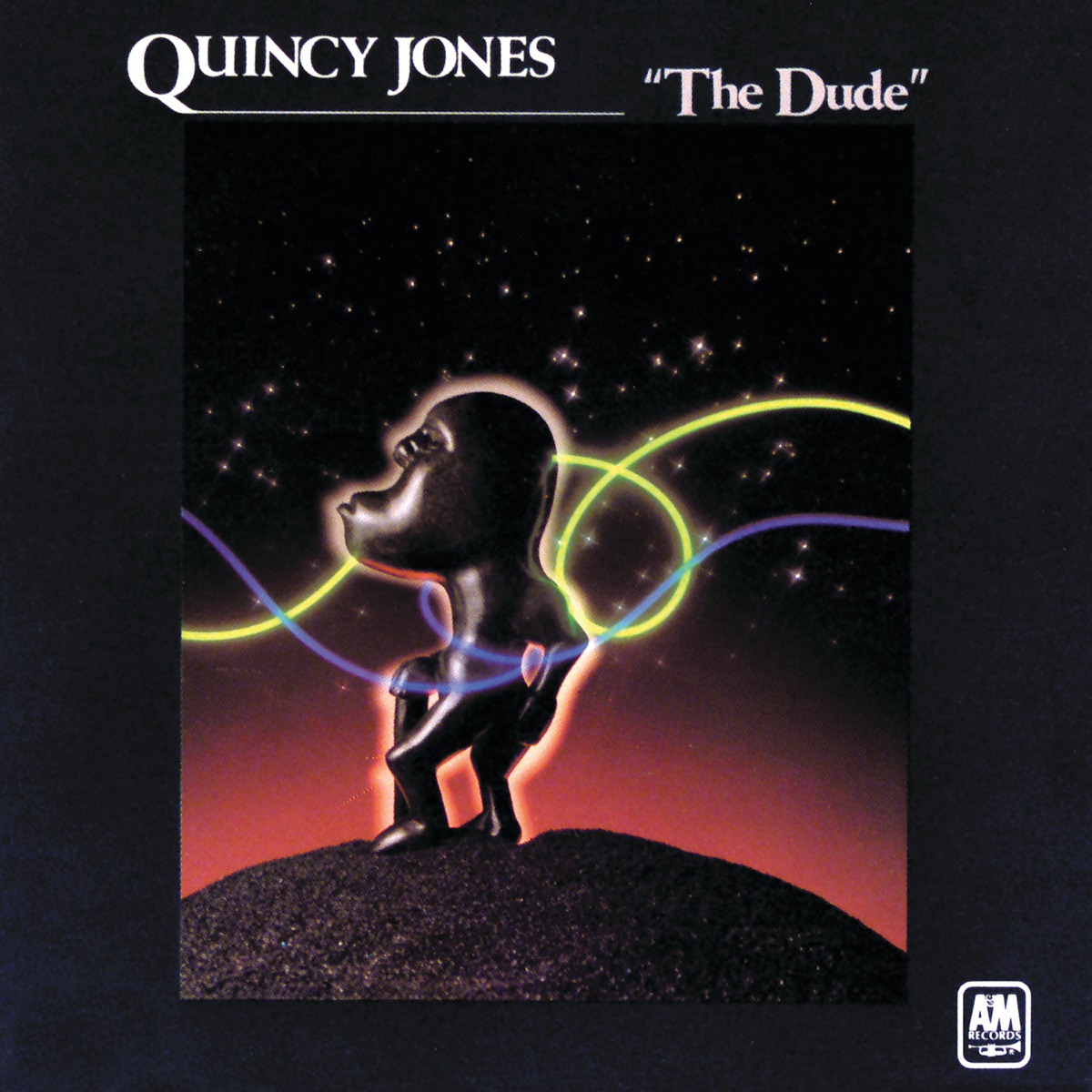
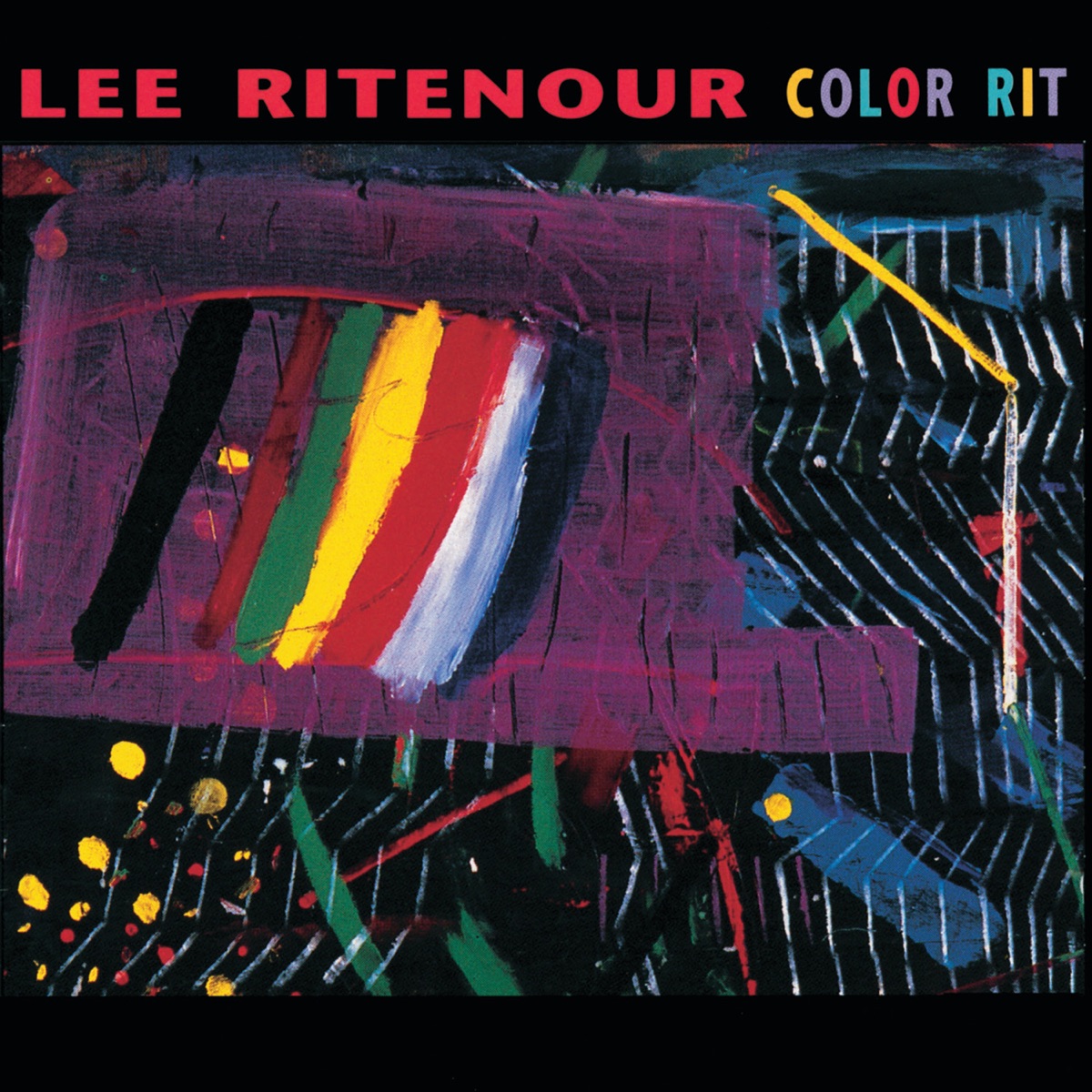
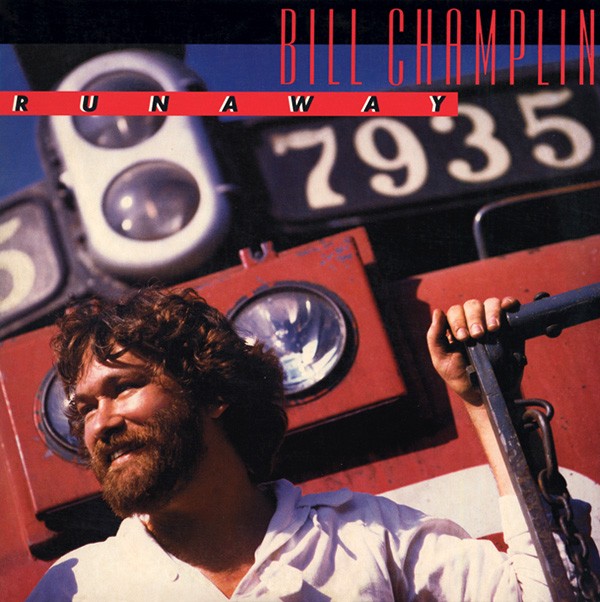
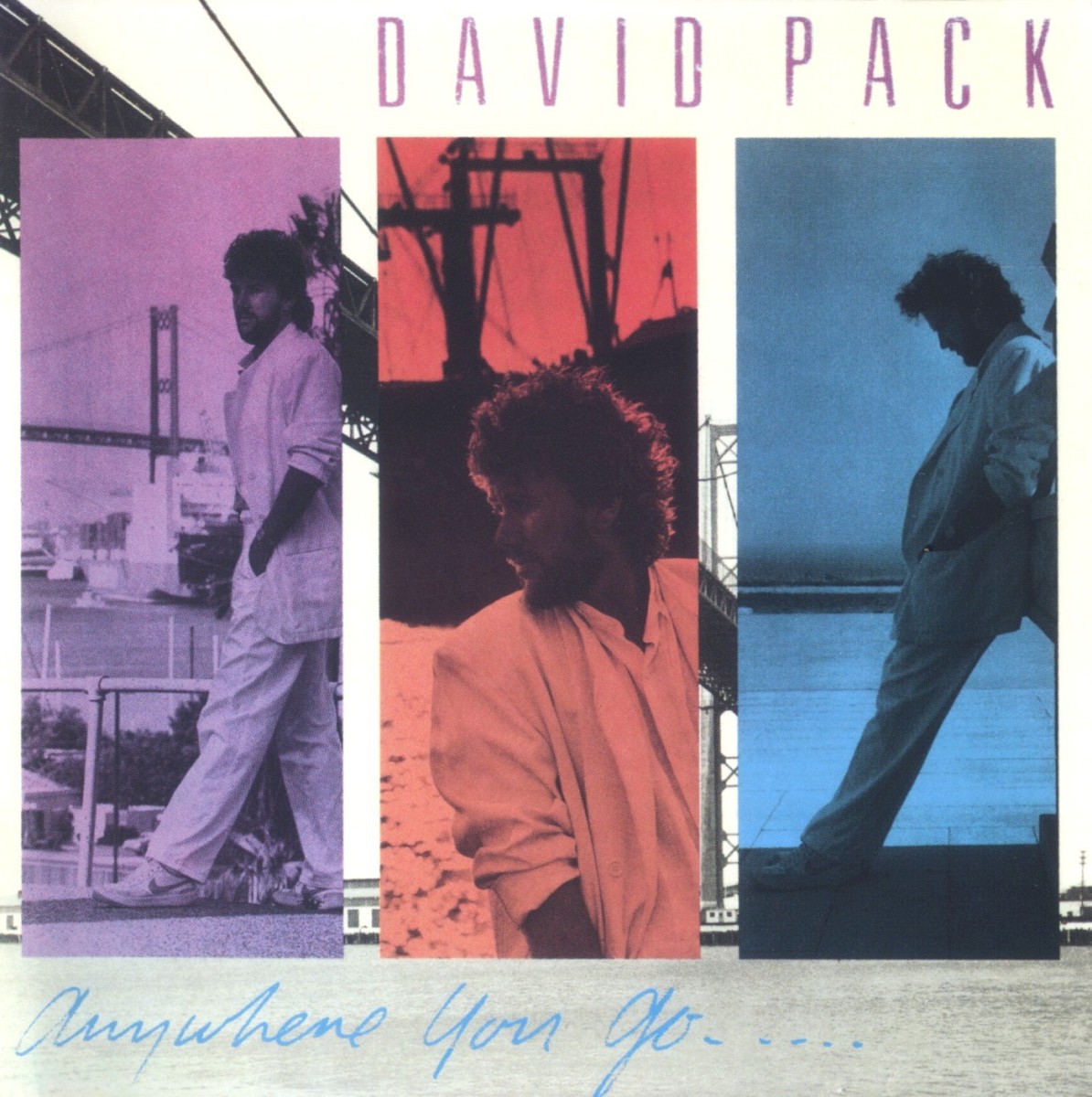
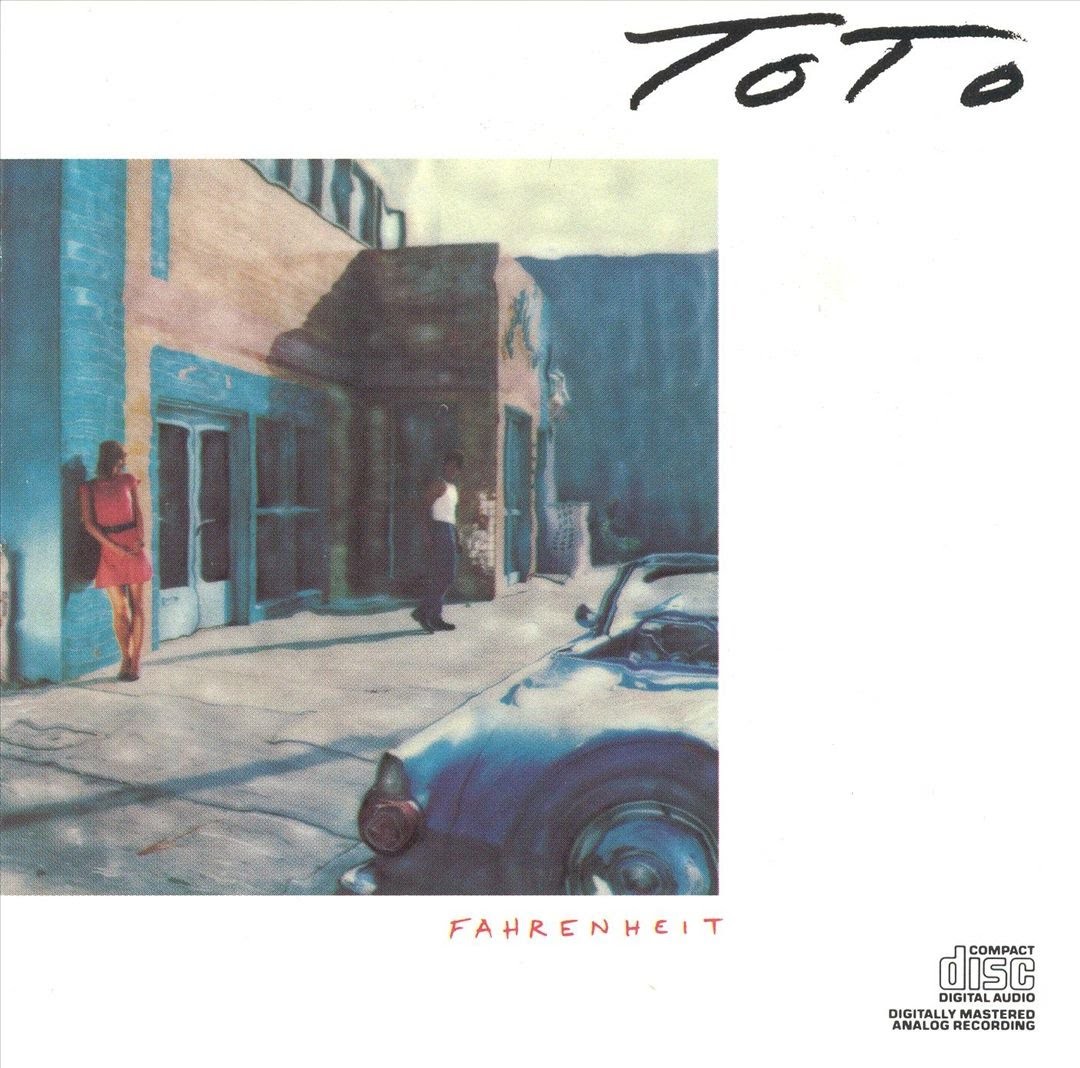
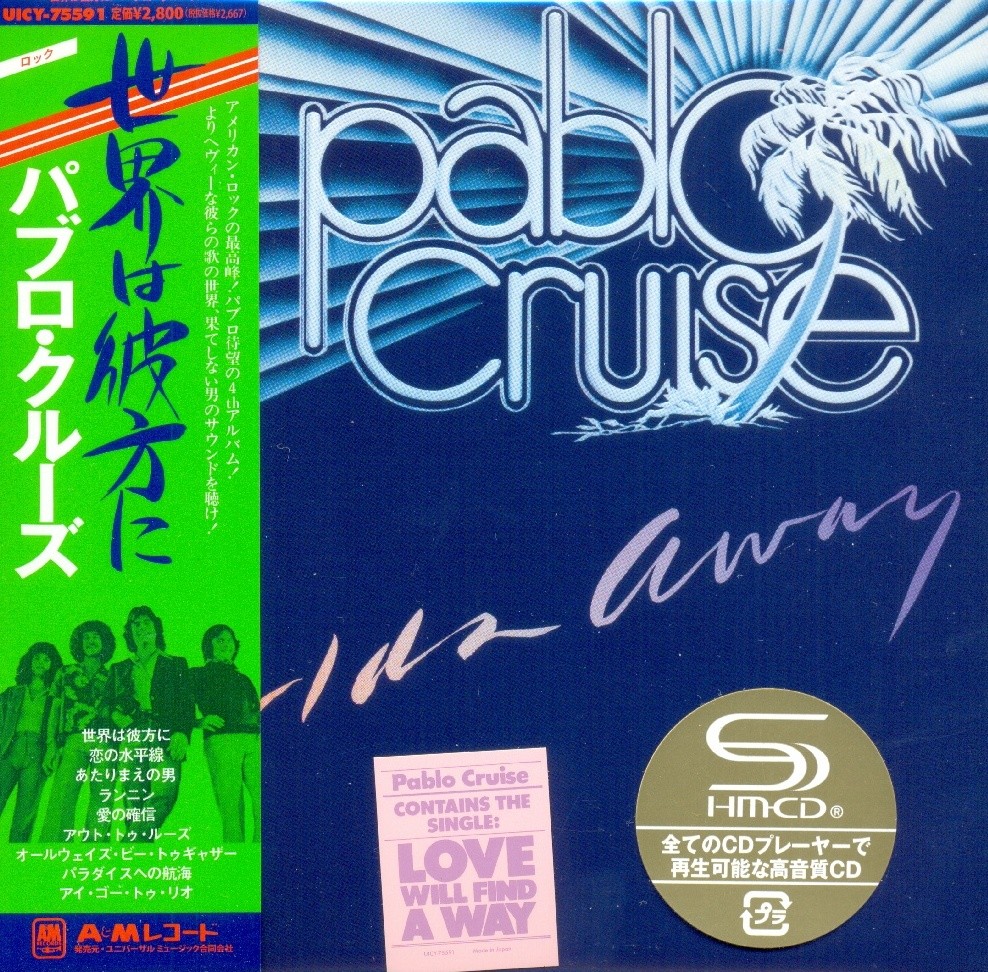
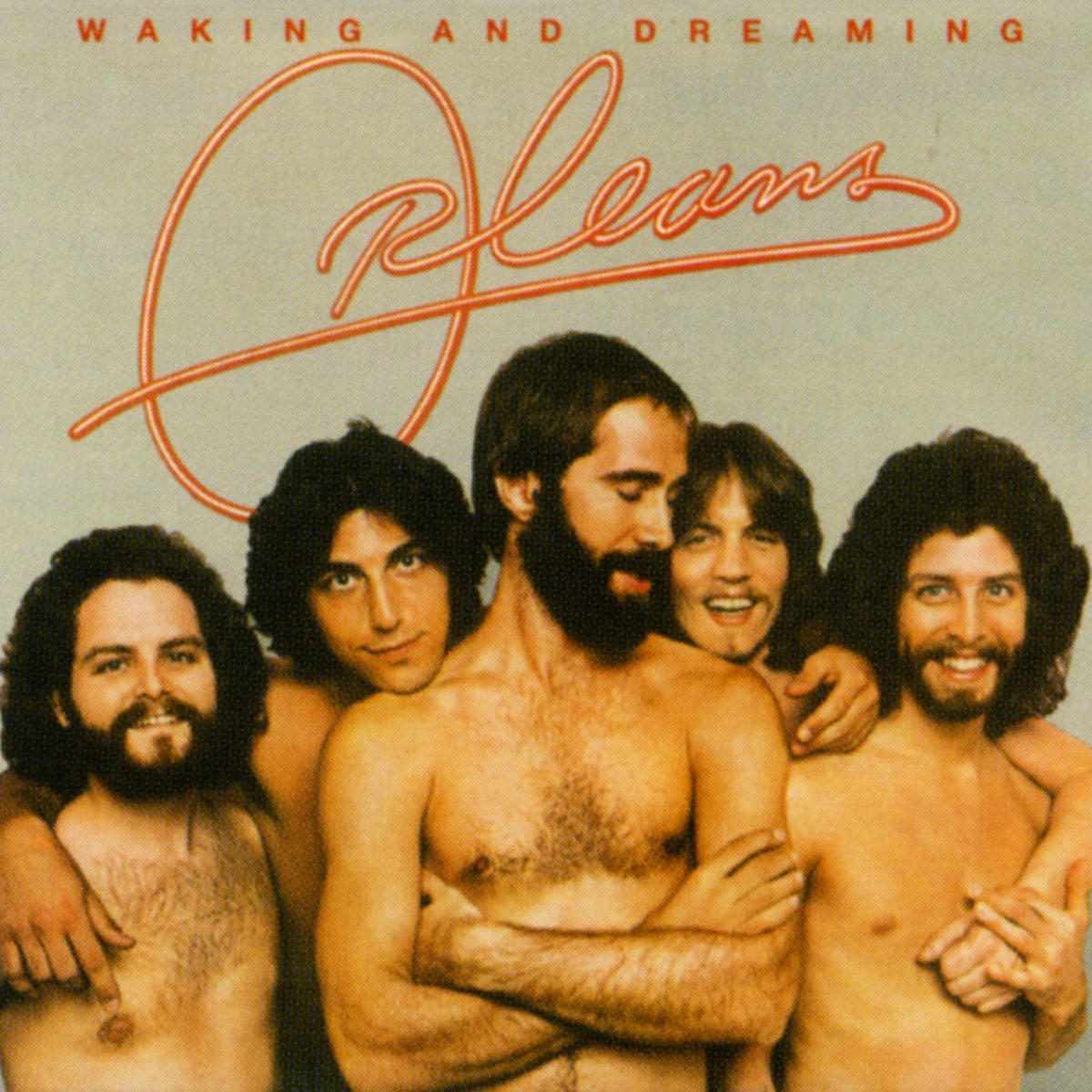
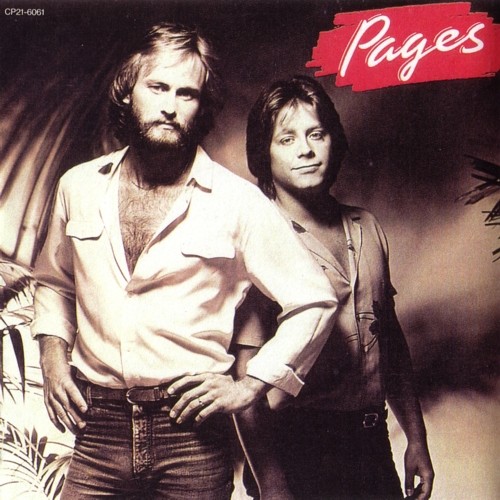
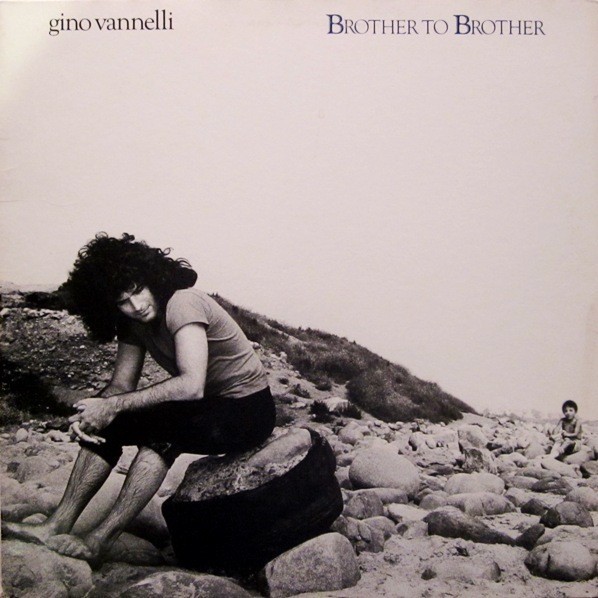
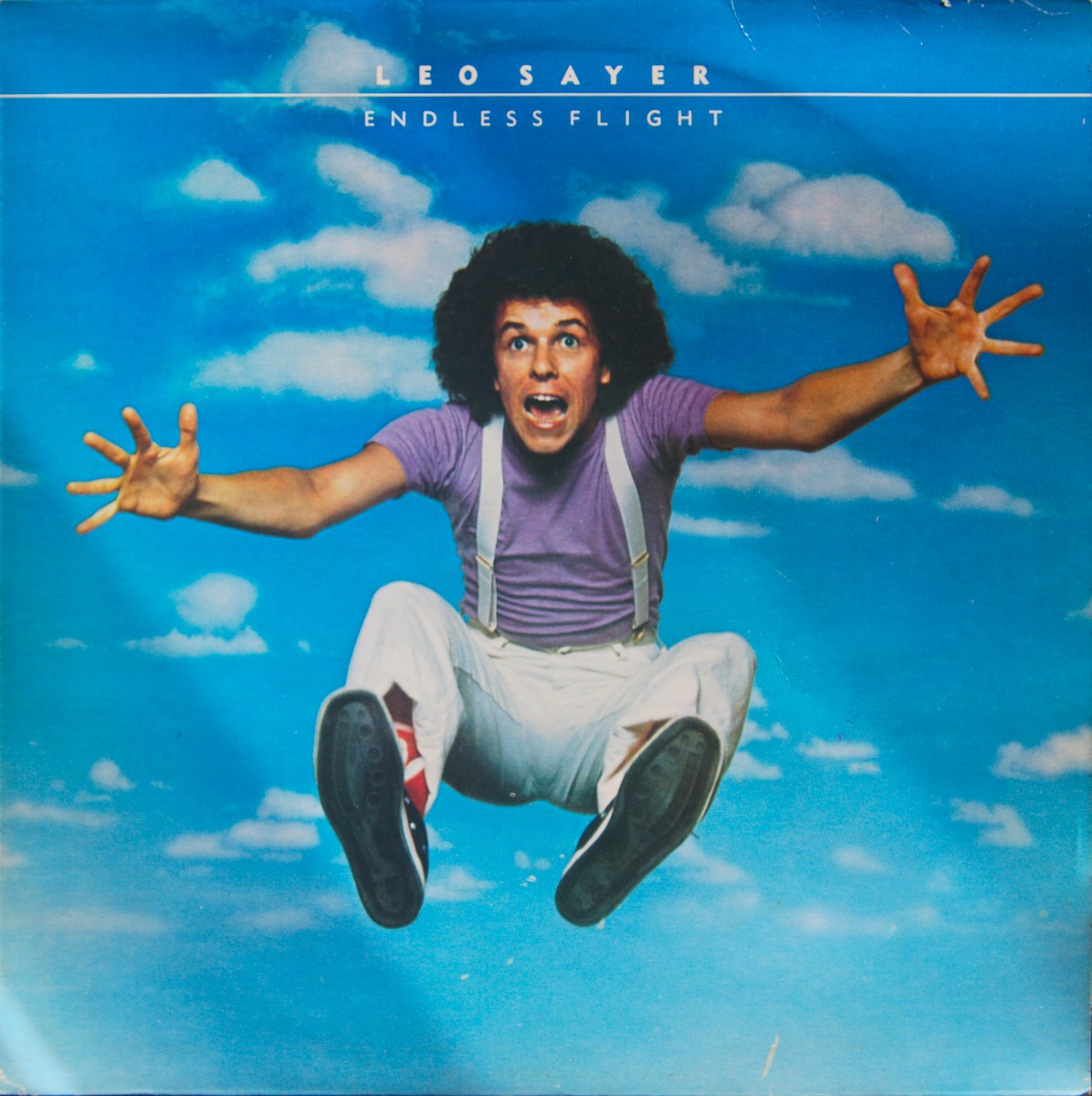
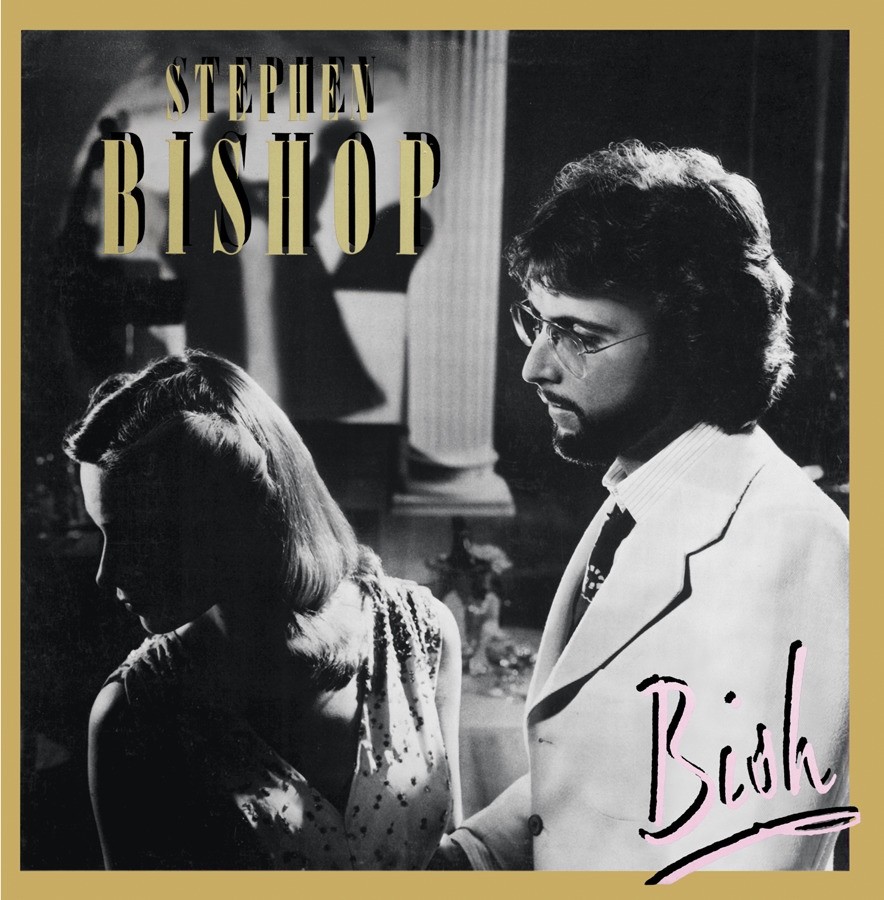
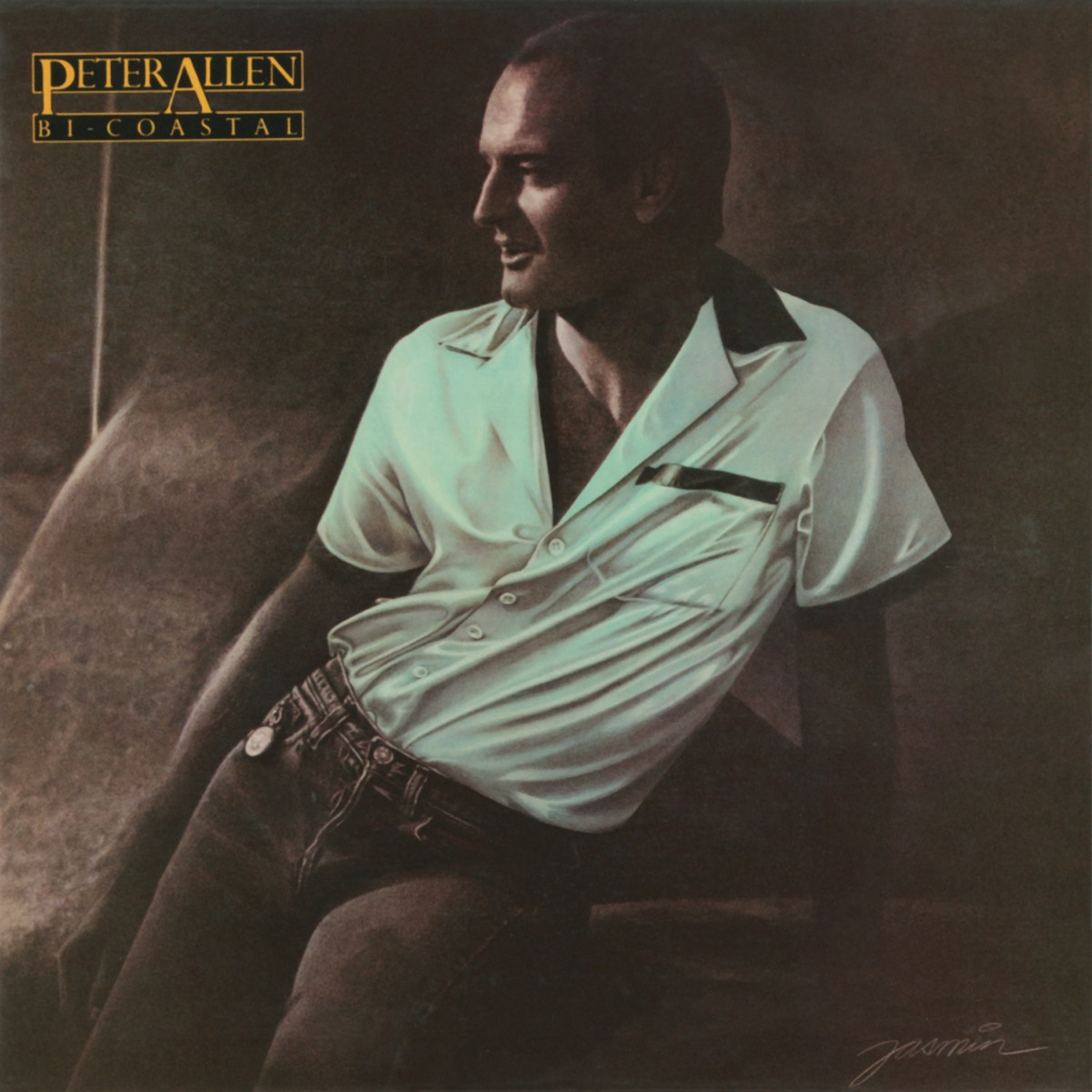
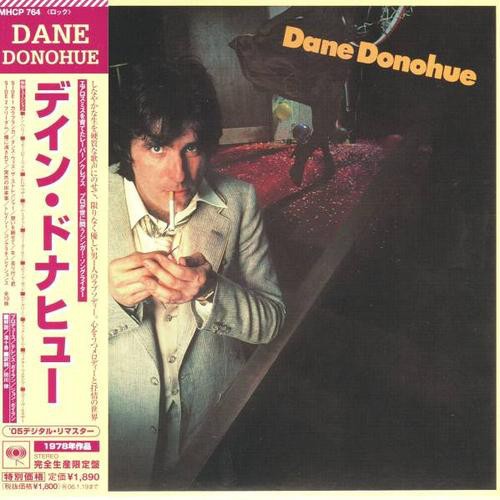
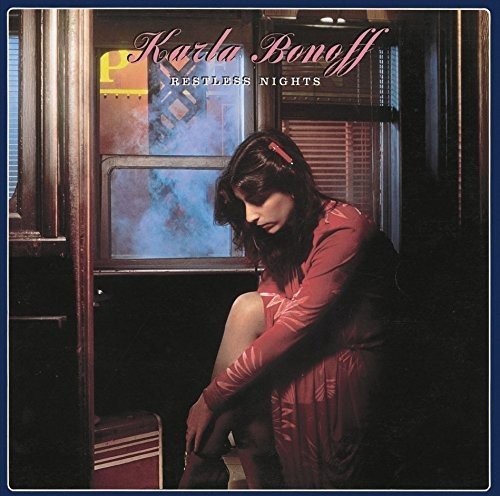
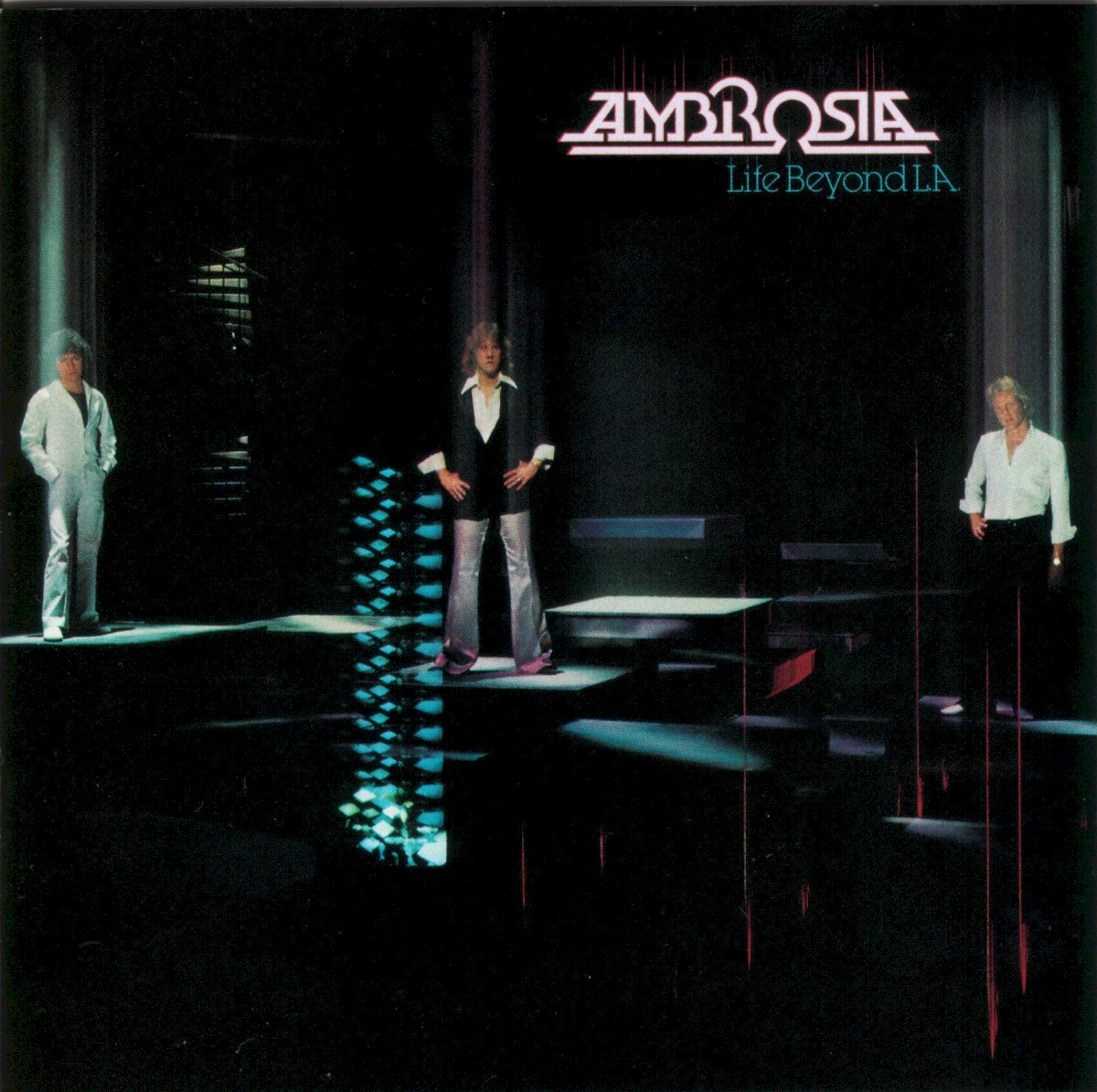
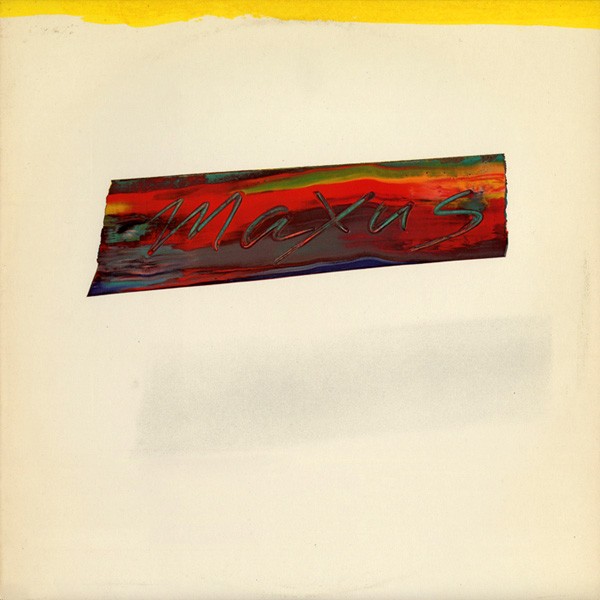
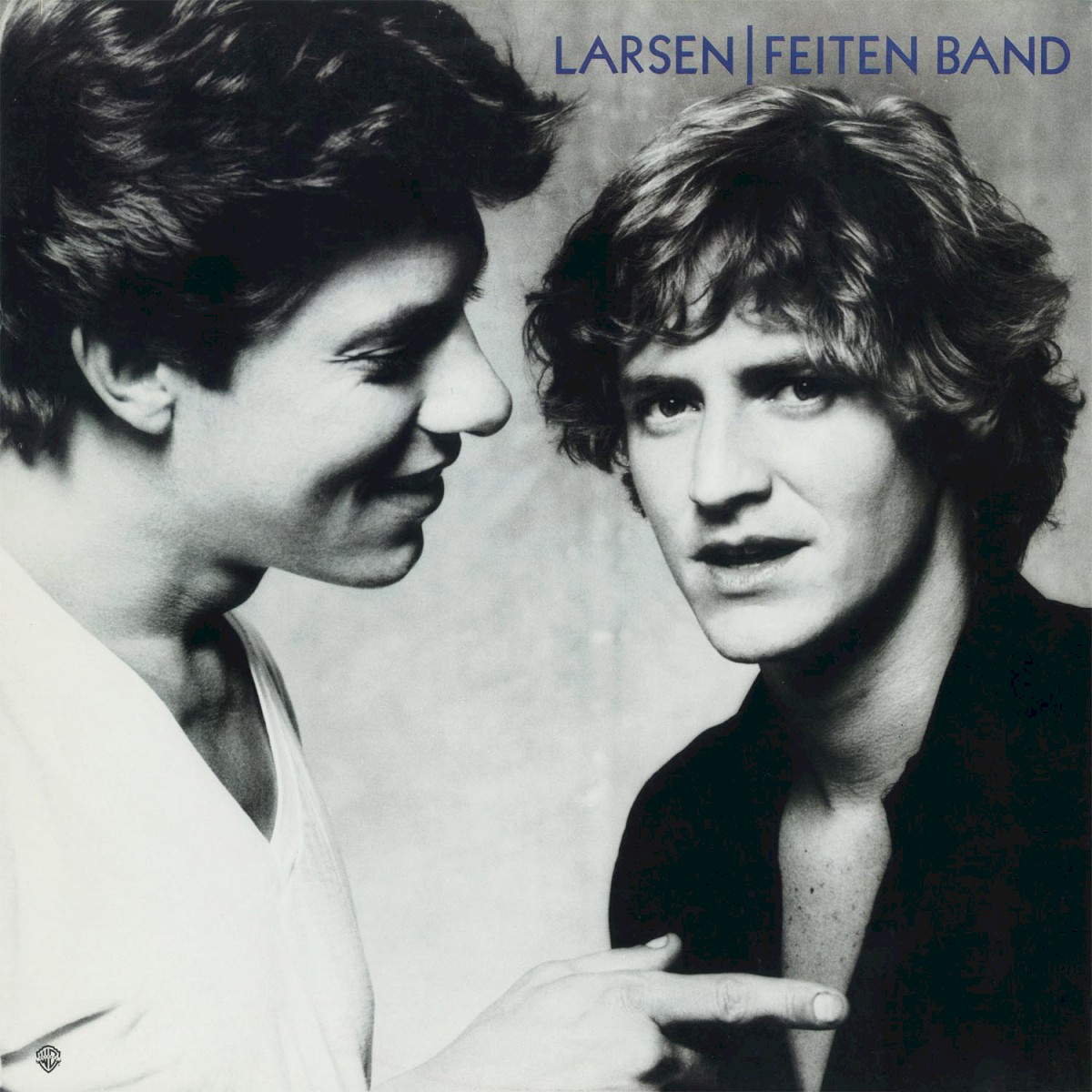
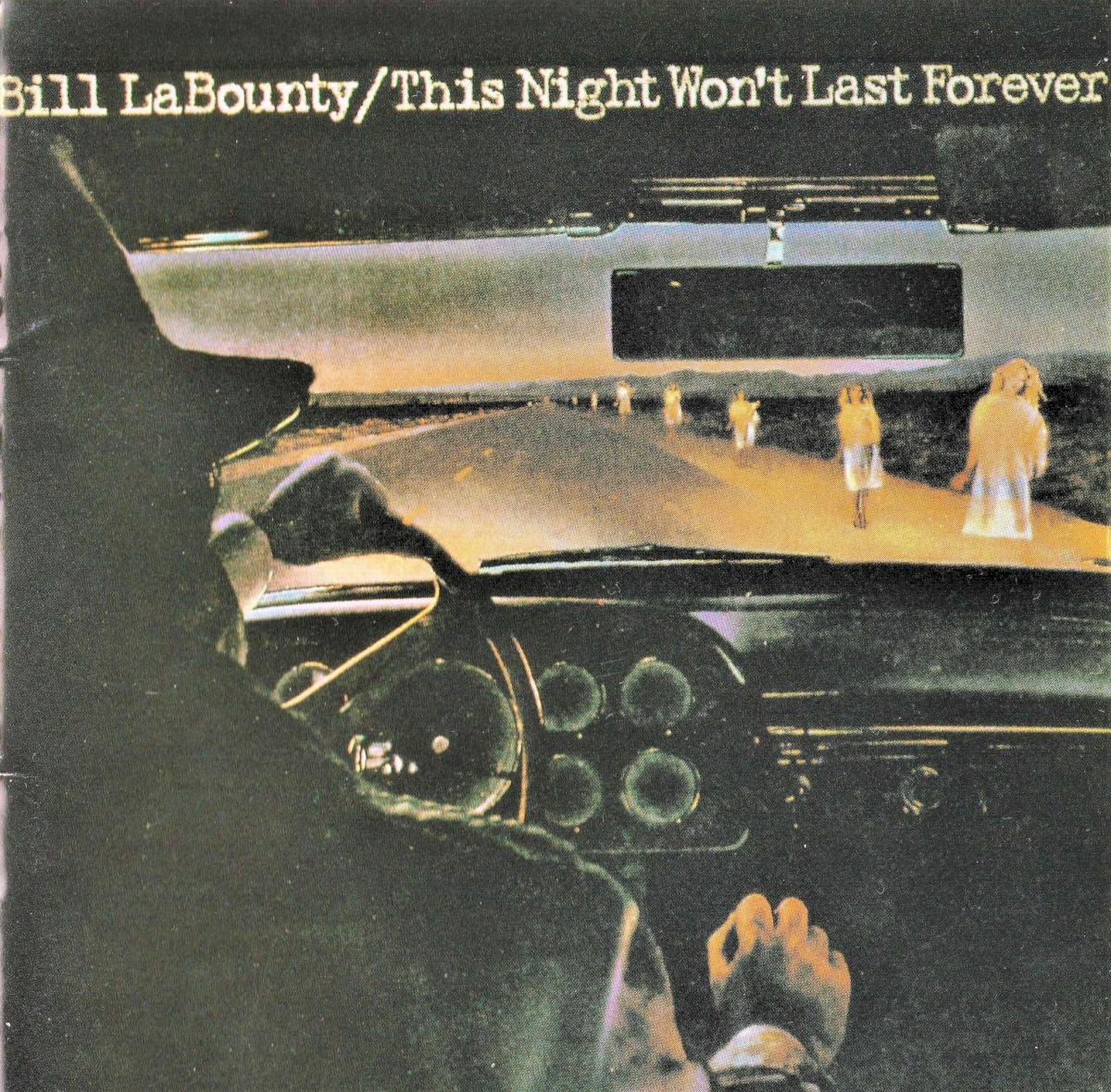
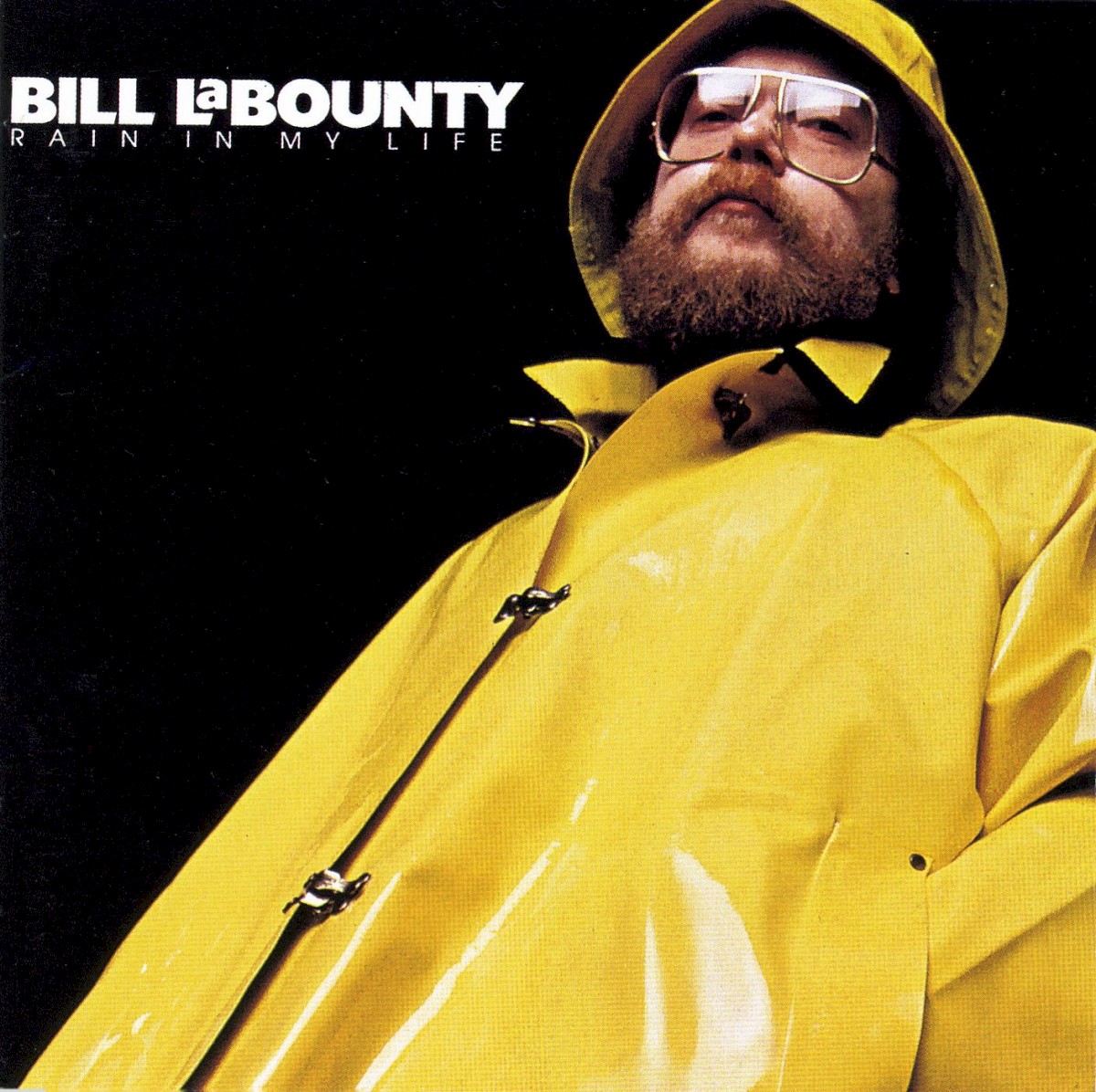
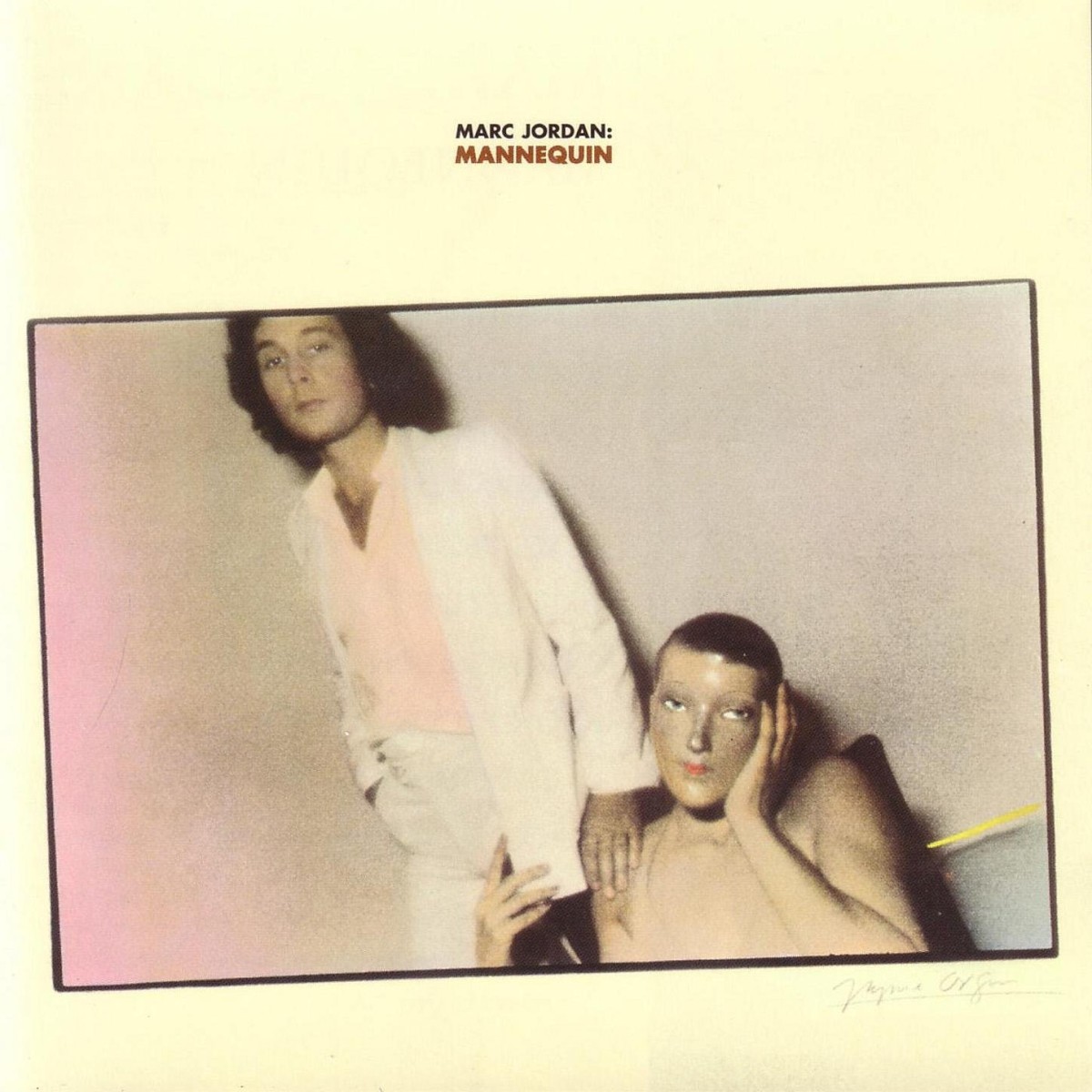
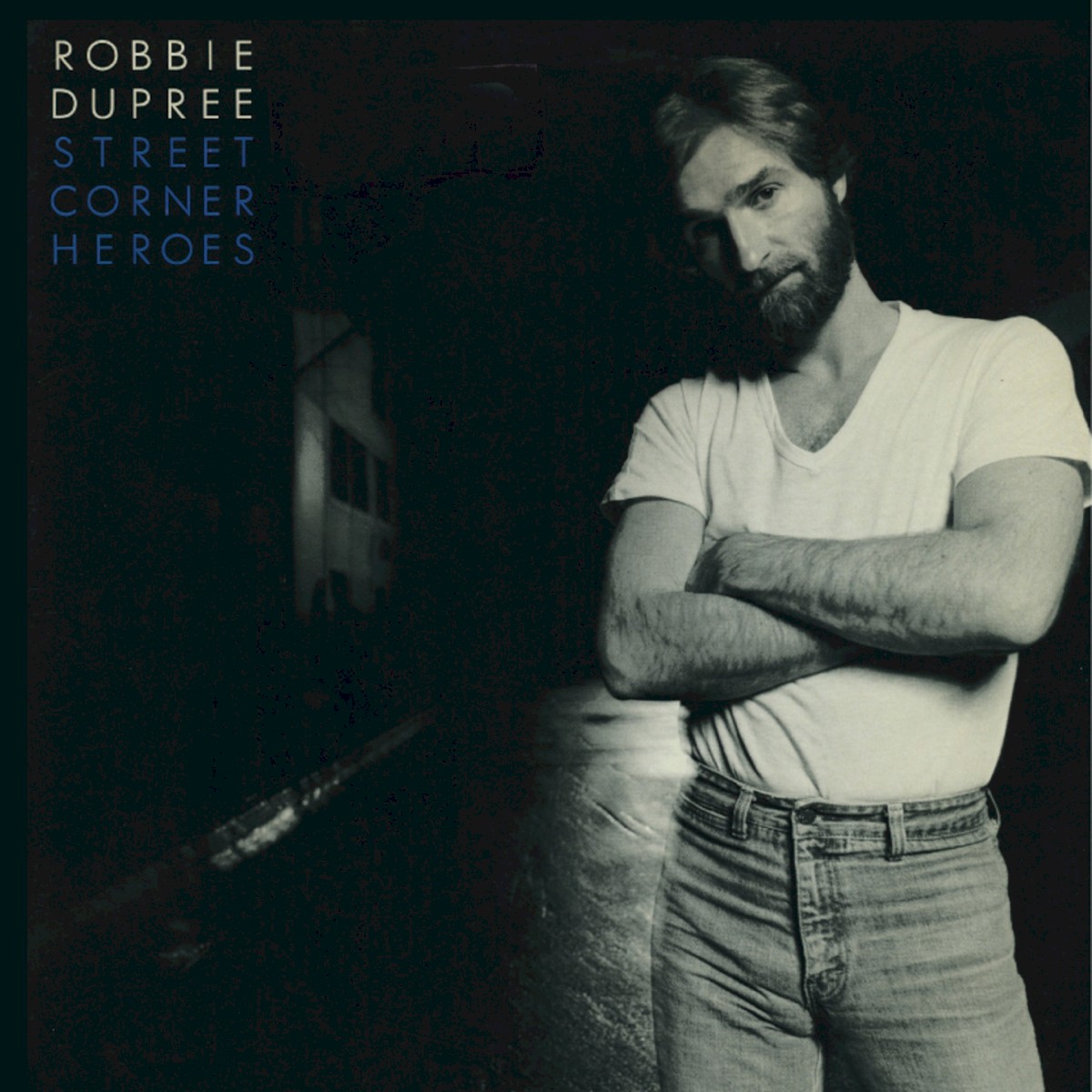
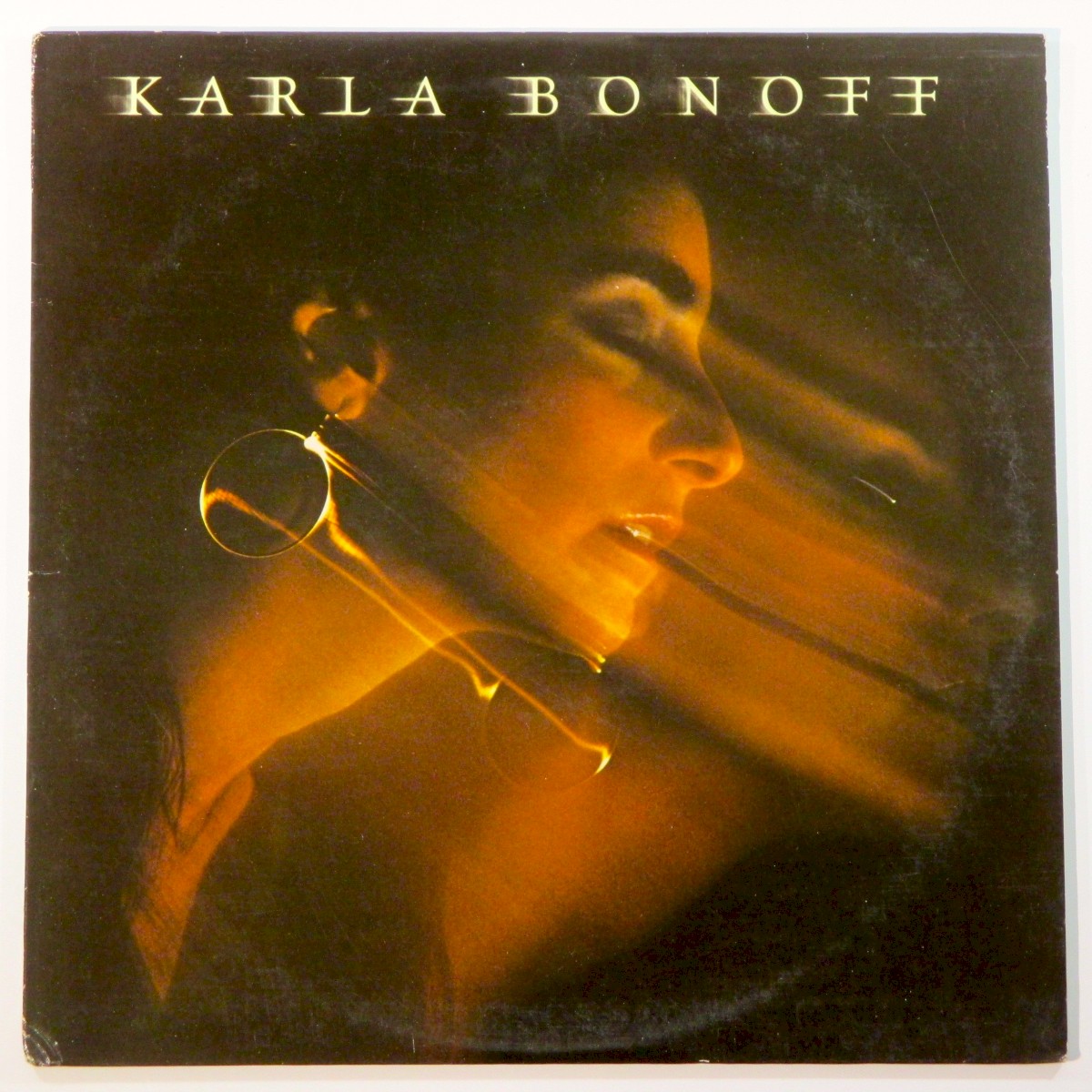
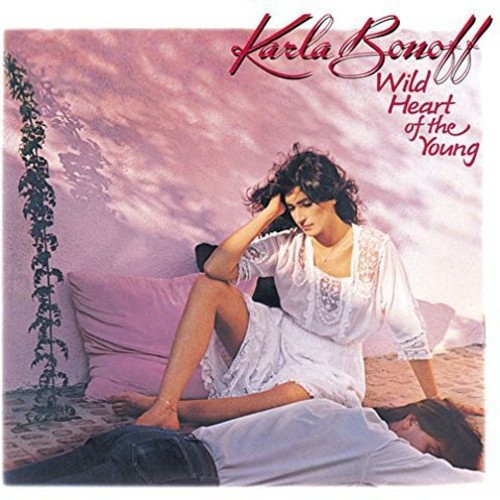
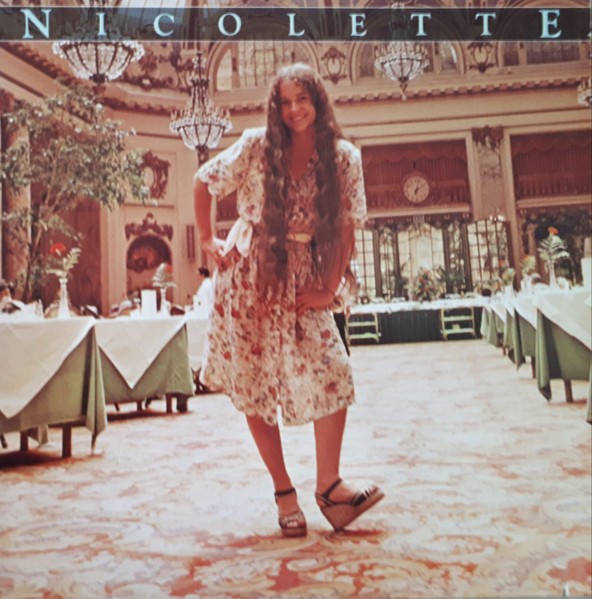
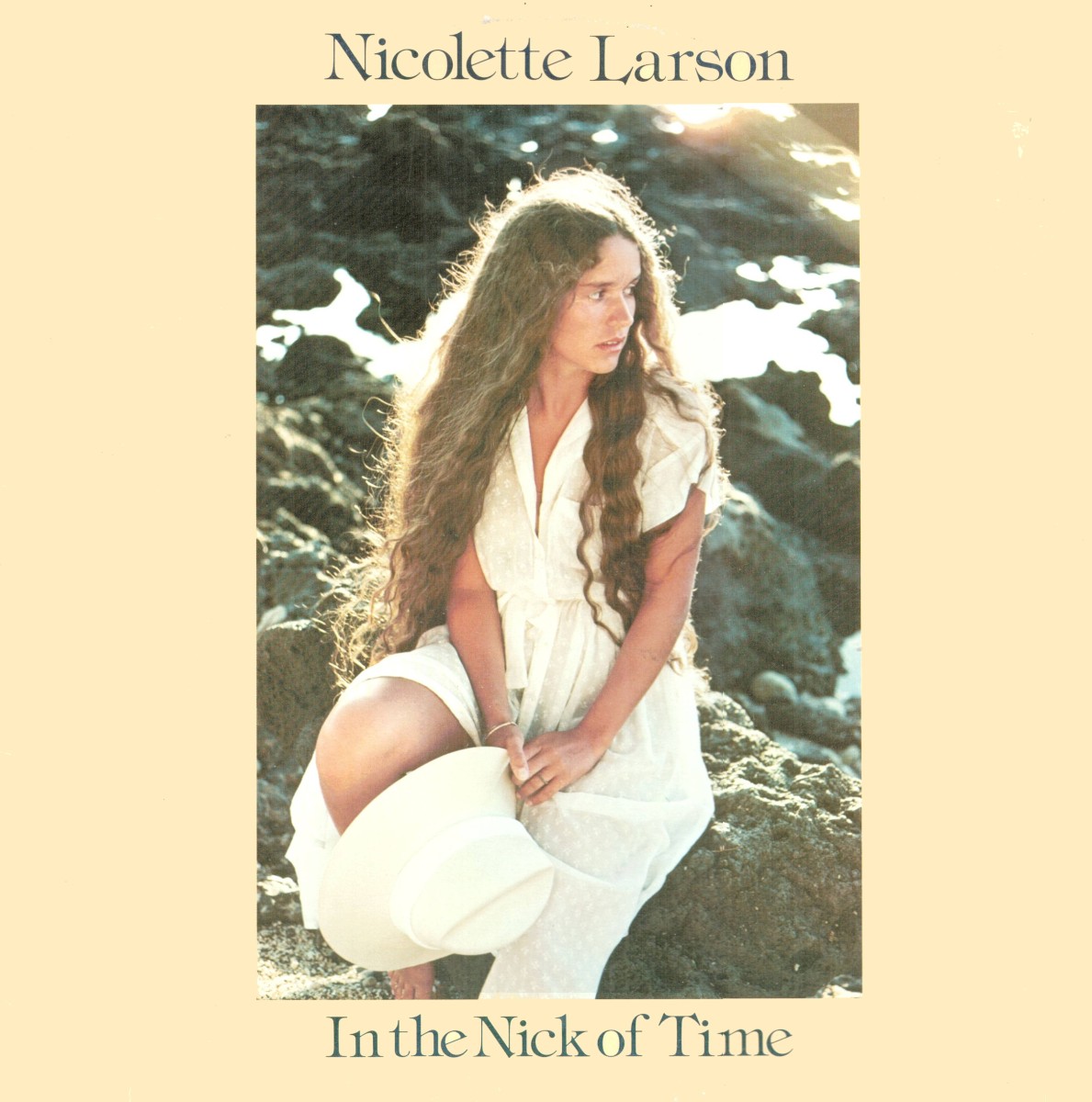
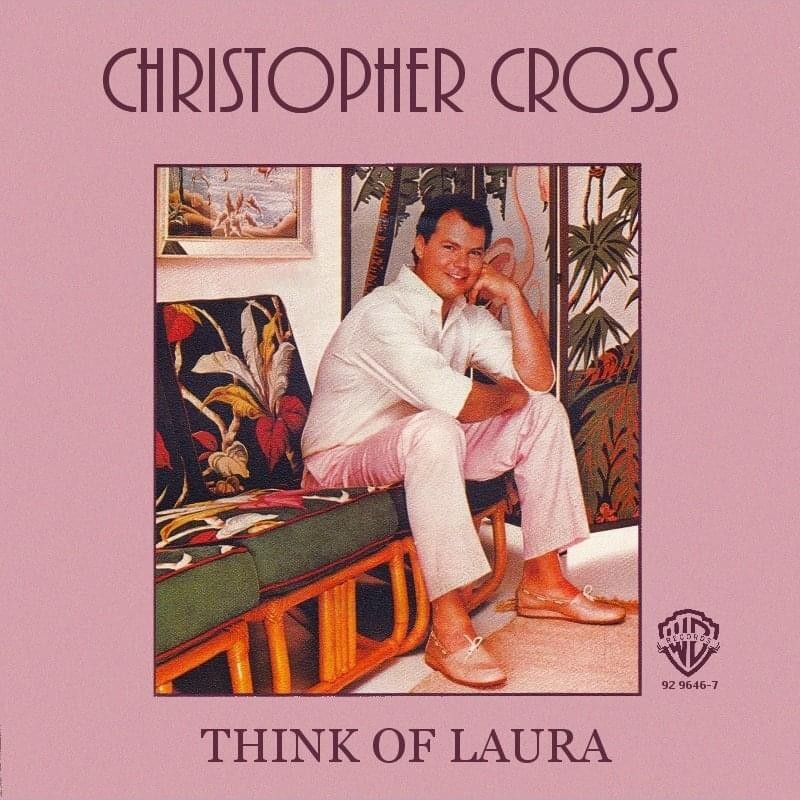
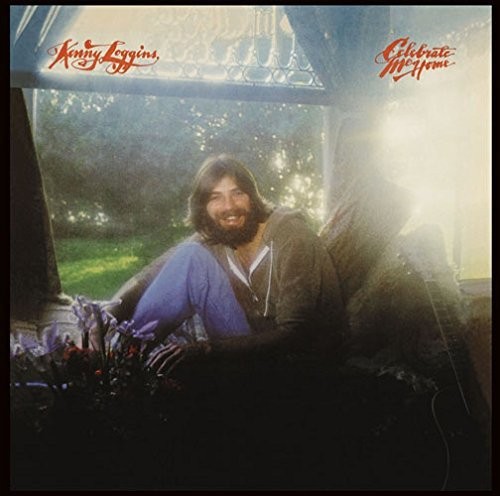
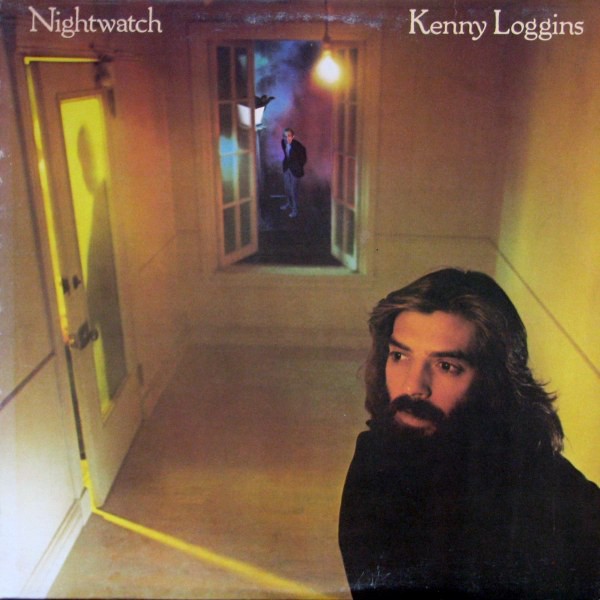
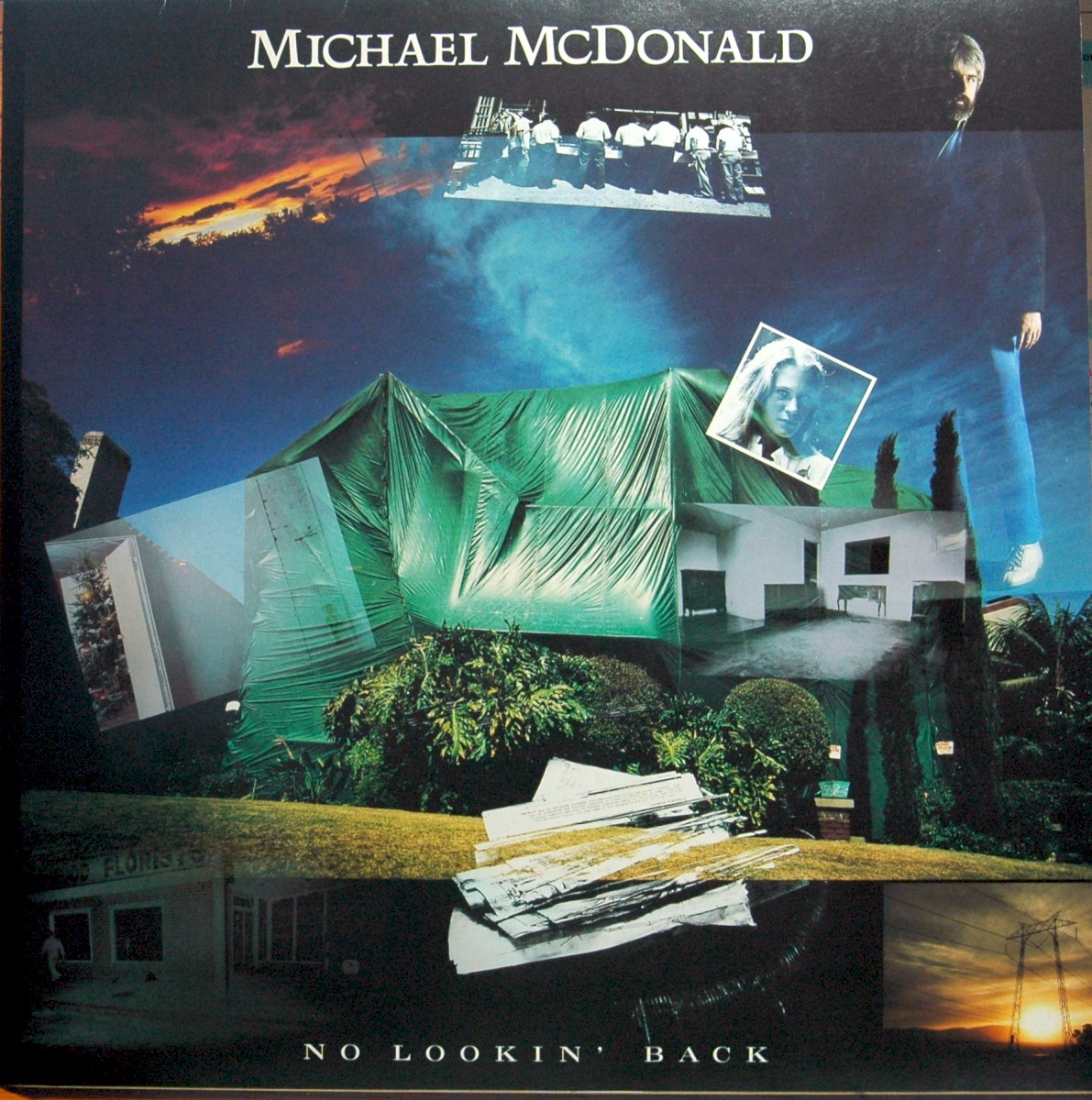
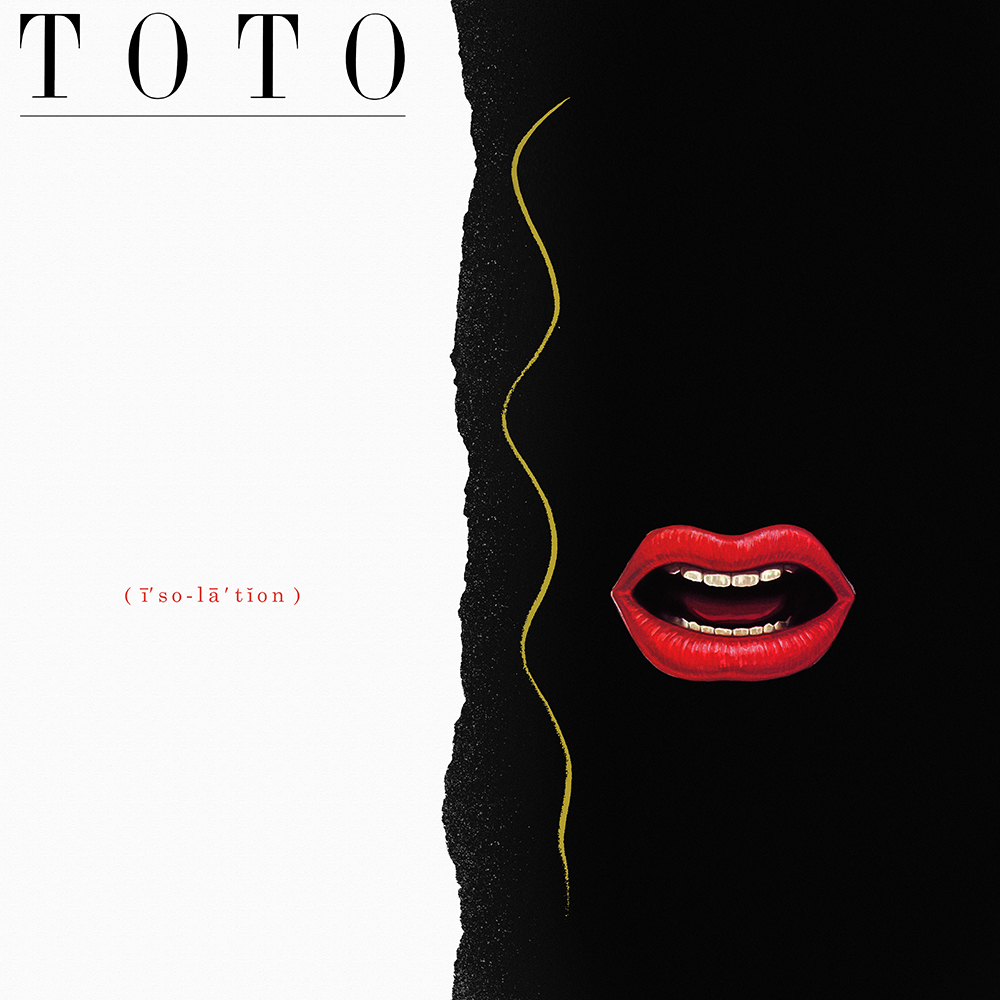
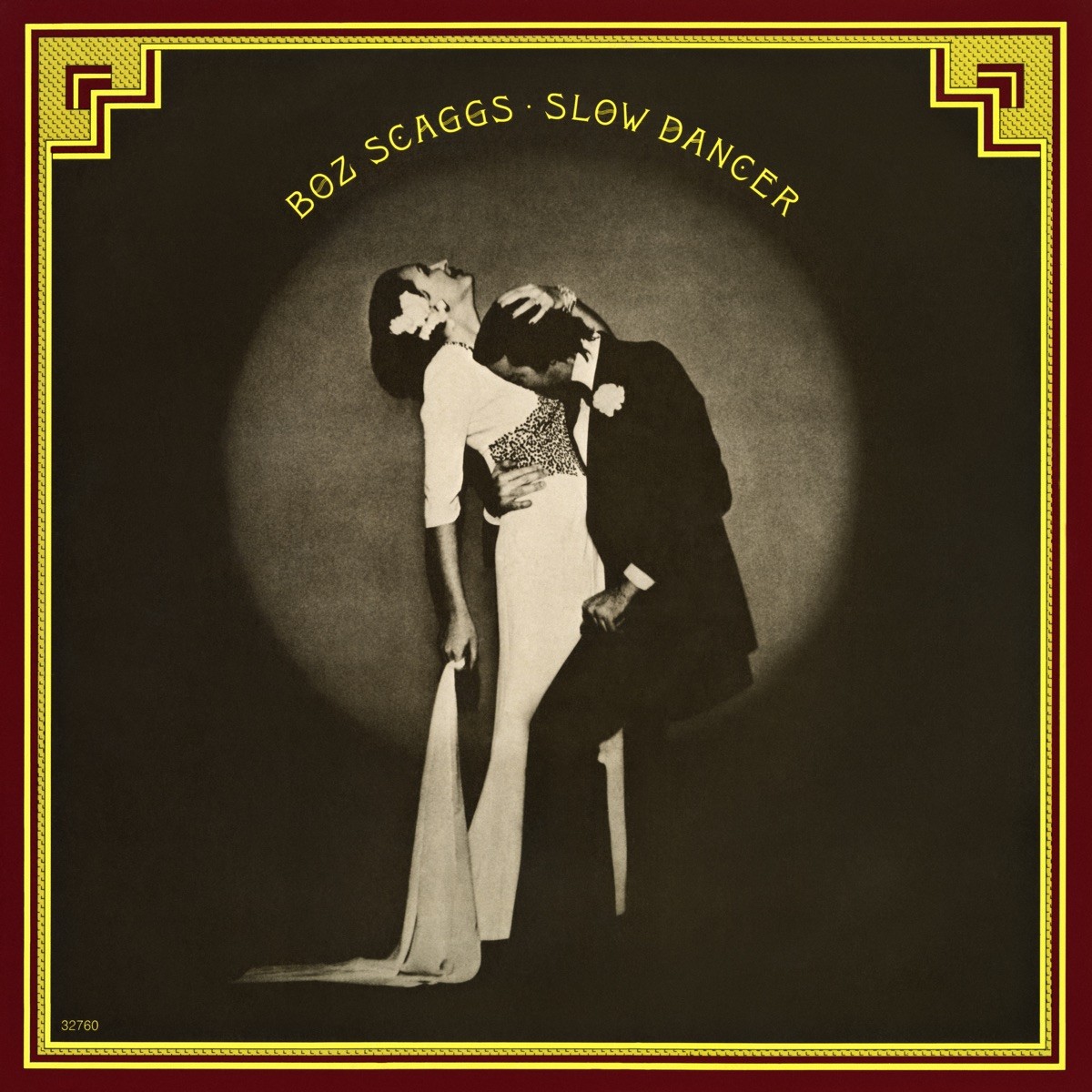
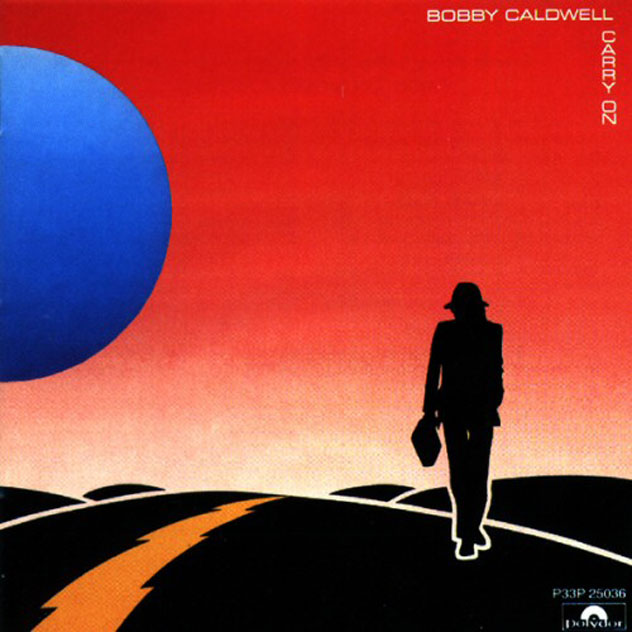
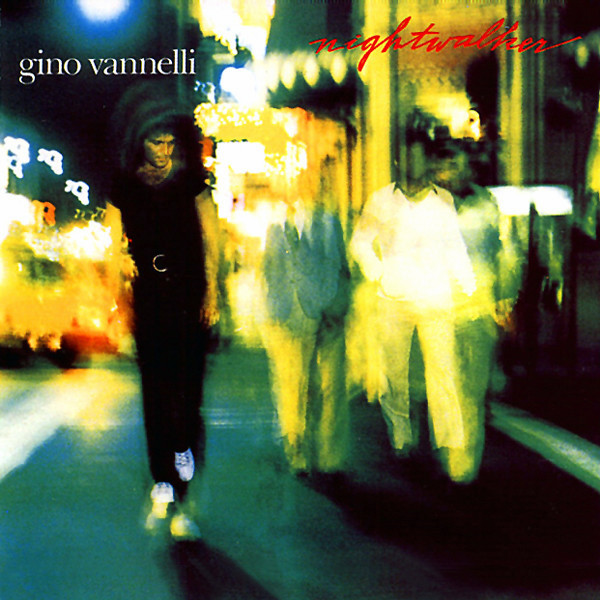
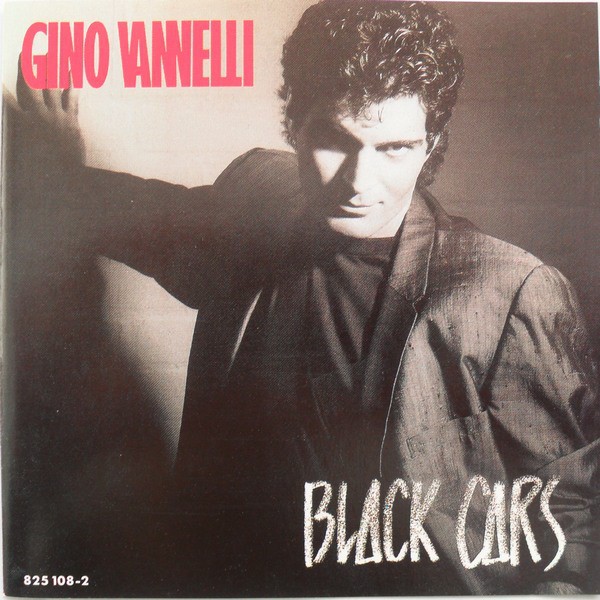
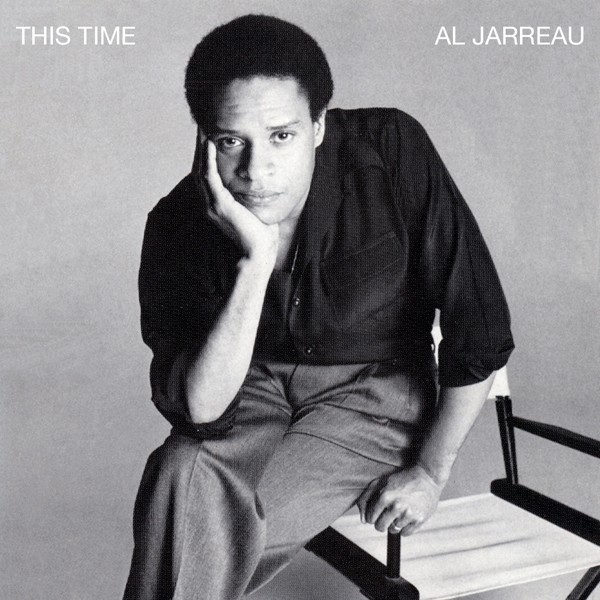
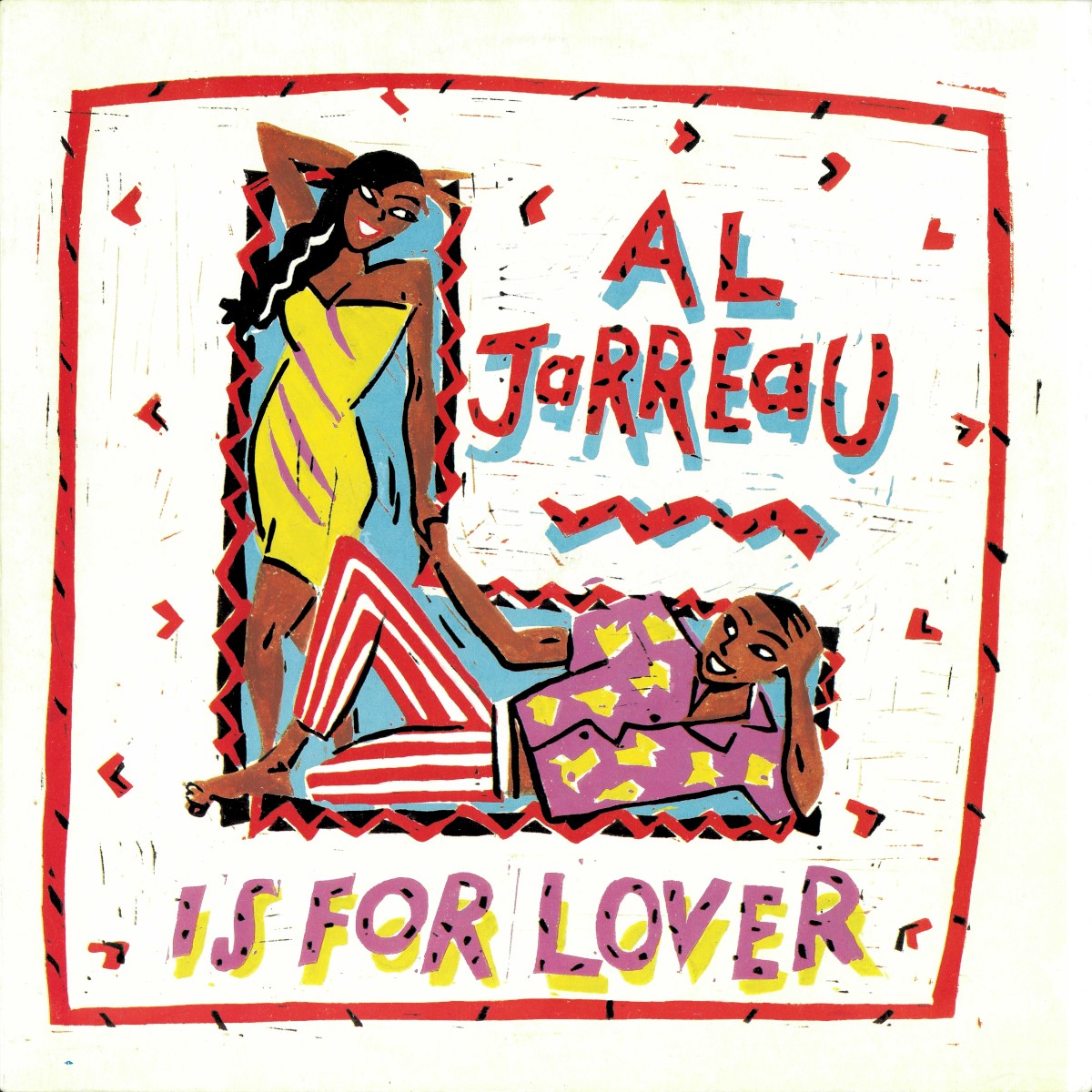
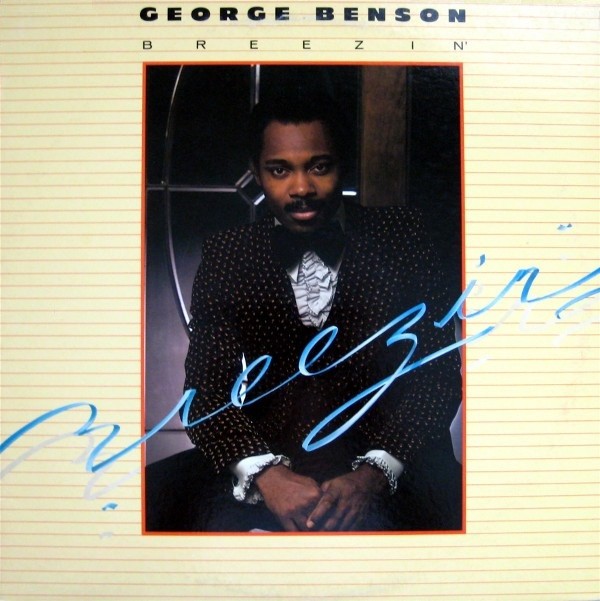
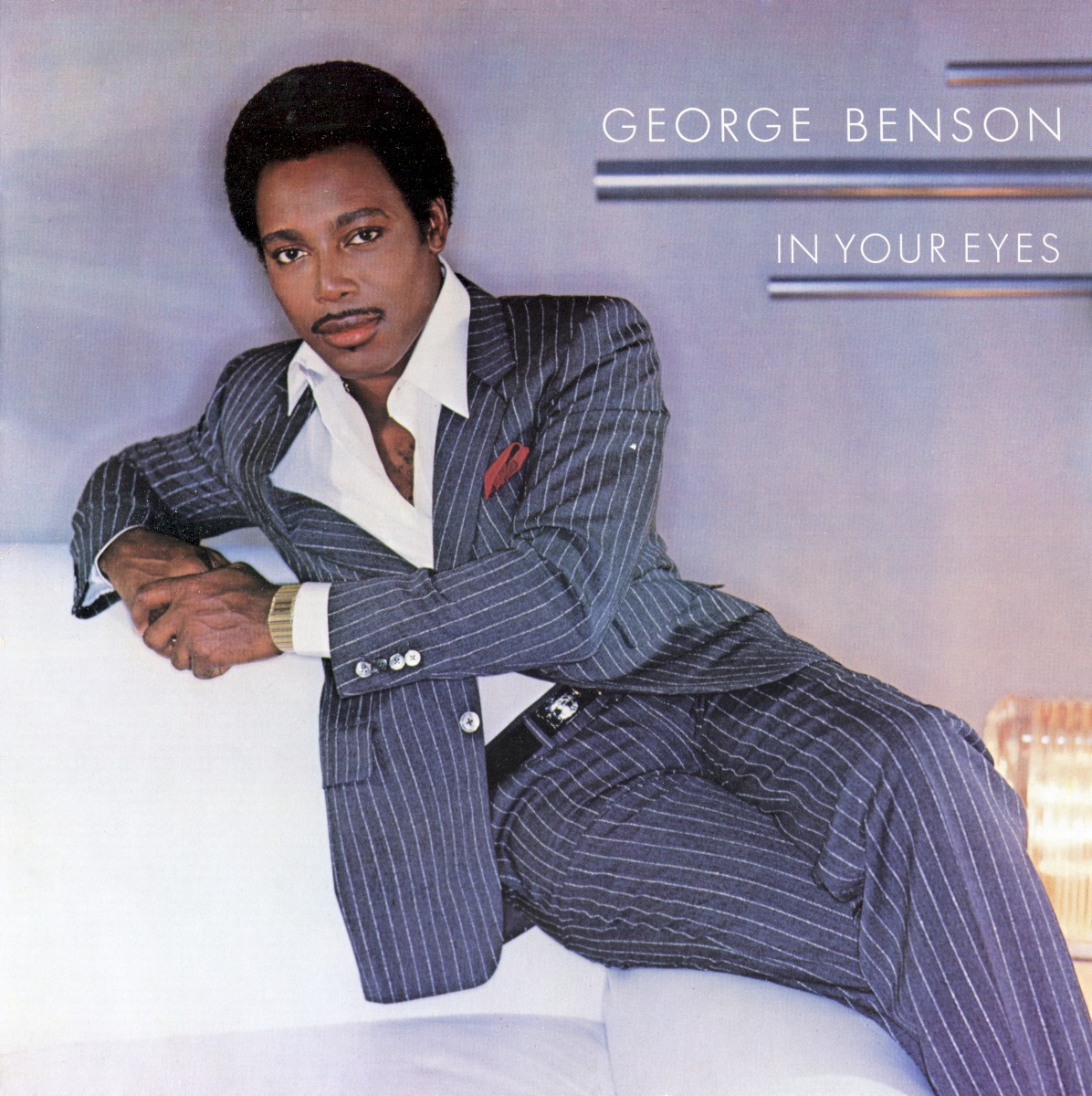
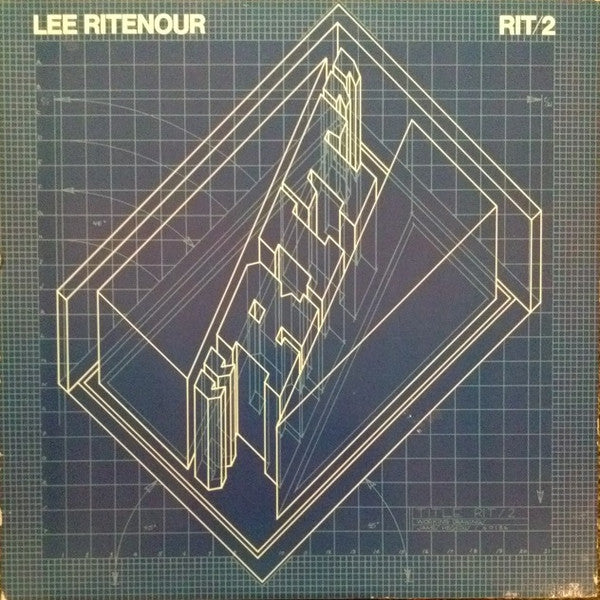
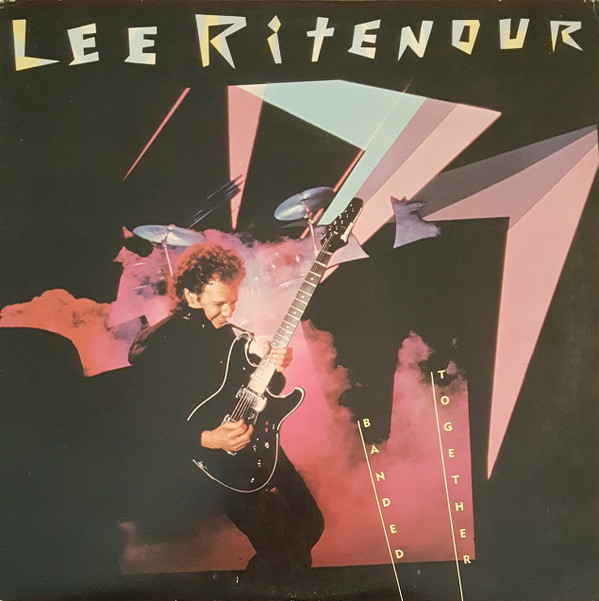
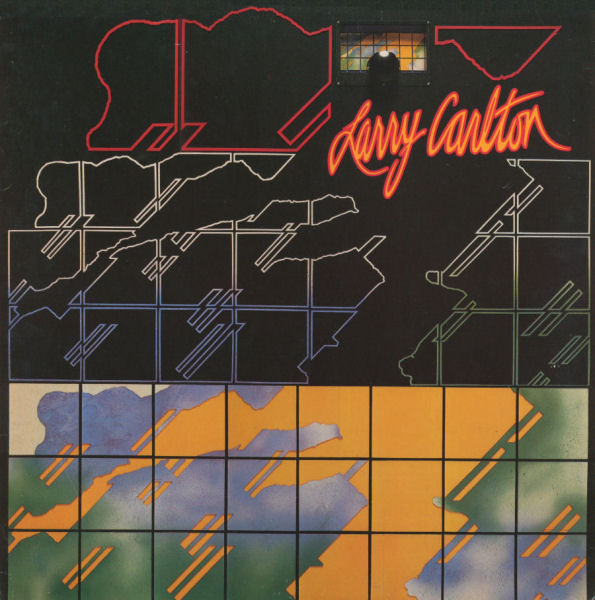
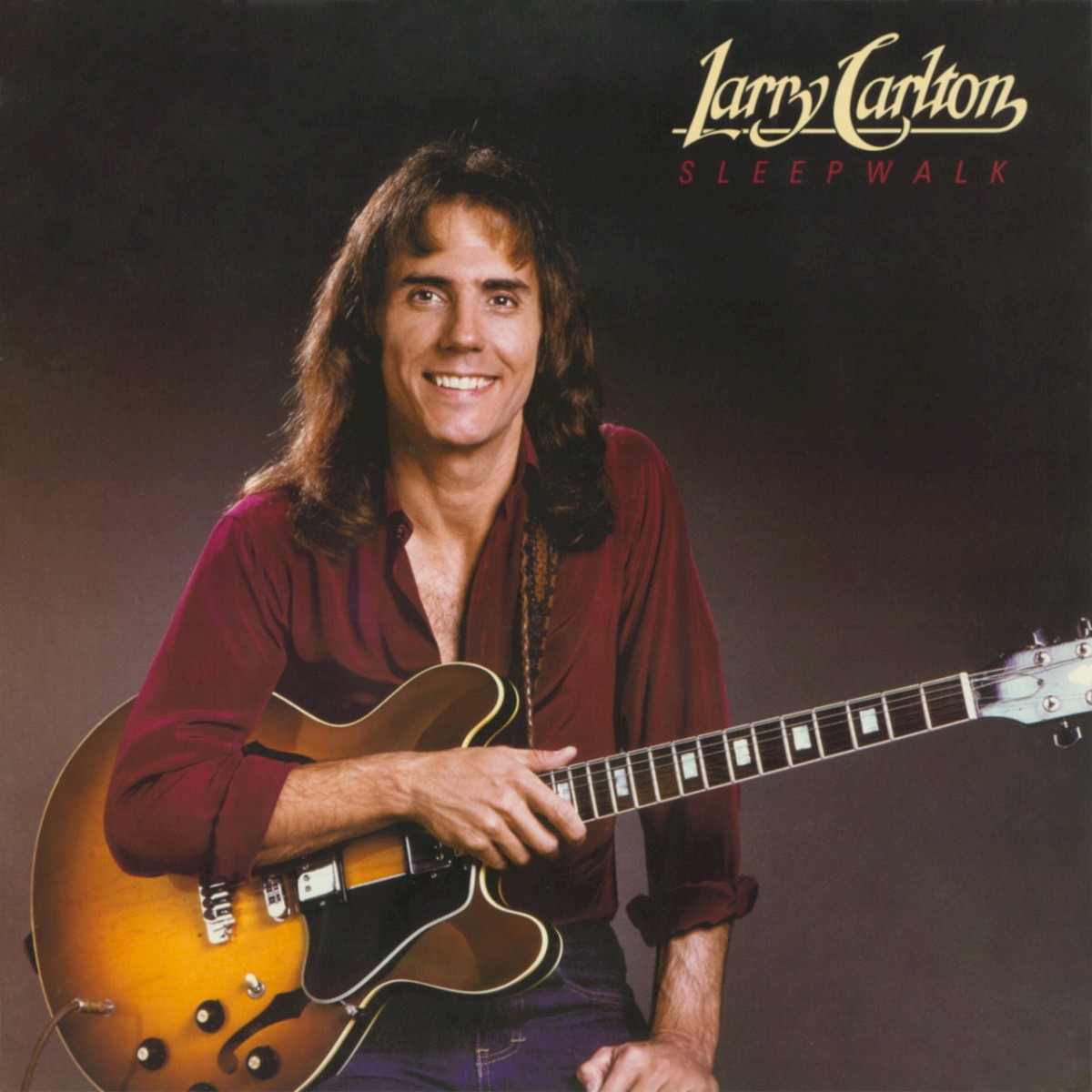
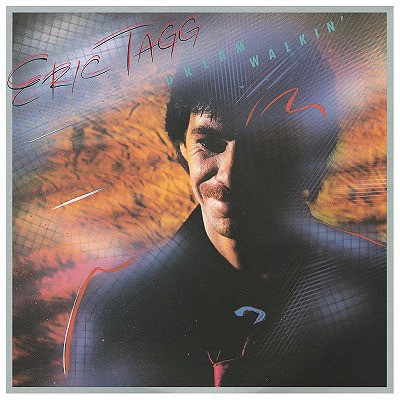
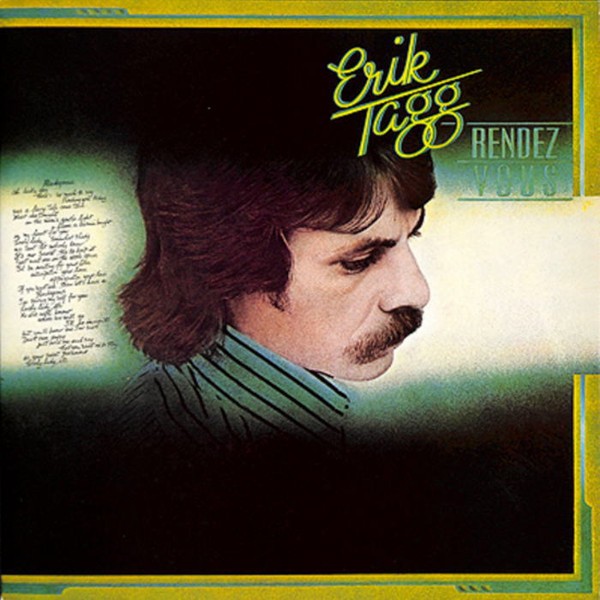
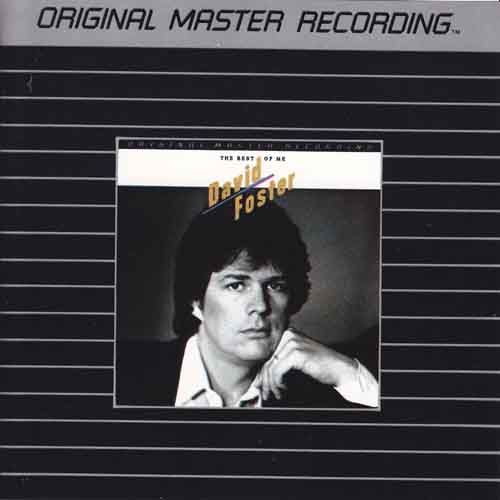
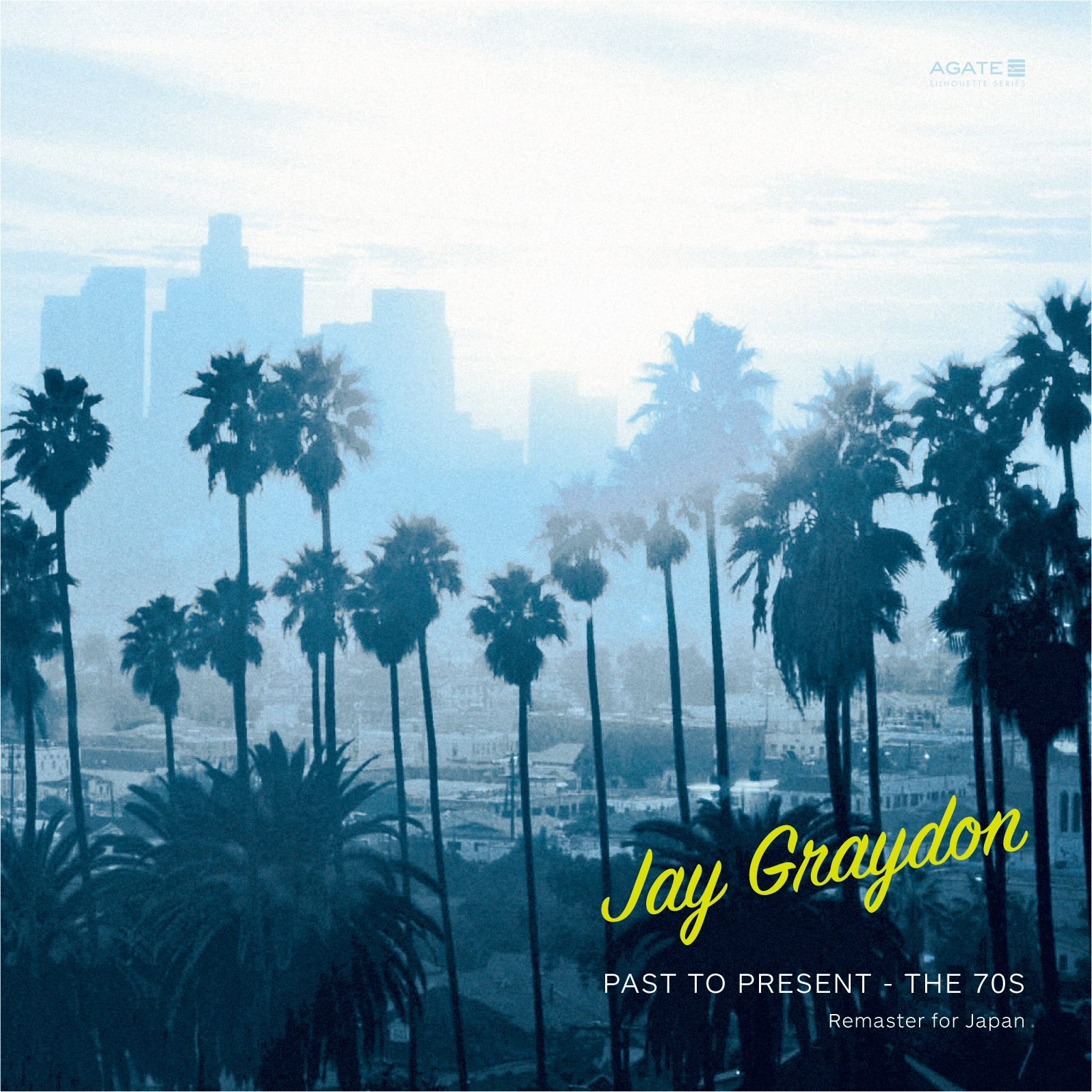
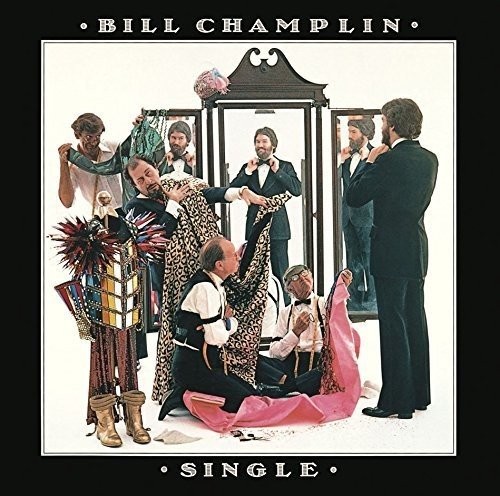
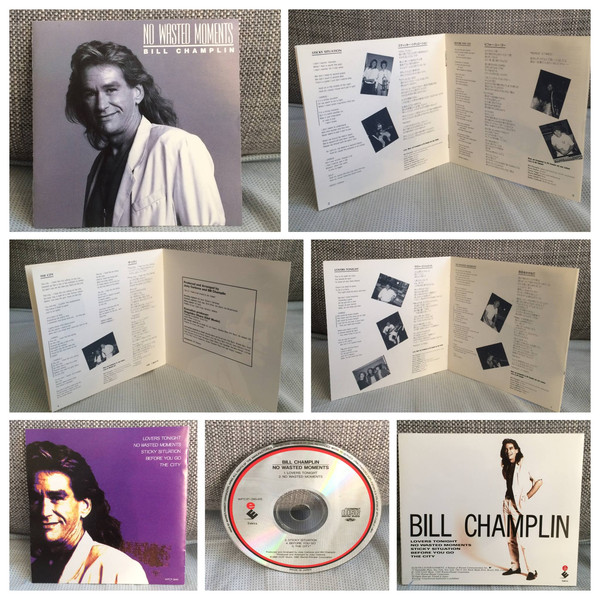
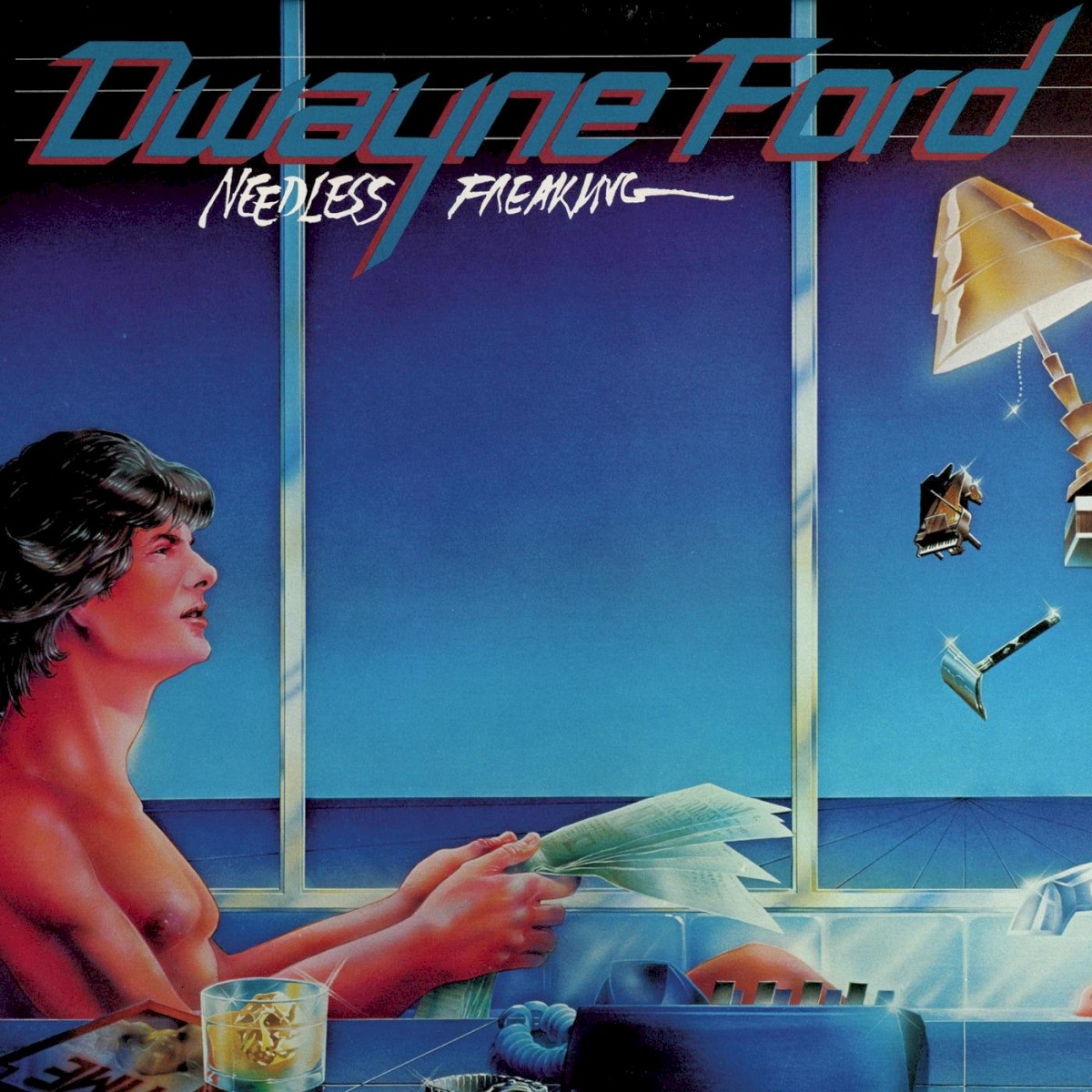
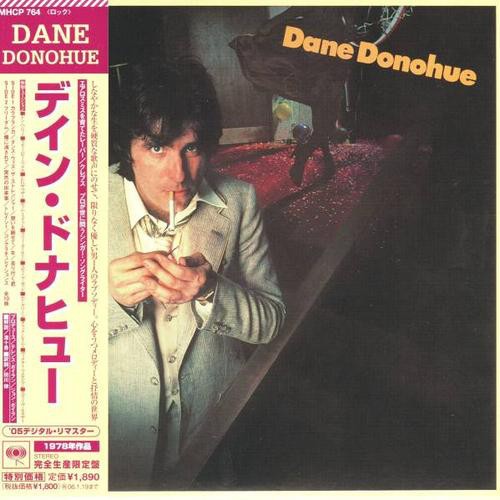
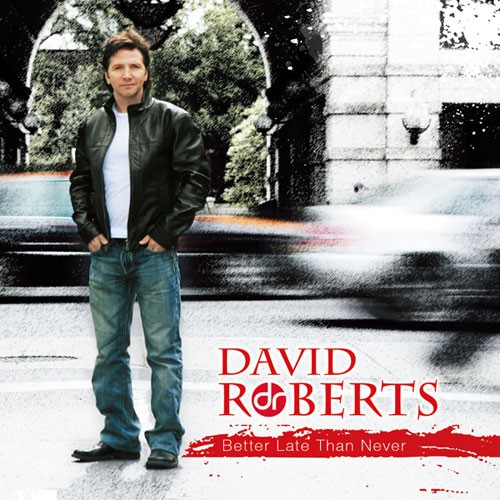
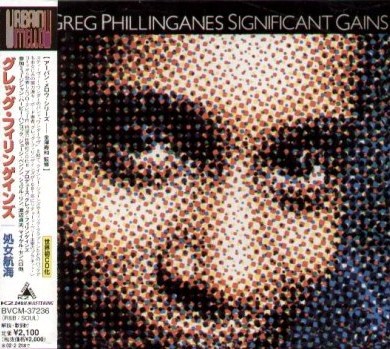
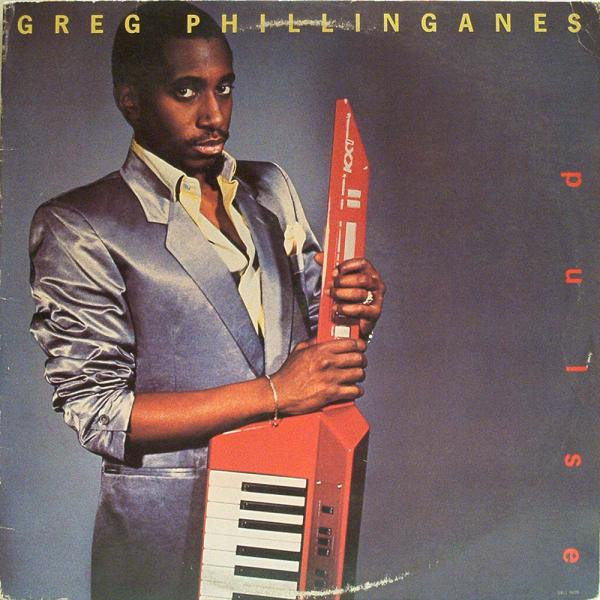
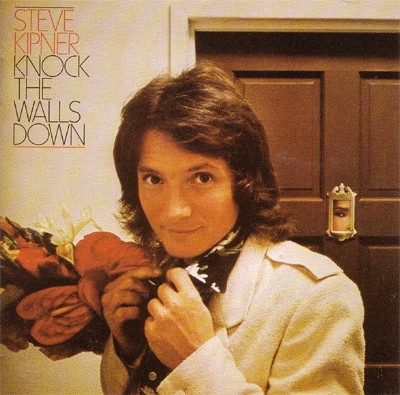
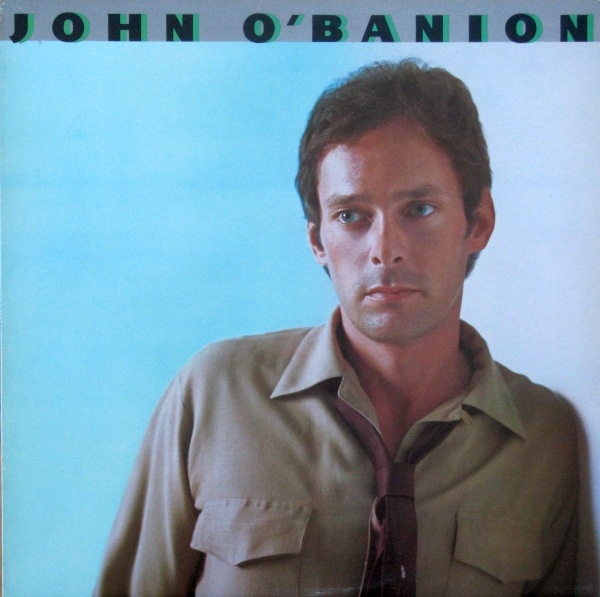
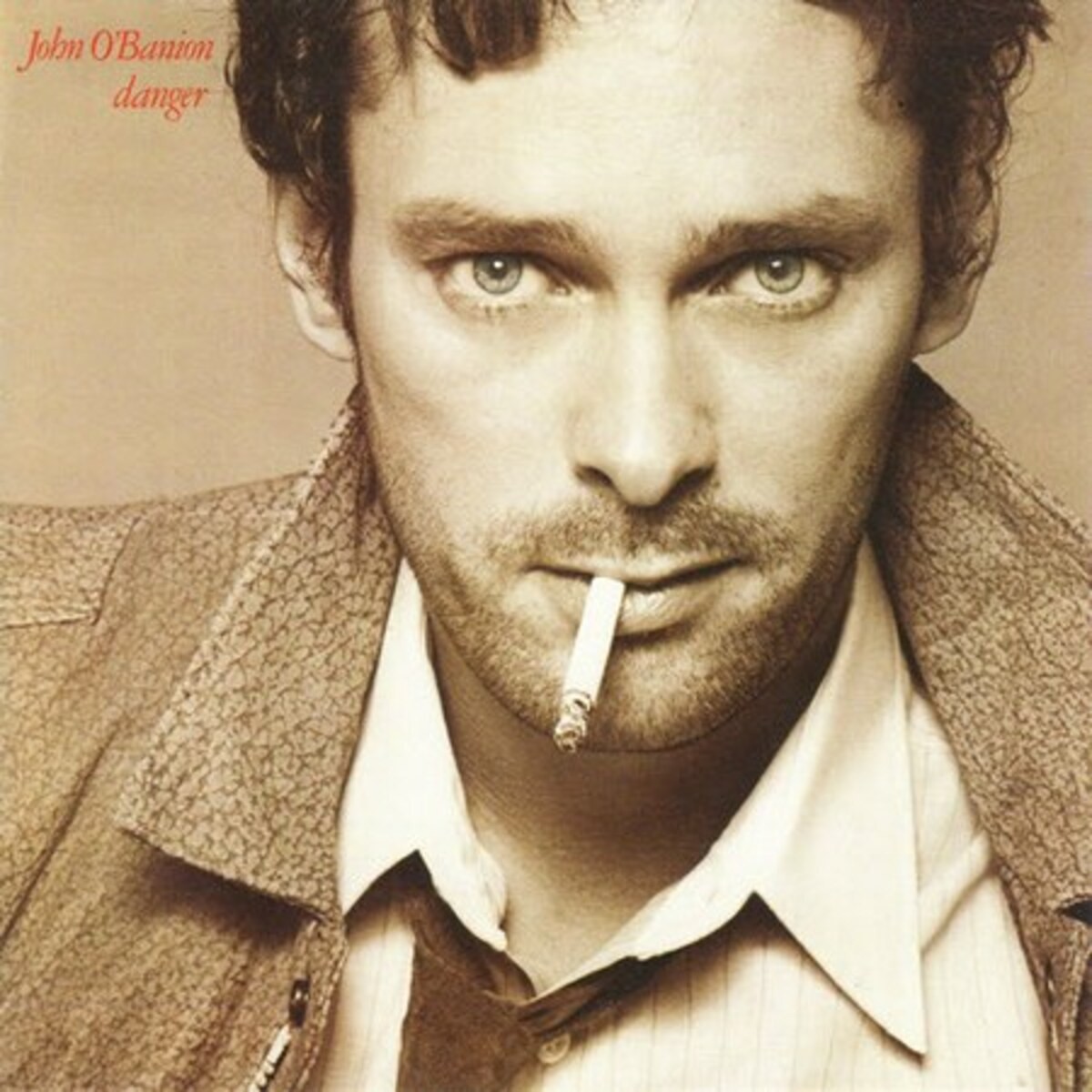
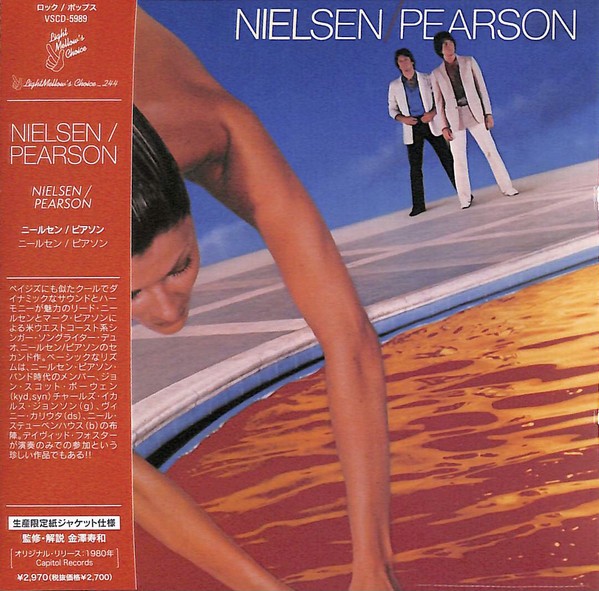
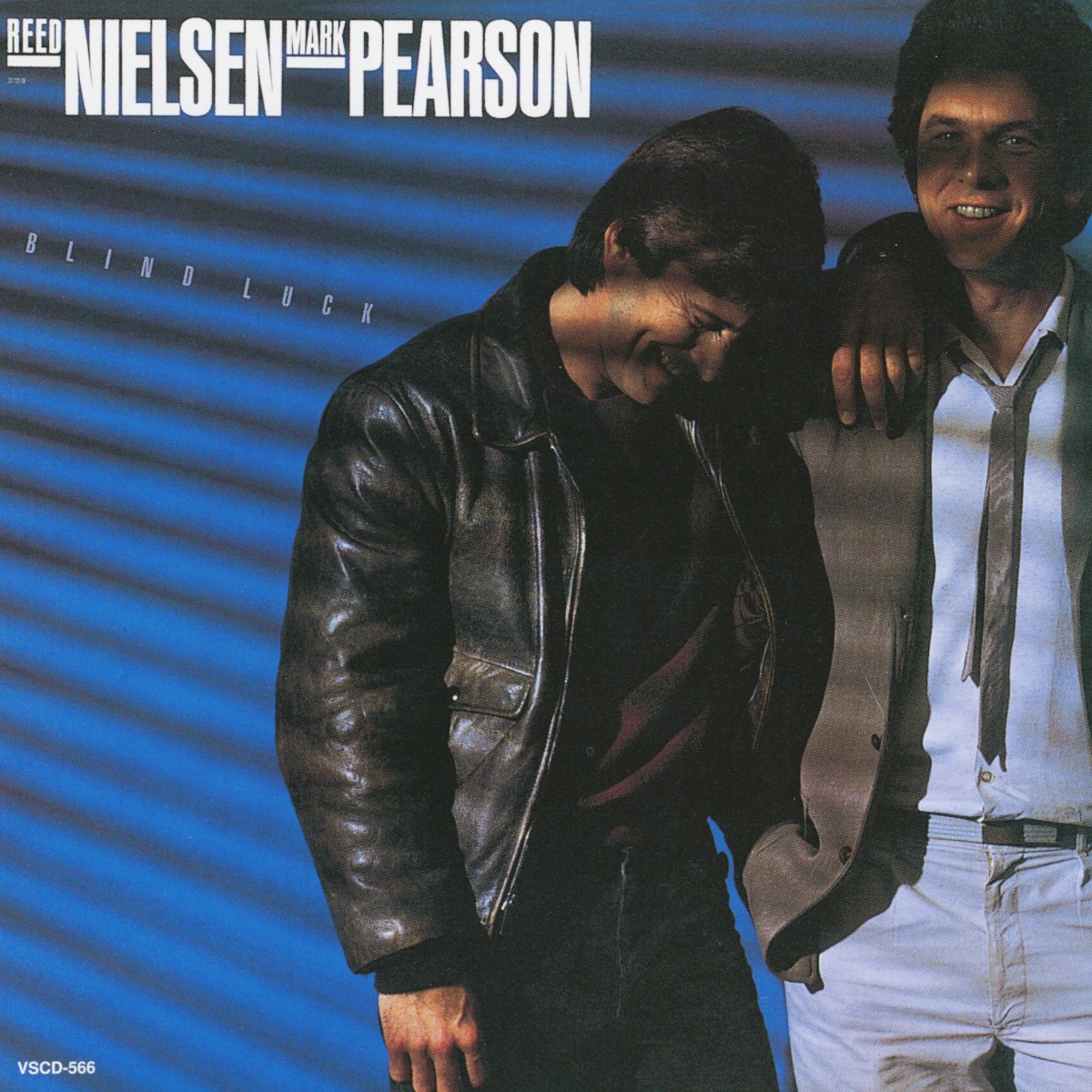
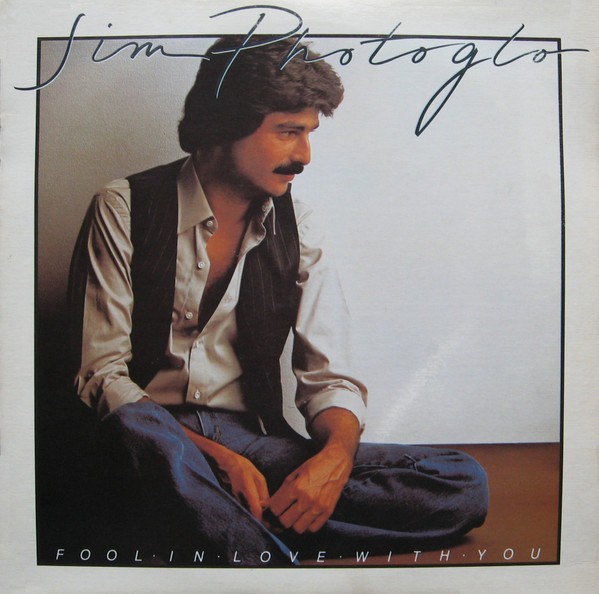
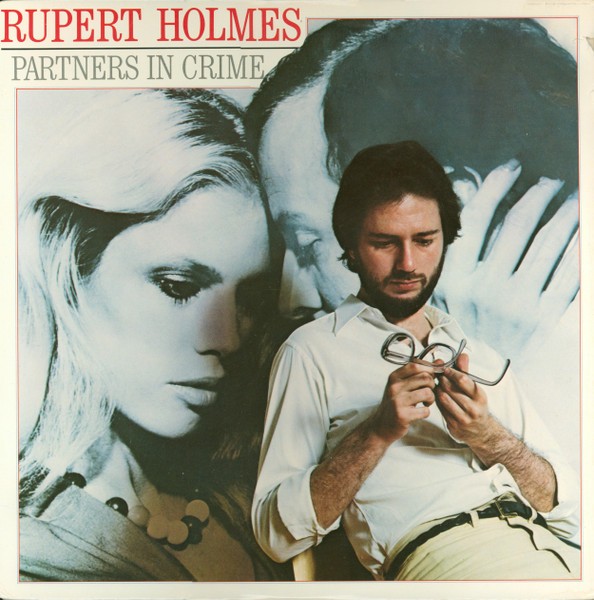
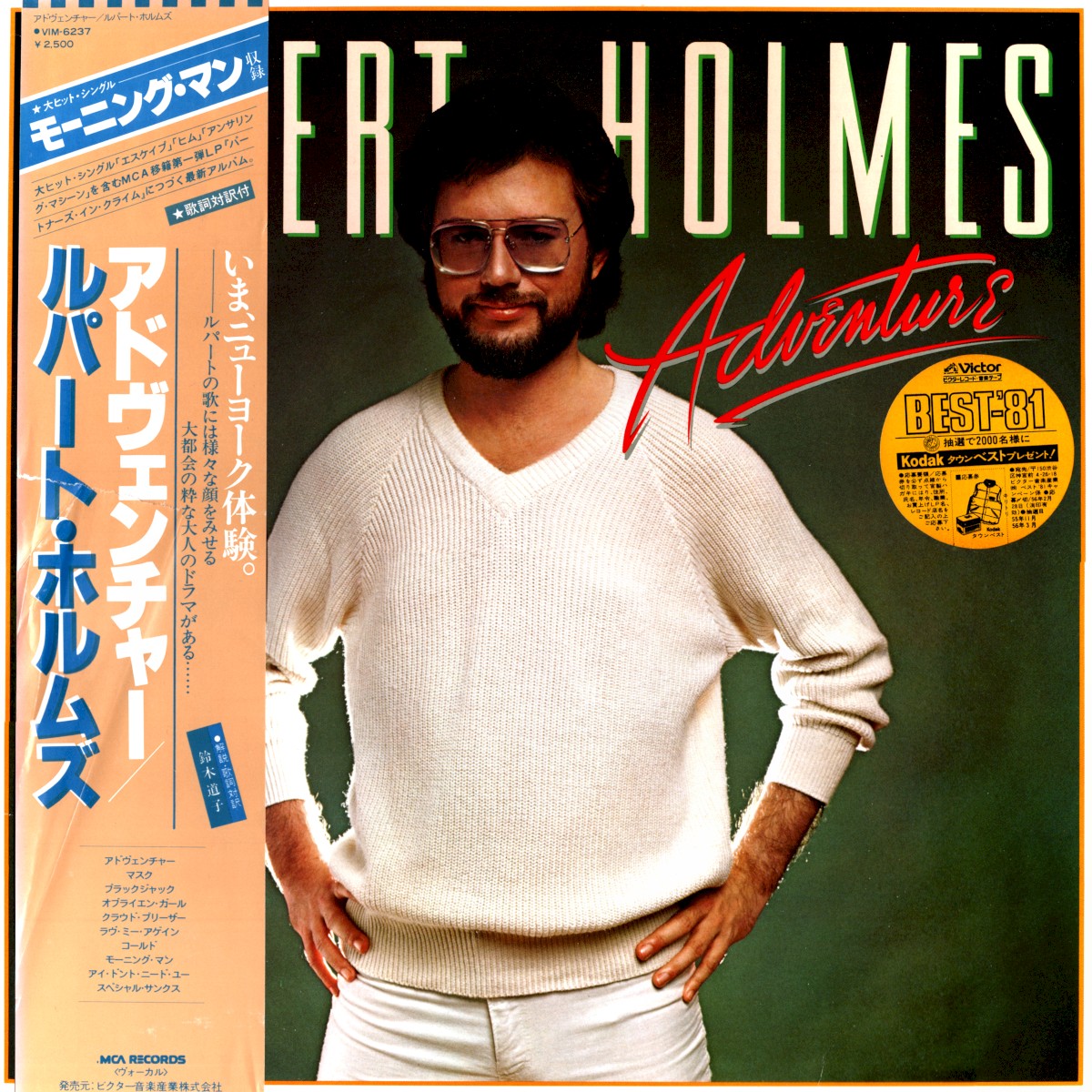
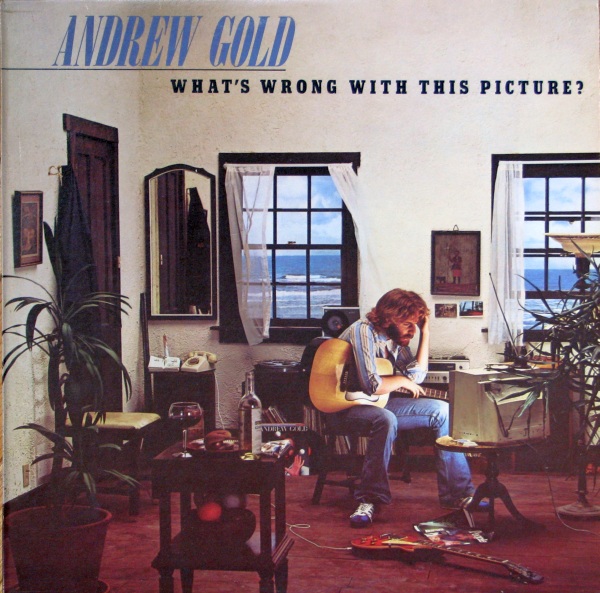
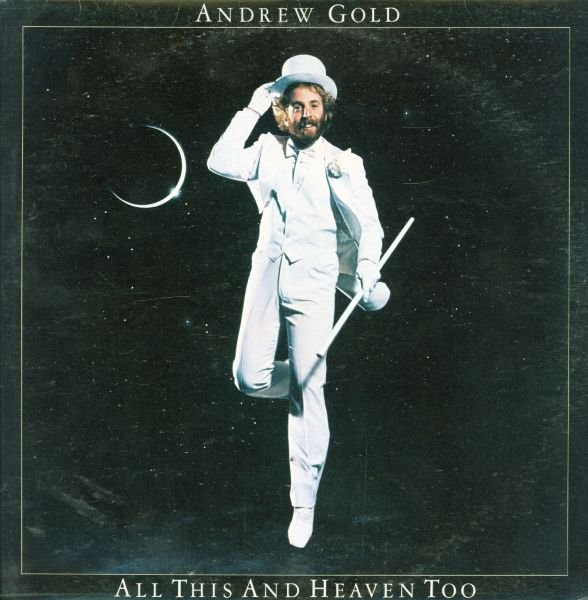
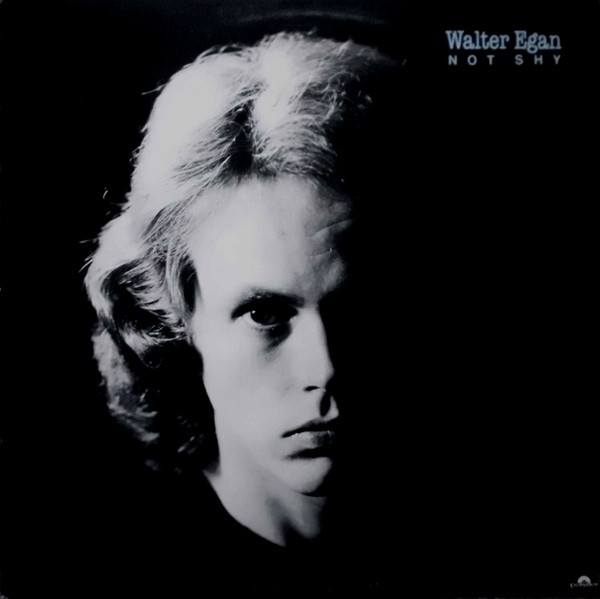
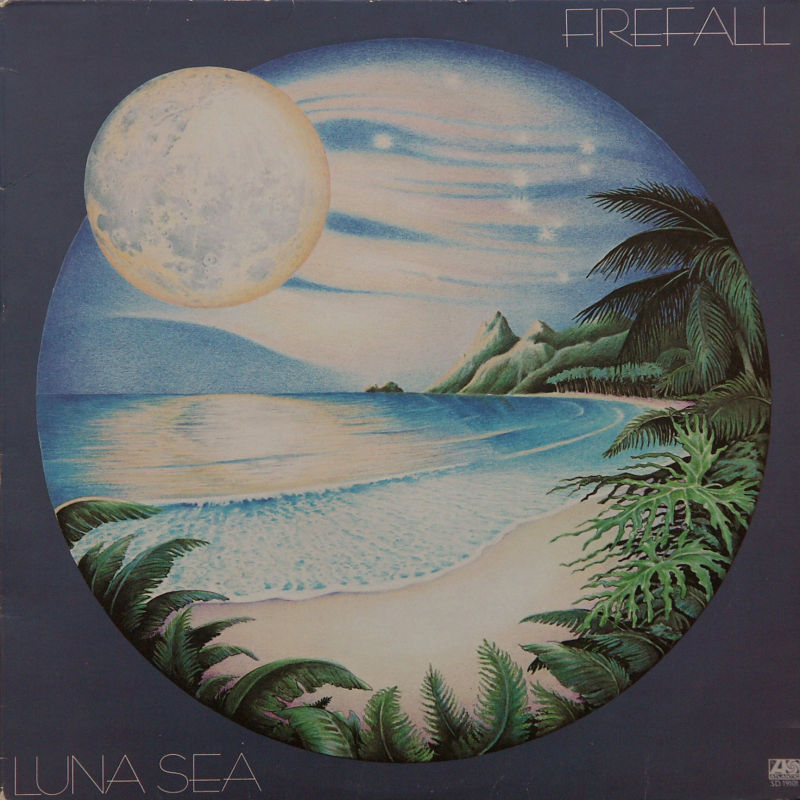
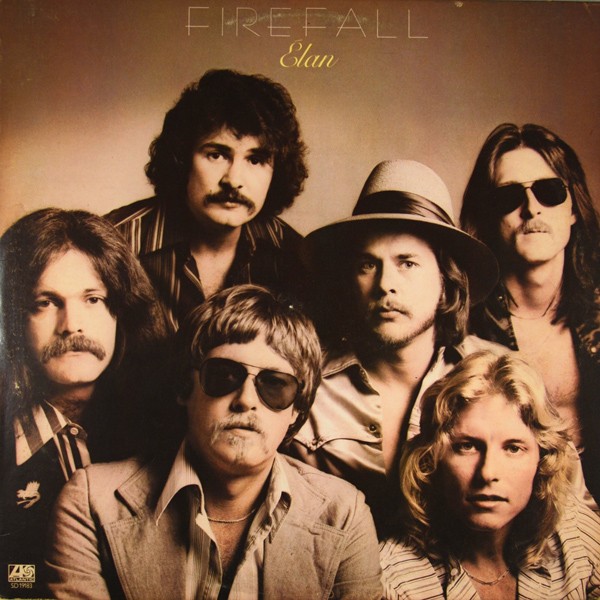
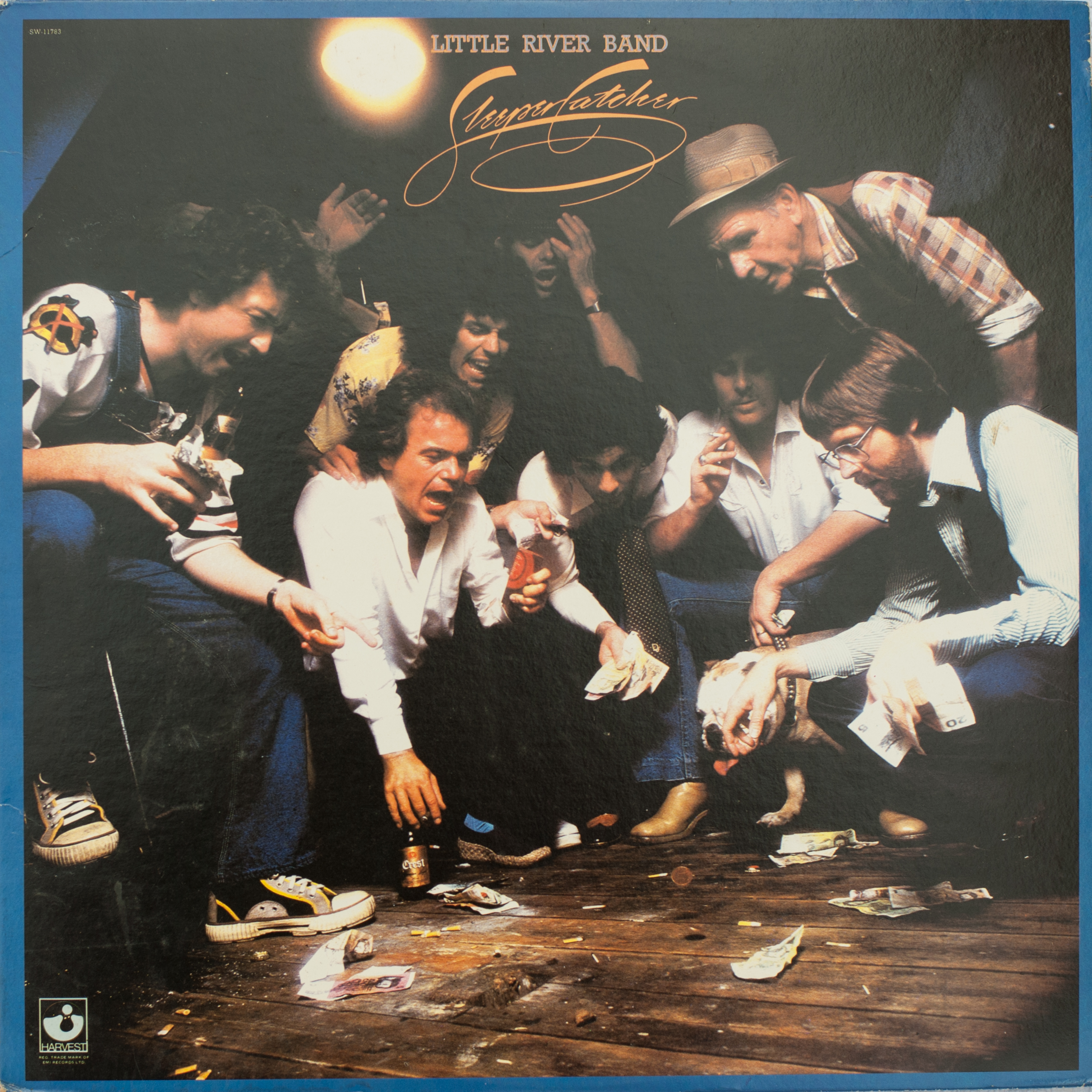
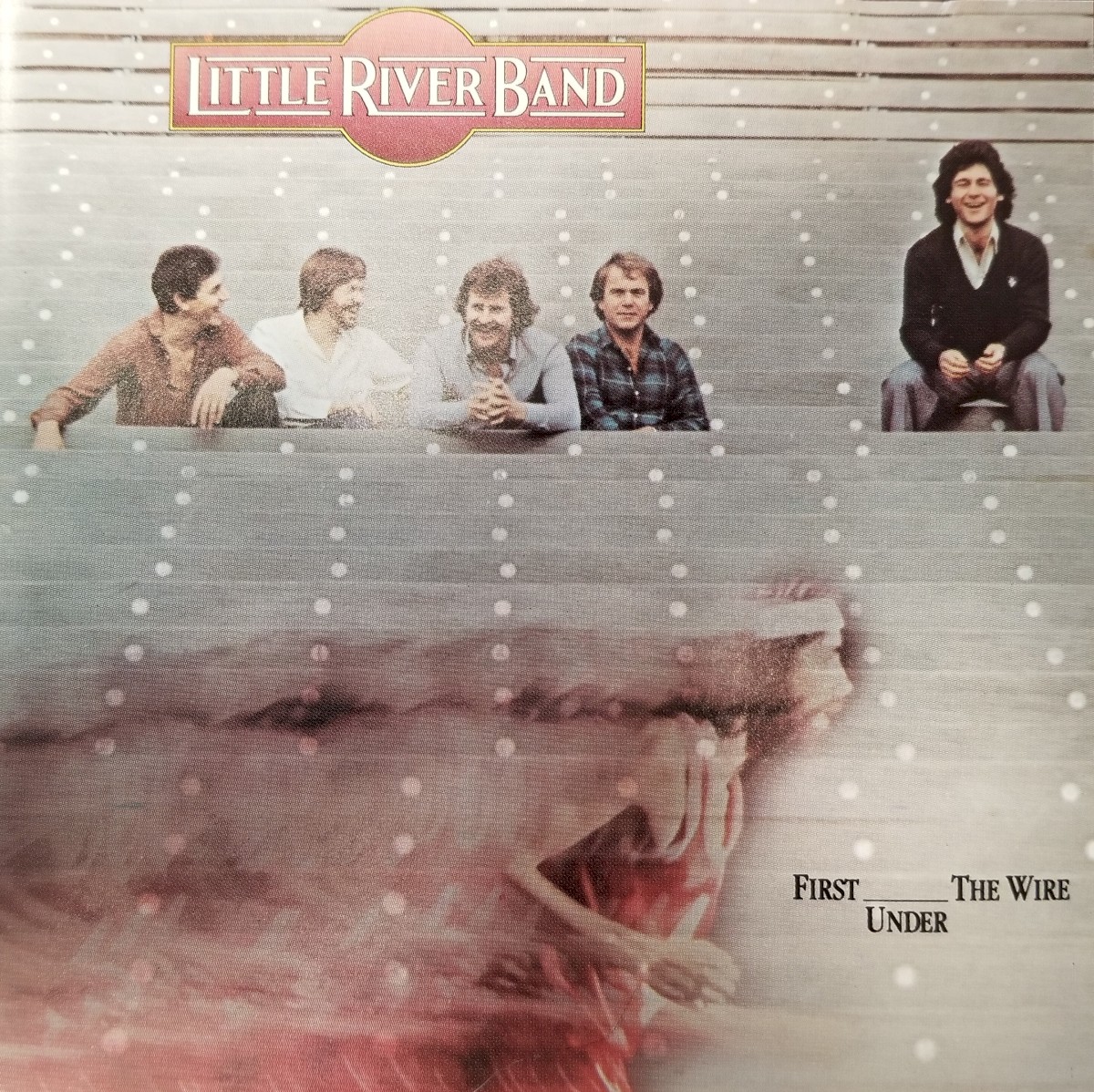
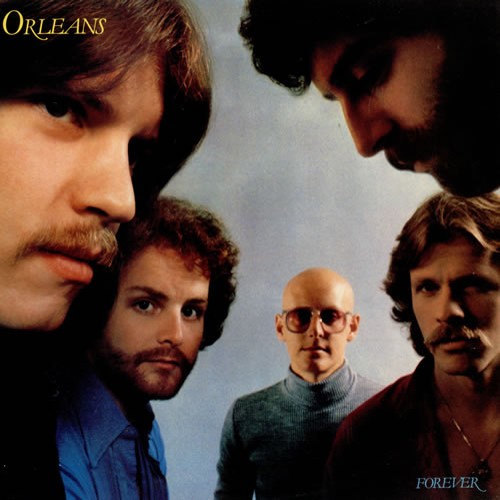
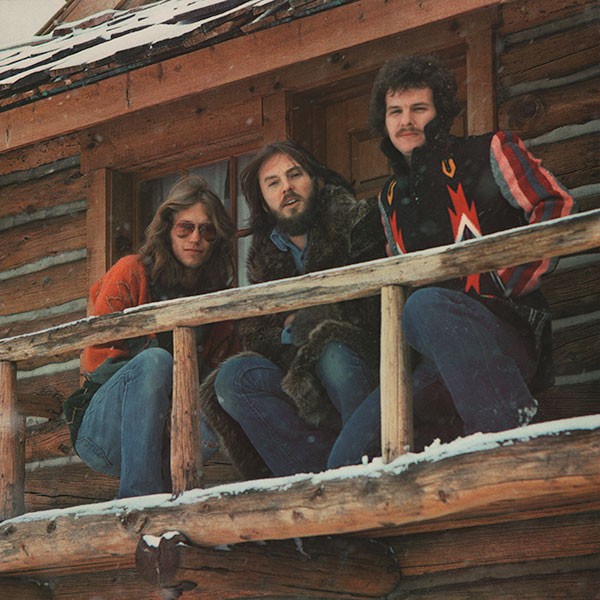
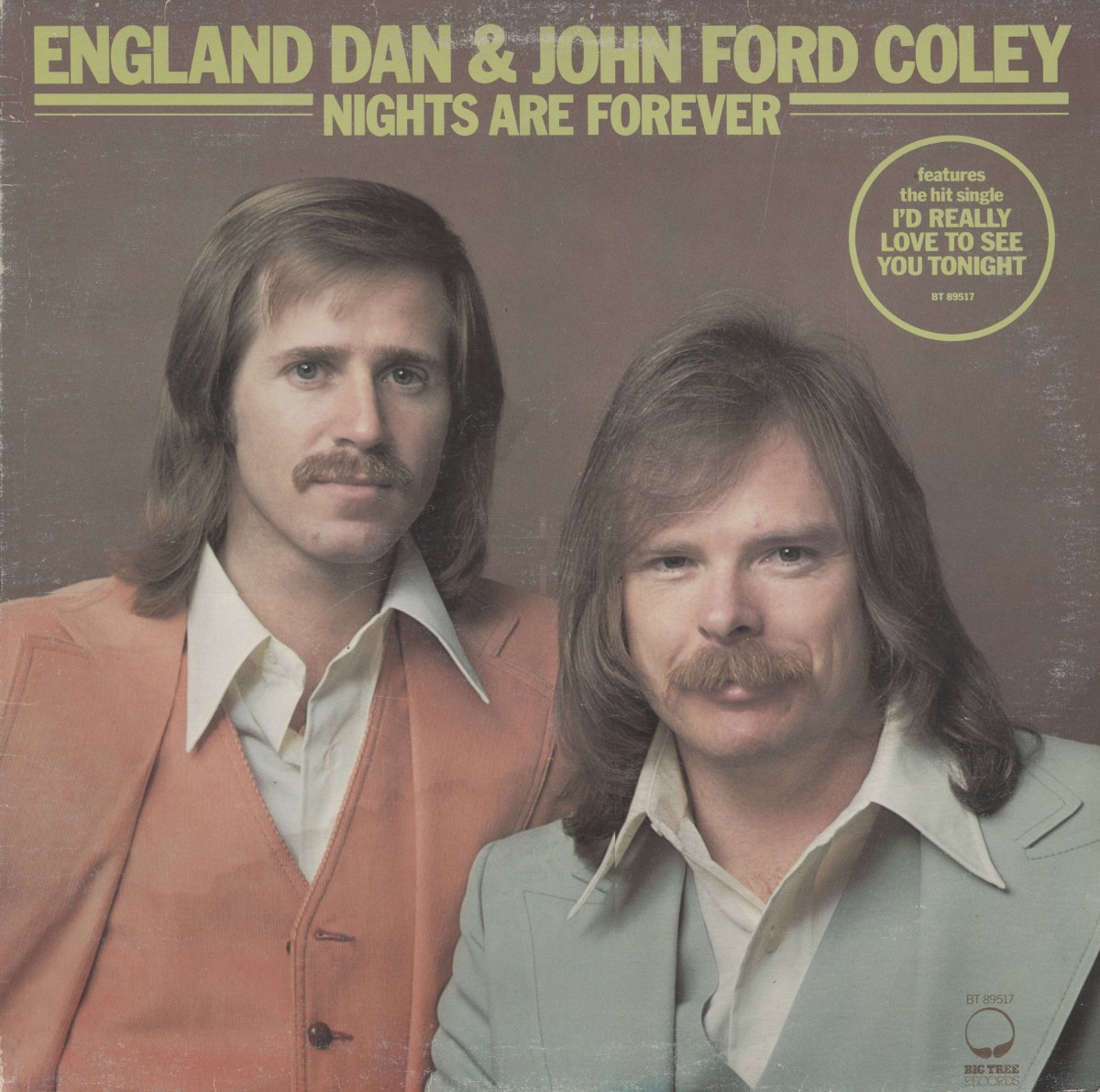
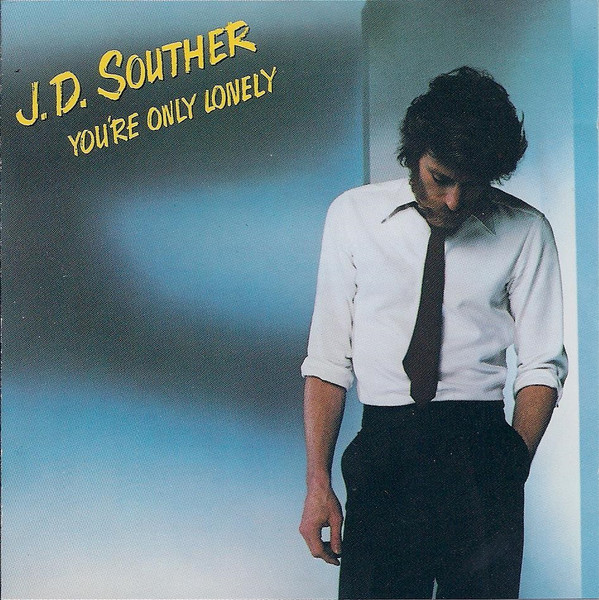
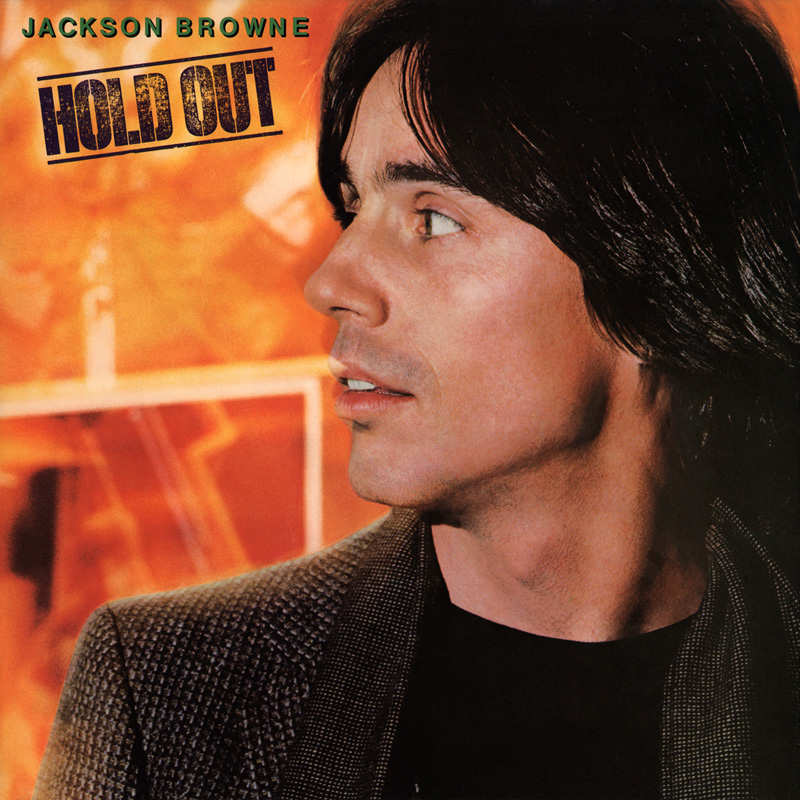
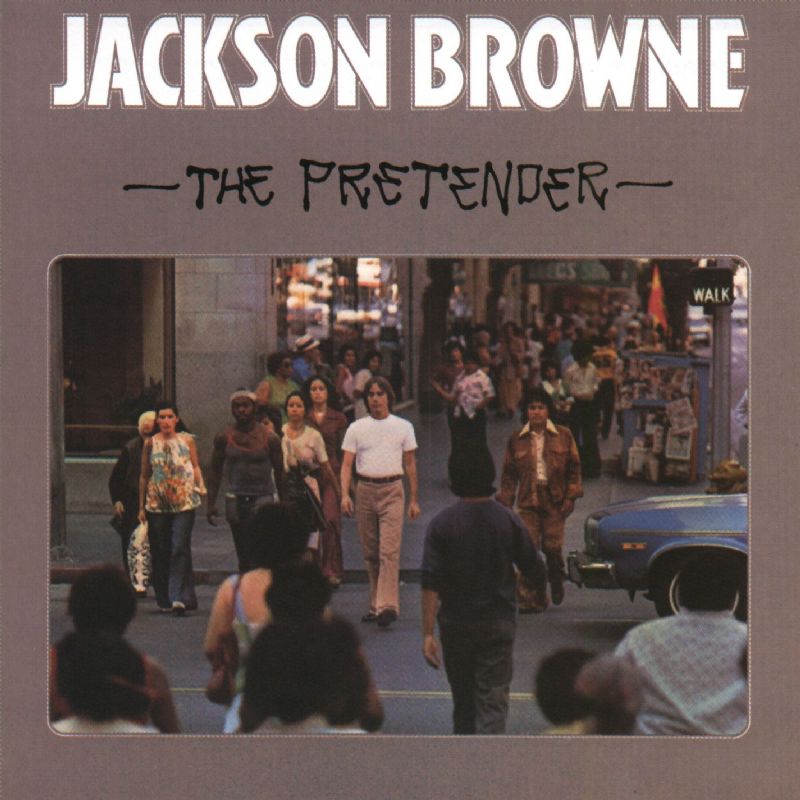
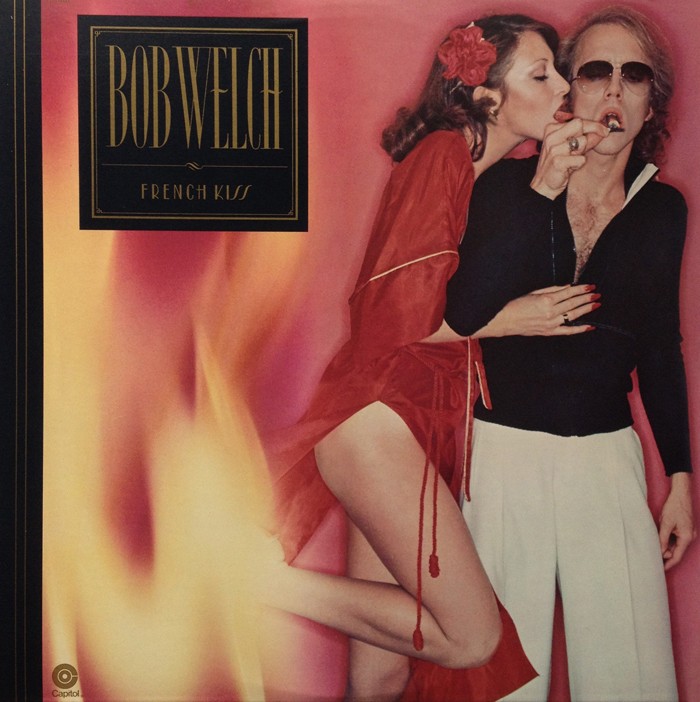
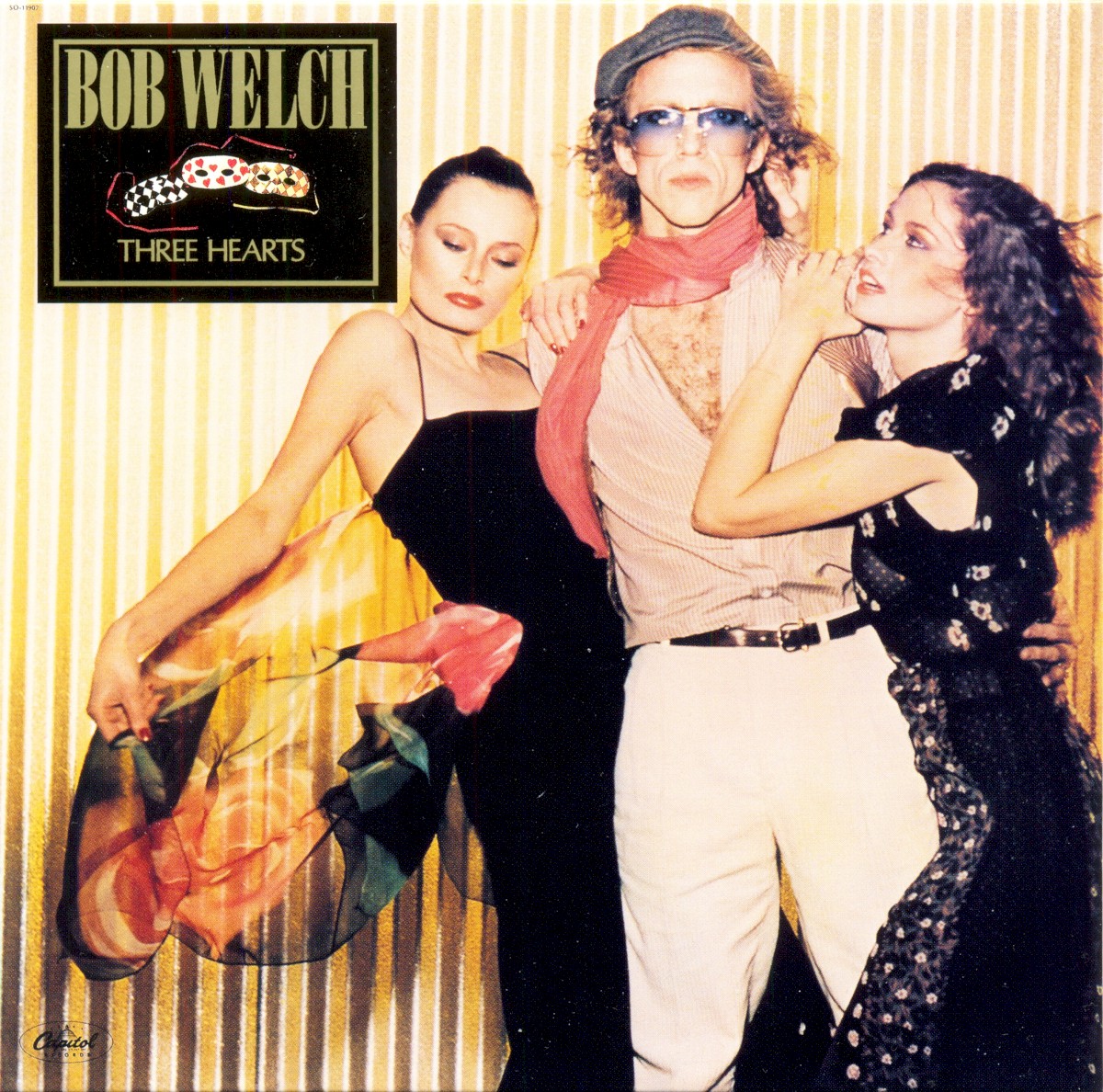
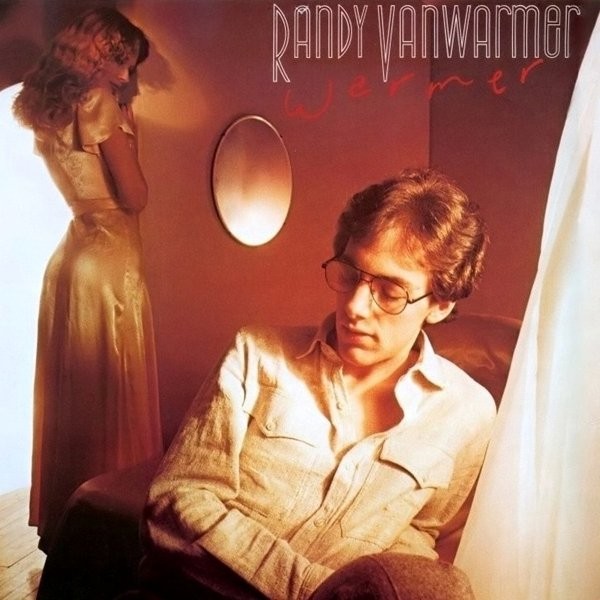
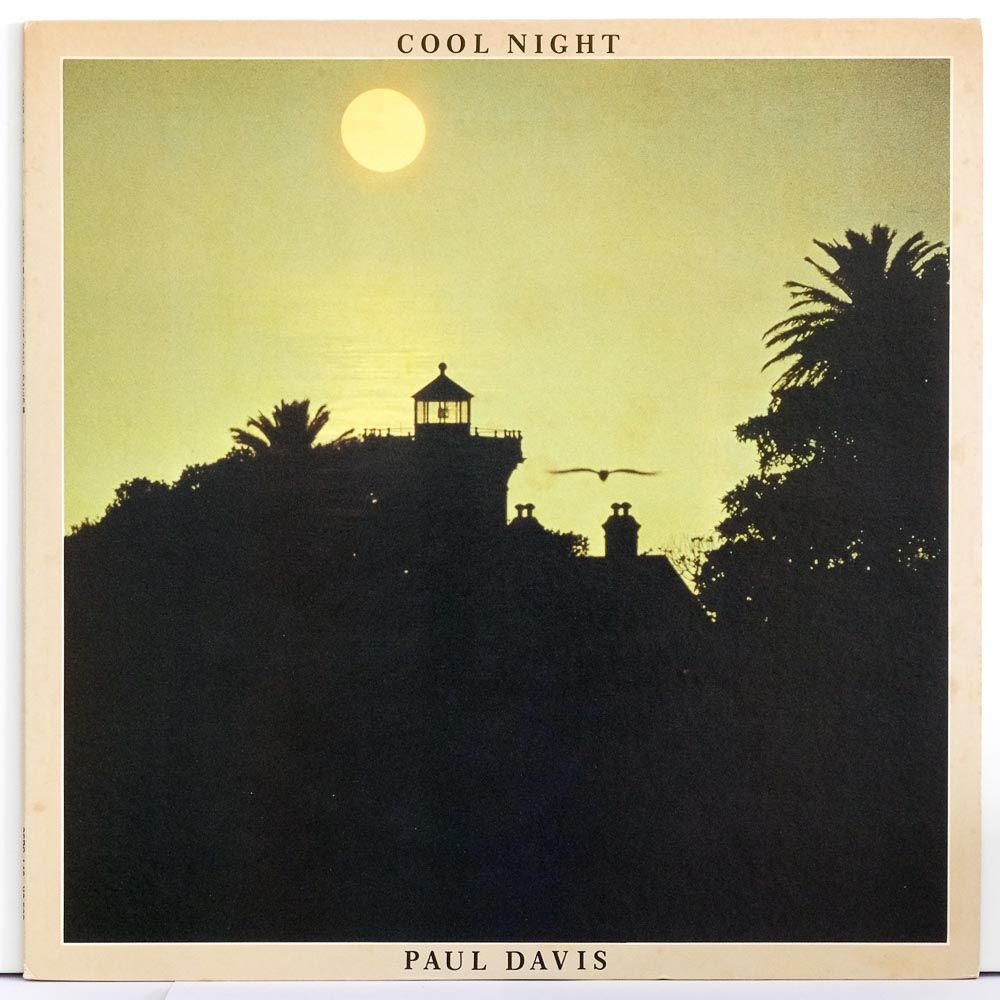
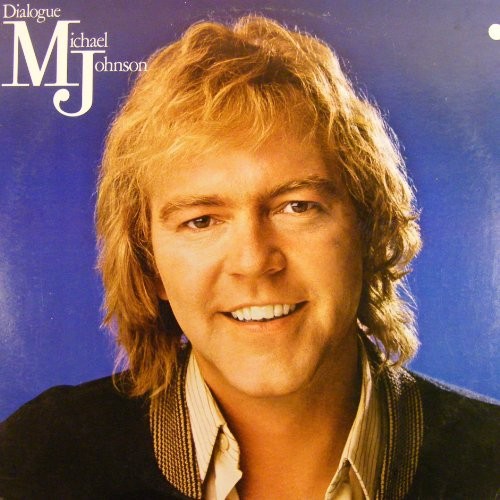
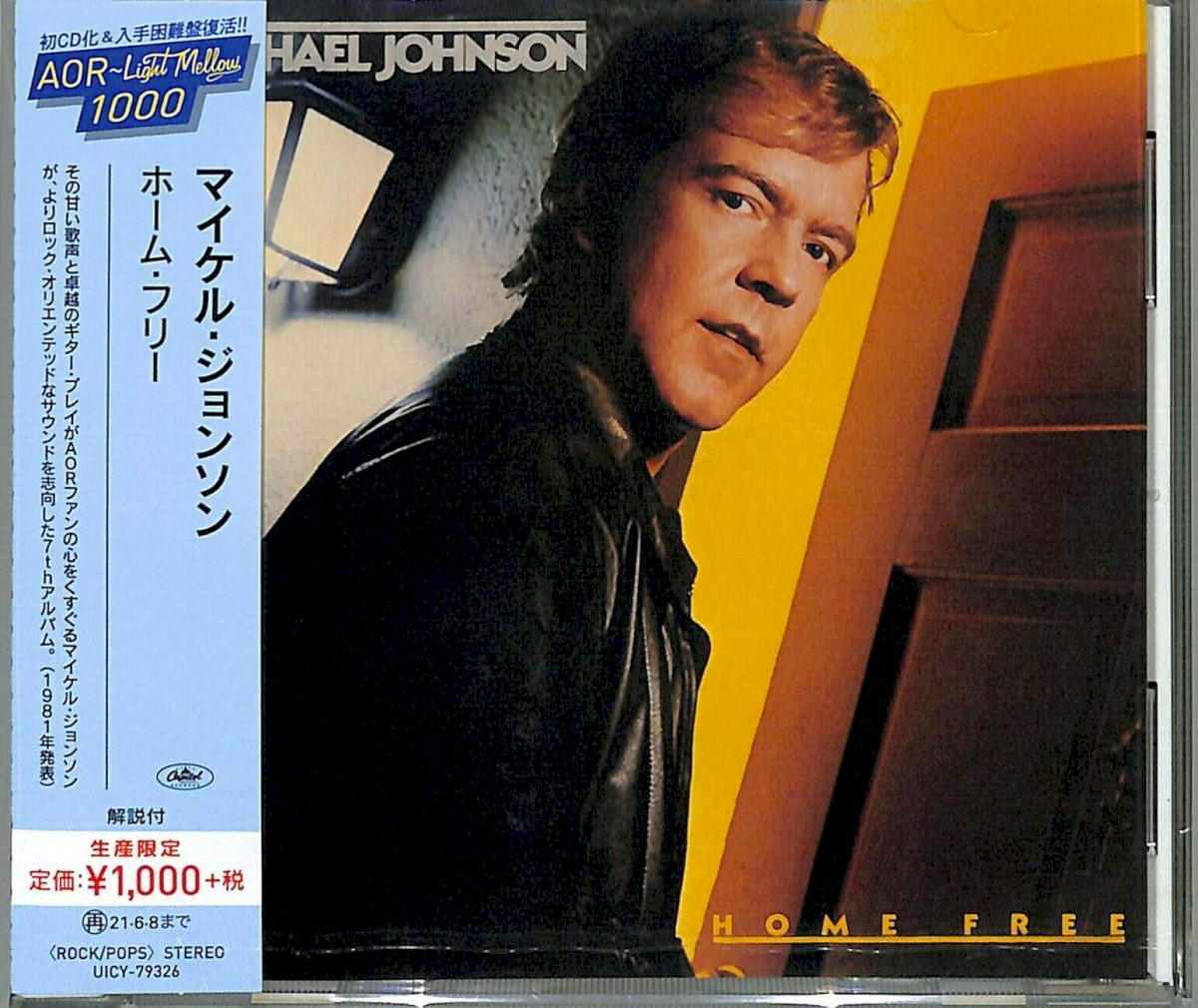
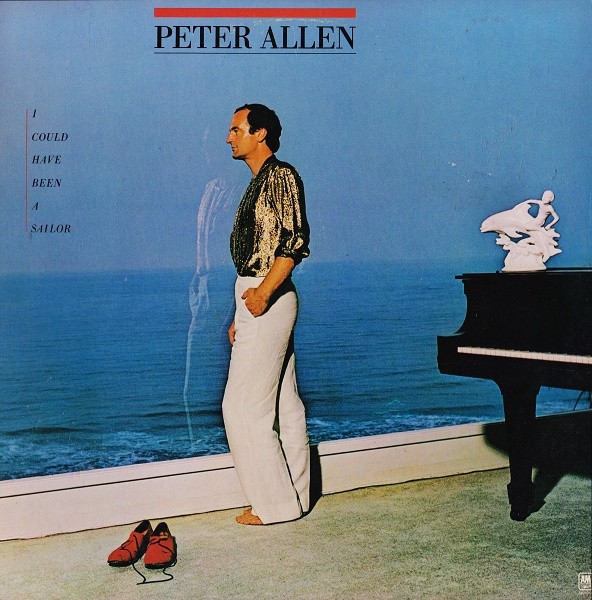
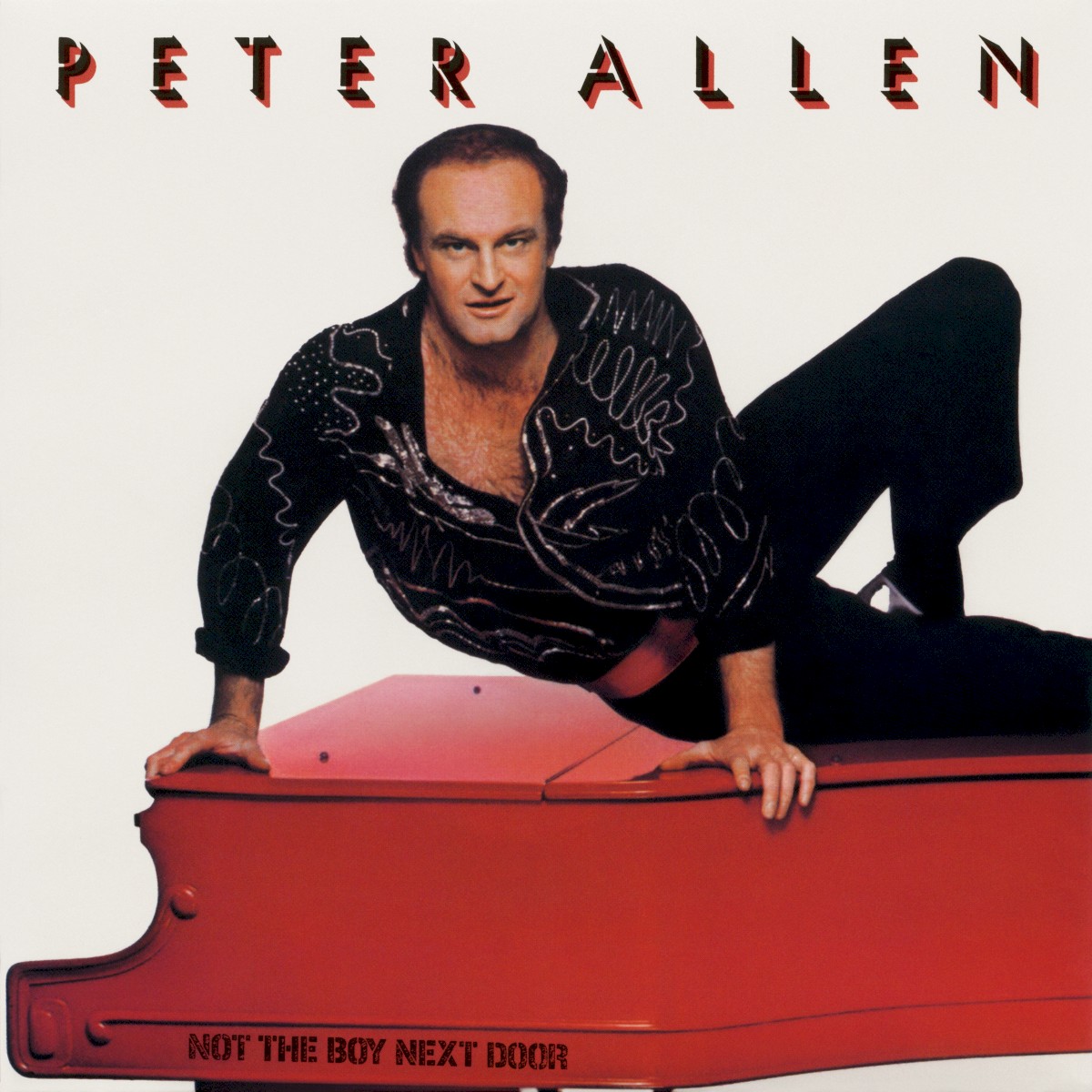
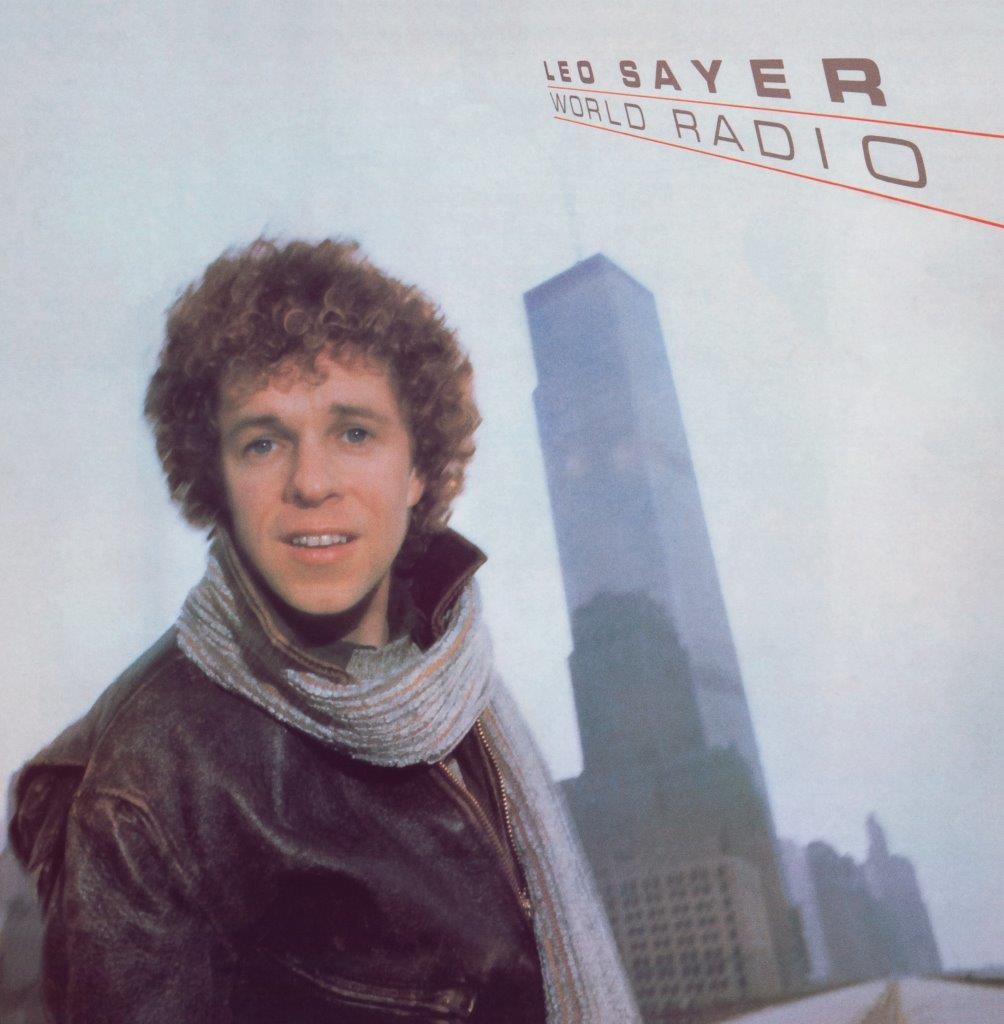
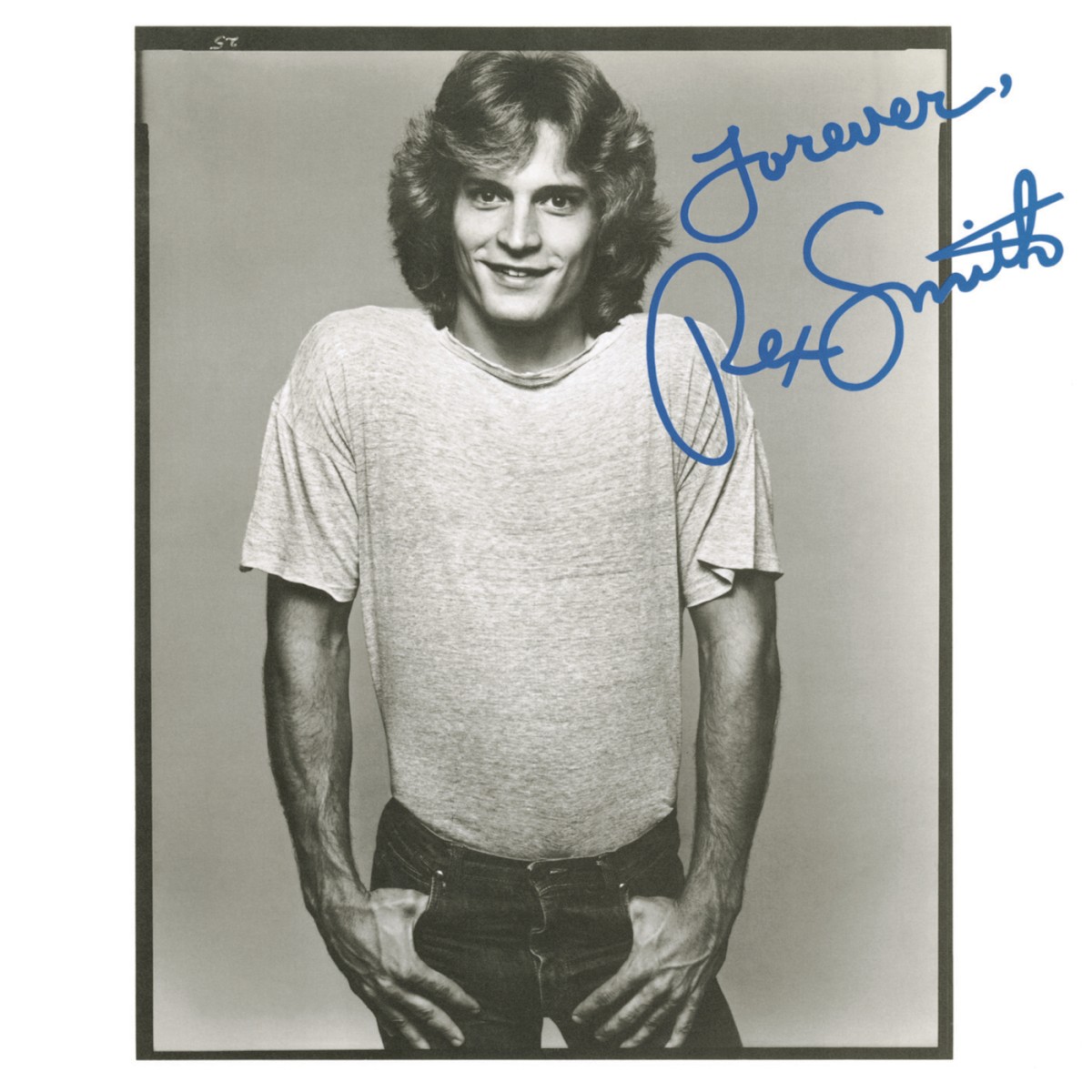
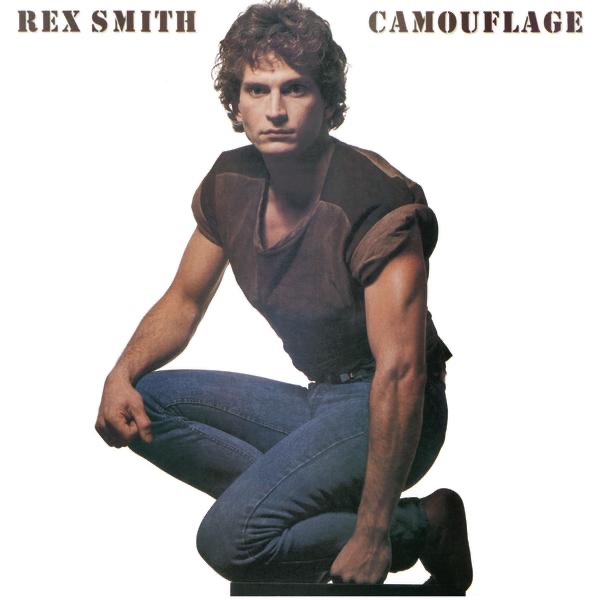
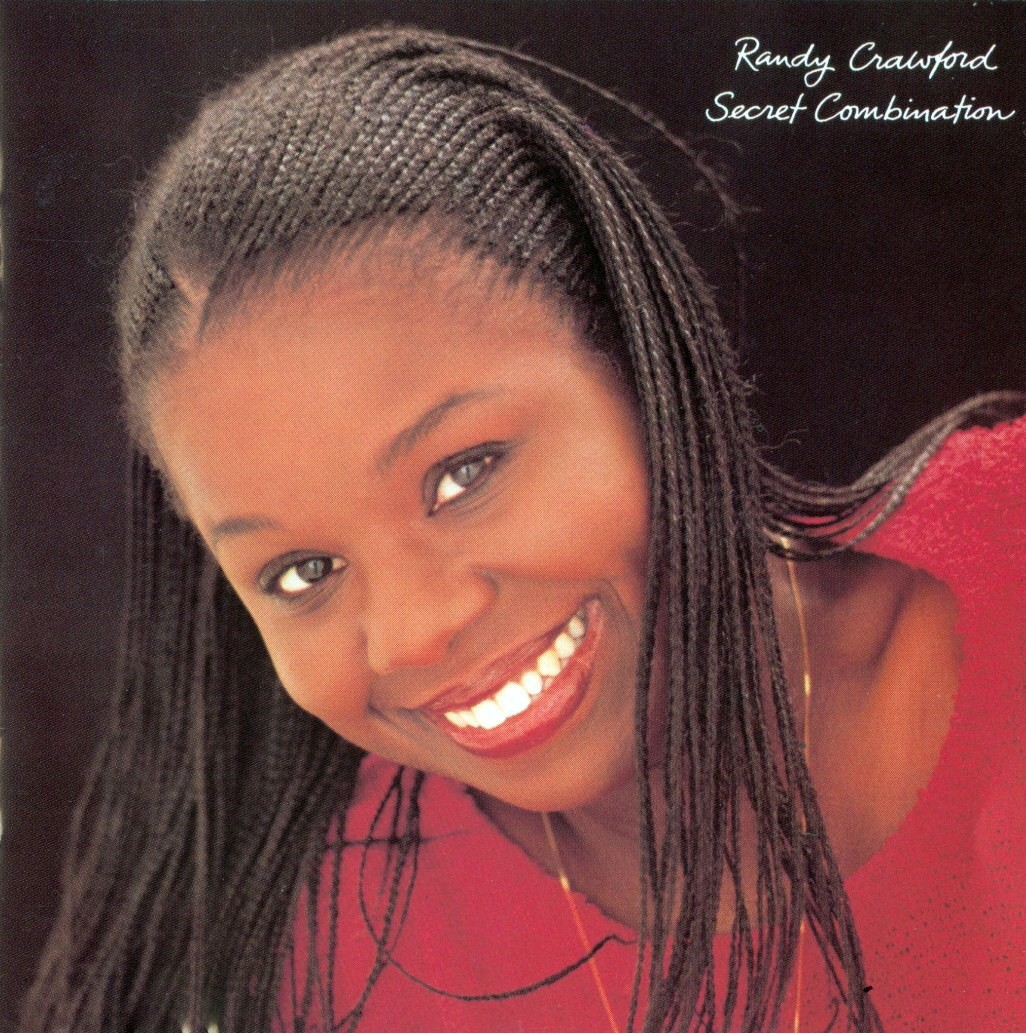
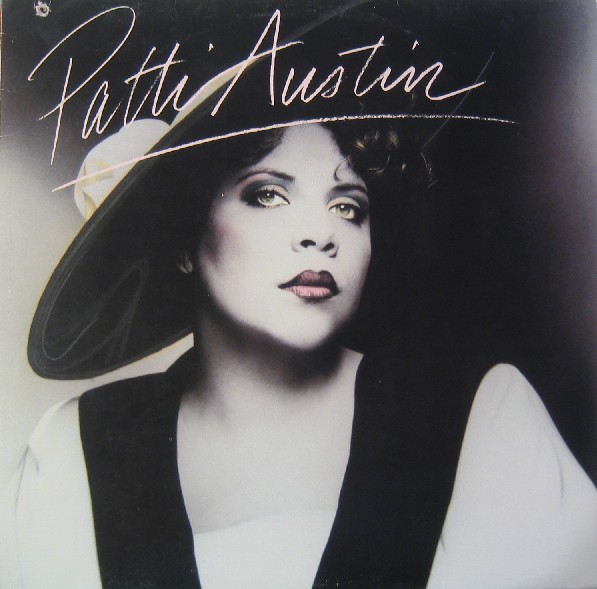
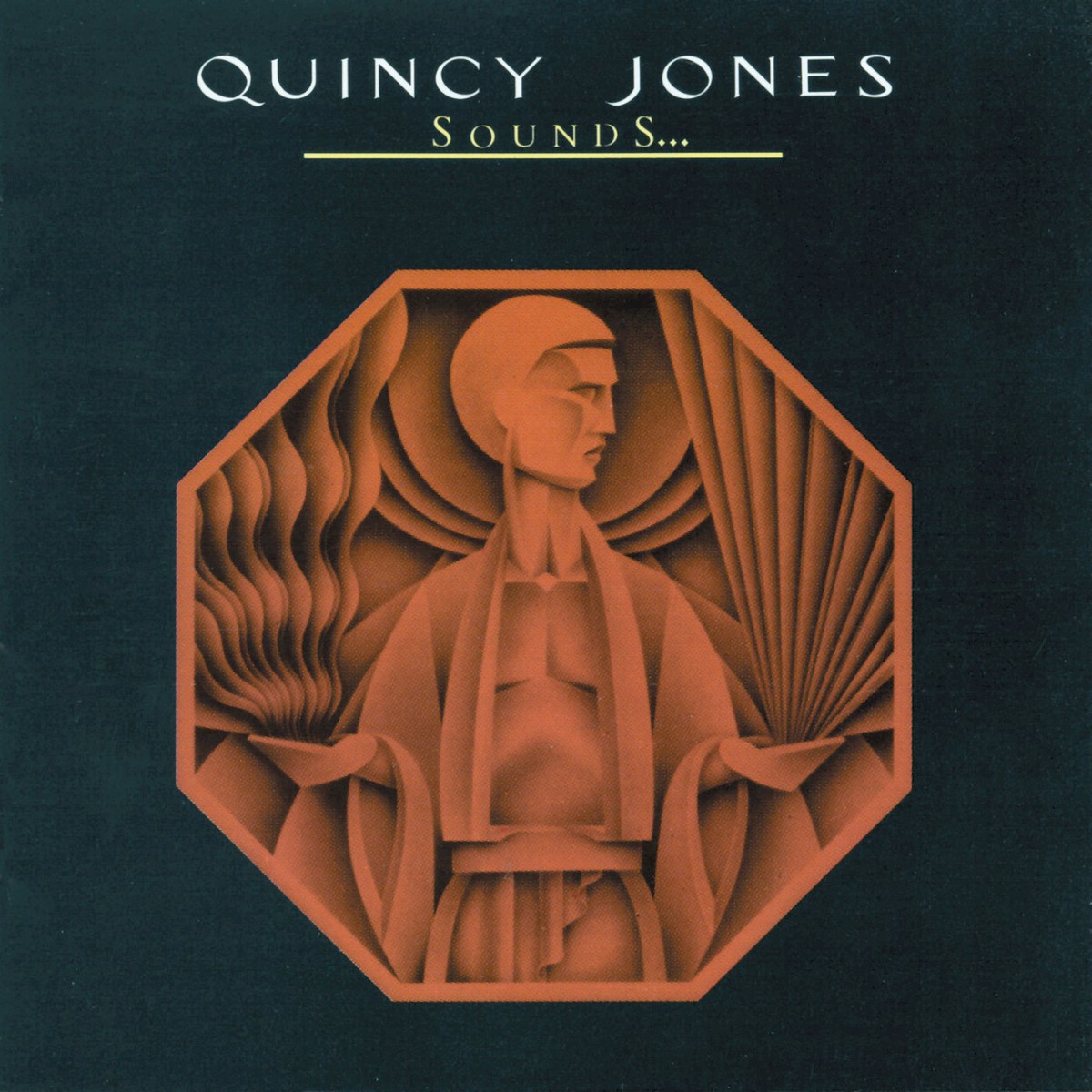
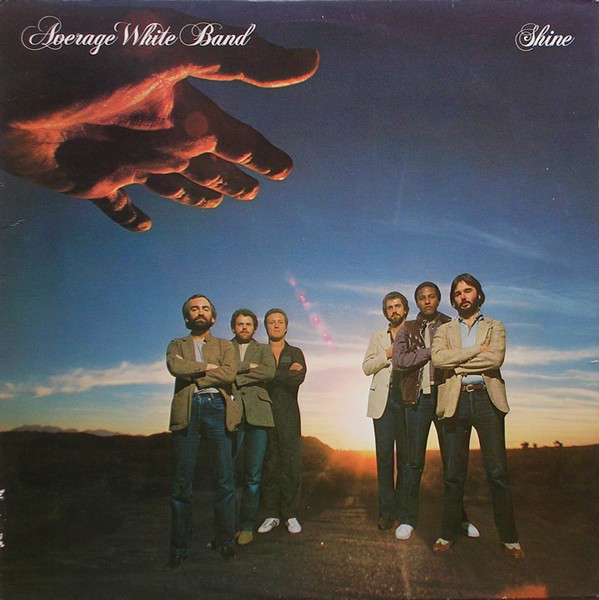
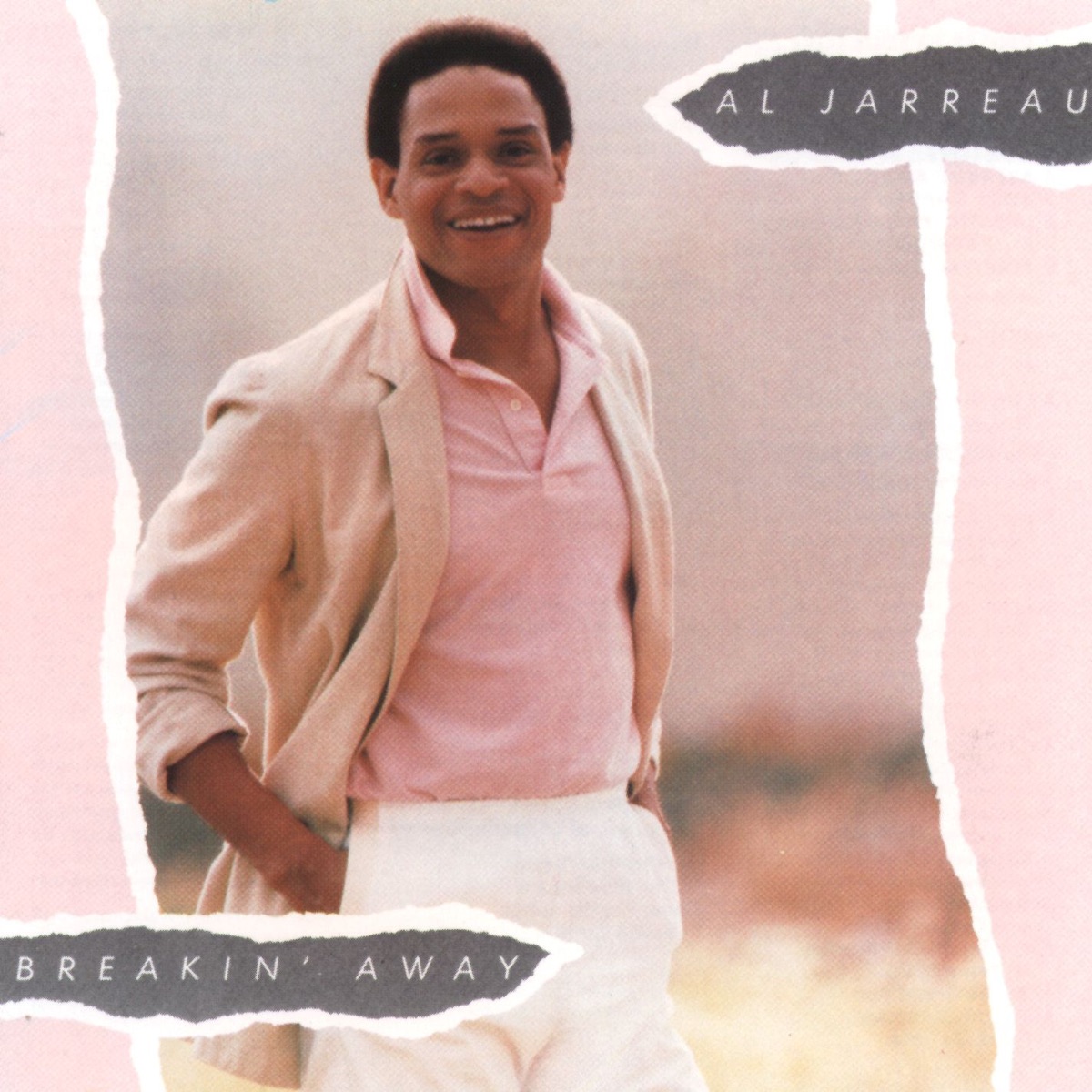
Boz Scaggs — Silk Degrees Ned Doheny — Hard Candy Christopher Cross — Christopher Cross Airplay — Airplay Toto — Hydra Bobby Caldwell — Cat in the Hat Al Jarreau — Breakin' Away Toto — IV Pages — Future Street Ambrosia — One Eighty Steely Dan — Gaucho Bill LaBounty — Bill LaBounty Michael McDonald — If That's What It Takes Player — Danger Zone The Doobie Brothers — Minute by Minute Marc Jordan — Blue Desert Little River Band — Time Exposure Robbie Dupree — Robbie Dupree David Roberts — All Dressed Up Jay Graydon — Airplay for the Planet Rex Smith — Sooner or Later Amy Holland — Amy Holland Boz Scaggs — Down Two Then Left Boz Scaggs — Middle Man The Doobie Brothers — One Step Closer Donald Fagen — The Nightfly Steely Dan — Aja Eagles — Hotel California Eagles — The Long Run George Benson — Give Me the Night Al Jarreau — Jarreau Kenny Loggins — High Adventure Kenny Loggins — Keep the Fire James Ingram — It's Your Night Patti Austin — Every Home Should Have One Quincy Jones — The Dude Lee Ritenour — Rit Bill Champlin — Runaway David Pack — Anywhere You Go Toto — Fahrenheit Pablo Cruise — Worlds Away America — Harbor Orleans — Waking and Dreaming Pages — Pages Gino Vannelli — Brother to Brother Leo Sayer — Endless Flight Stephen Bishop — Bish Peter Allen — Bi-Coastal Dane Donohue — Dane Donohue Karla Bonoff — Restless Nights Ambrosia — Life Beyond L.A. Ambrosia — Road Island Ned Doheny — Prone Ned Doheny — Ned Doheny Player — Player Player — Room with a View Pablo Cruise — A Place in the Sun Pablo Cruise — Part of the Game Pablo Cruise — Reflector Pages — Pages (1981) Pages — Pages (1985) Maxus — Maxus Larsen/Feiten Band — Larsen/Feiten Band Bill LaBounty — This Night Won't Last Forever Bill LaBounty — Rain in My Life Marc Jordan — Mannequin Marc Jordan — A Hole in the Wall Robbie Dupree — Street Corner Heroes Stephen Bishop — Careless Stephen Bishop — Red Cab to Manhattan Karla Bonoff — Karla Bonoff Karla Bonoff — Wild Heart of the Young Nicolette Larson — Nicolette Nicolette Larson — In the Nick of Time Christopher Cross — Another Page Kenny Loggins — Celebrate Me Home Kenny Loggins — Nightwatch Michael McDonald — No Lookin' Back The Doobie Brothers — Livin' on the Fault Line The Doobie Brothers — Takin' It to the Streets Toto — Toto Toto — Turn Back Toto — Isolation Boz Scaggs — Slow Dancer Bobby Caldwell — Bobby Caldwell Bobby Caldwell — Carry On Gino Vannelli — Nightwalker Gino Vannelli — Black Cars Al Jarreau — This Time Al Jarreau — L Is for Lover George Benson — Breezin' George Benson — In Your Eyes Lee Ritenour — Rit/2 Lee Ritenour — Banded Together Larry Carlton — Larry Carlton Larry Carlton — Sleepwalk Eric Tagg — Dreamwalkin' Eric Tagg — Rendez-Vous David Foster — The Best of Me Jay Graydon — Past to Present – The 70s Bill Champlin — Single Bill Champlin — No Wasted Moments Dwayne Ford — Needless Freaking Dane Donohue — Dane Donohue II David Roberts — Better Late Than Never Michael Sembello — Bossa Nova Hotel Greg Phillinganes — Significant Gains Greg Phillinganes — Pulse Steve Kipner — Knock the Walls Down John O'Banion — John O'Banion John O'Banion — Danger Nielsen/Pearson — Nielsen/Pearson Nielsen/Pearson — Blind Luck Jim Photoglo — Photoglo Jim Photoglo — Fool in Love with You Rupert Holmes — Partners in Crime Rupert Holmes — Adventure Andrew Gold — What's Wrong with This Picture? Andrew Gold — All This and Heaven Too Walter Egan — Not Shy Firefall — Luna Sea Firefall — Elan Little River Band — Sleeper Catcher Little River Band — First Under the Wire Orleans — Forever America — Hideaway Seals & Crofts — Get Closer England Dan & John Ford Coley — Nights Are Forever Dan Fogelberg — Phoenix J.D. Souther — You're Only Lonely Jackson Browne — Hold Out Jackson Browne — The Pretender Bob Welch — French Kiss Bob Welch — Three Hearts Randy VanWarmer — Warmer Paul Davis — Cool Night Michael Johnson — Dialogue Michael Johnson — Home Free Peter Allen — I Could Have Been a Sailor Peter Allen — Not the Boy Next Door Leo Sayer — Living in a Fantasy Leo Sayer — World Radio Rex Smith — Forever Rex Smith — Camouflage Amy Holland — On Your Every Word Brenda Russell — Brenda Russell Randy Crawford — Secret Combination Patti Austin — Patti Austin Quincy Jones — Sounds...and Stuff Like That!! Average White Band — Shine
Body & Aesthetics
The World Before
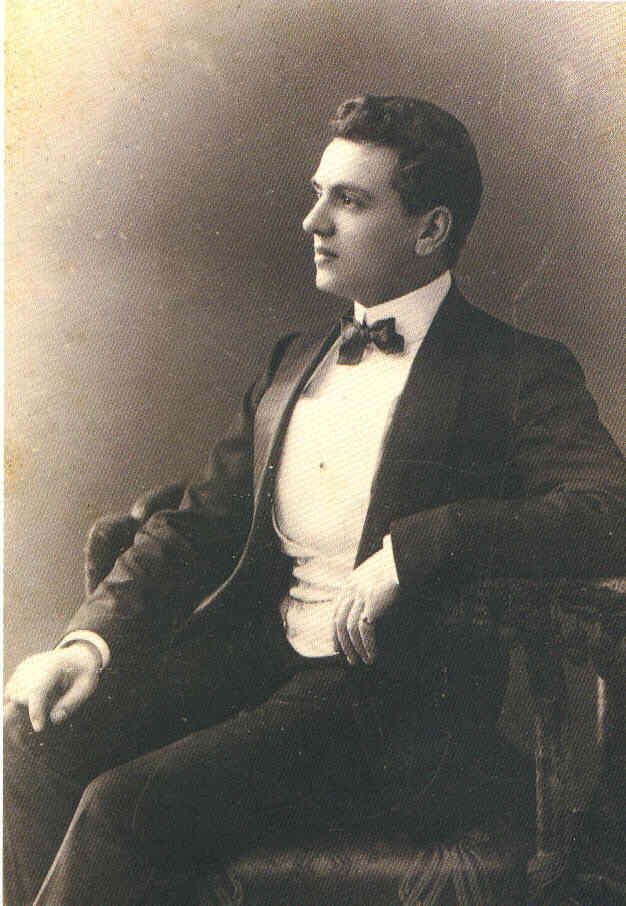
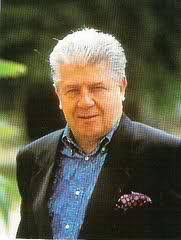
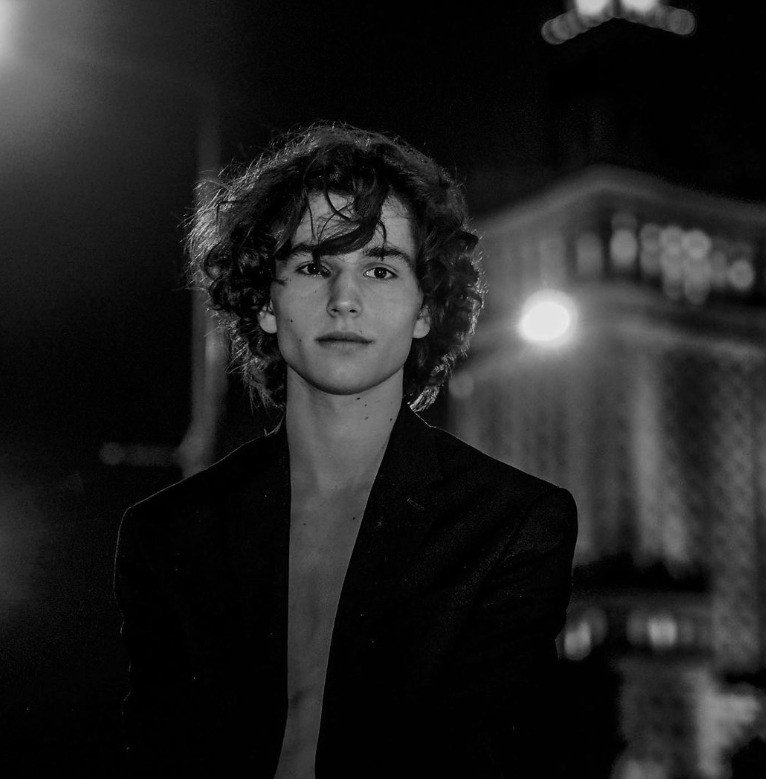
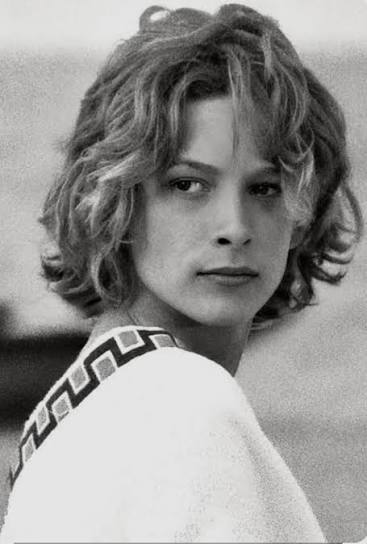
Daniel Walasek (21 yo) ❤️
|
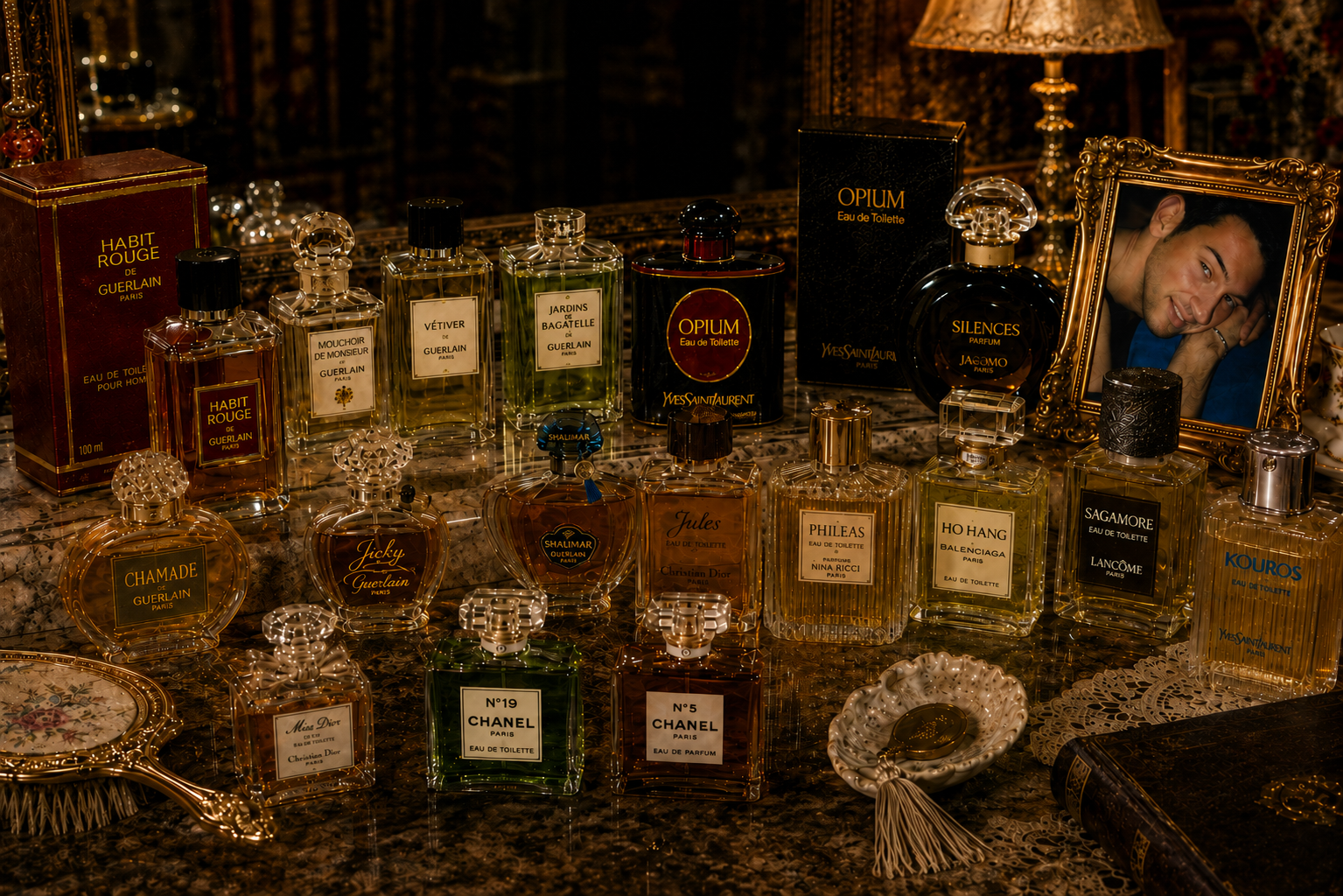
Fragrances and cosmetics
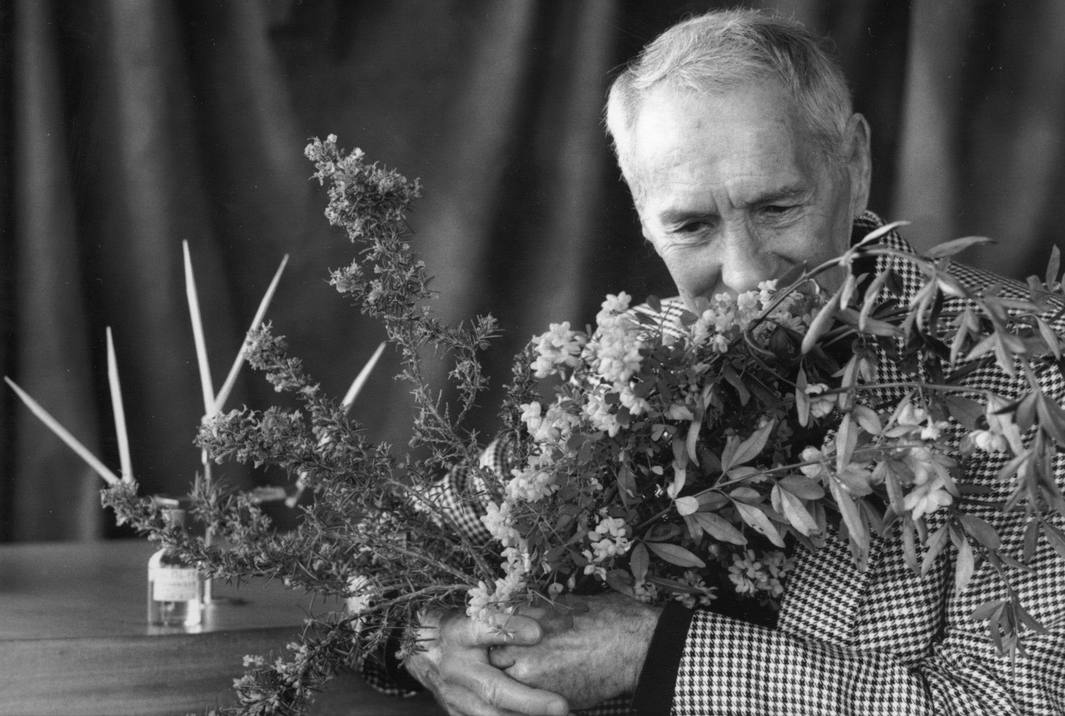
Perfume today is a world away from the fragrances of the past. Great French perfumery has been sacrificed — to commercial excesses, mass-market democratisation (which, whatever the field, inevitably leads to a levelling down), cost and marketing imperatives, and to an accumulation of absurd European restrictions and precautionary principles that have gradually stripped formulas of their richness, concentration and singularity. Little, if anything, remains of that art today. Most of the great houses have been bought up and absorbed into groups where profitability takes precedence over creation. Profit has ended up killing the art — and with it the freedom, audacity and sophistication that once made French perfumery great. Perfume today has become little more than deodorant, the result of harmful mass-market democratisation and commercial excesses. Perfume is a luxury art, born of materials, craftsmanship and time. Like any true art, it cannot be made commonplace without losing part of its soul: it must be deserved, and art has a price. From the 19th century onwards, modern perfumery established itself as a profoundly French art.
We know the names of the great perfume houses. But who knows the names of the people who actually created their fragrances?
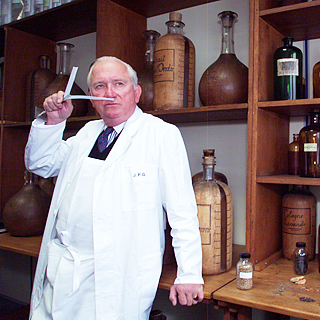
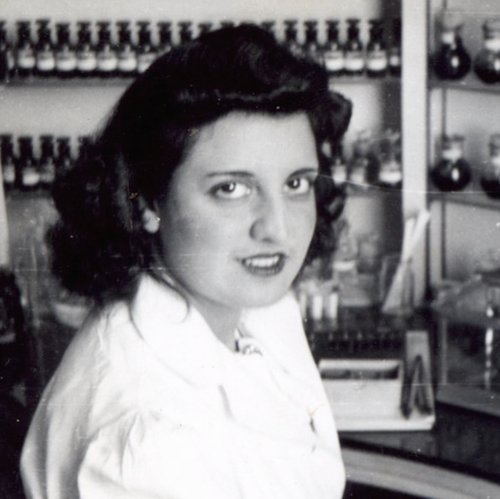
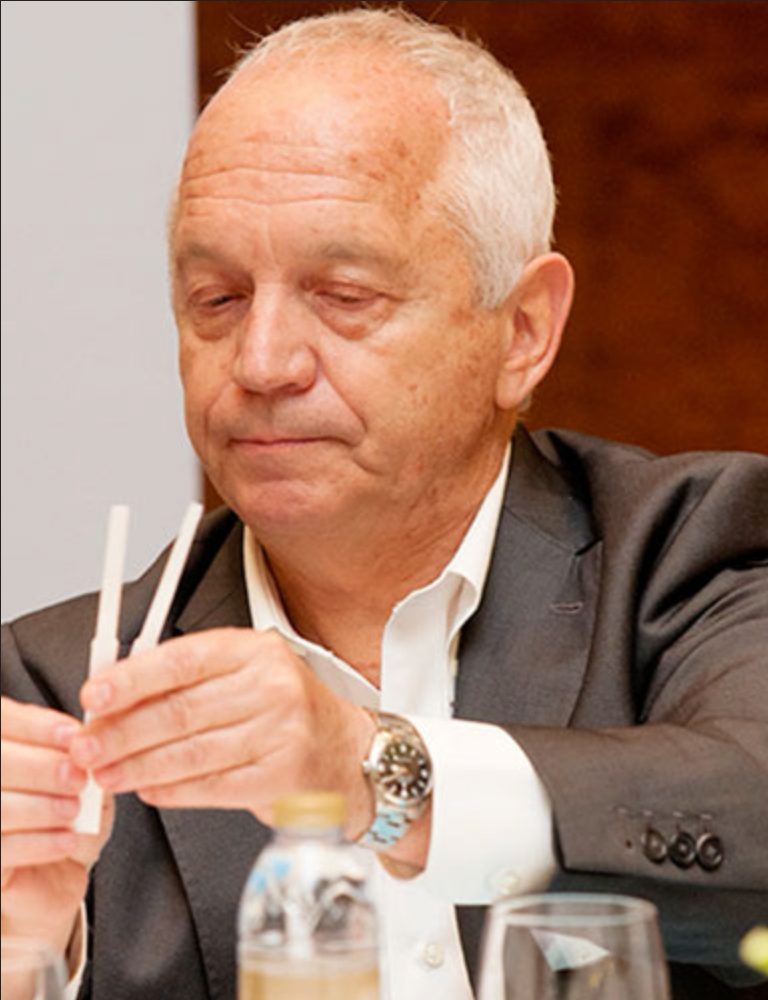
A fashion house does not compose a perfume. A perfumer does. Behind many legendary names stood an almost anonymous artist — a nose whose name rarely appeared on the bottle, in the advertisement, or in our memories. Houses such as Guerlain were different: they were born from perfumery itself. Becoming a perfumer also means years of training the nose and the memory: spending countless hours learning to recognise aromatic molecules and raw materials, memorising their nuances, and associating each scent with words, images, colours or personal references so that it can be identified and recalled with precision. And this is where one of the great mysteries of olfaction begins. Two aromatic materials, each with its own clearly recognisable smell, can, when combined in the right proportions, give rise to an entirely new olfactory impression — a third perceived scent that may seem to have little in common with either of them taken separately. No new molecule has necessarily been created: for our perception, the accord forms a new olfactory entity, which the brain interprets as a whole. This phenomenon is part of the magic, but also of the extraordinary complexity, of perfumery: the art of composing not only with smells, but with what their encounter makes us perceive. Over the years, increasingly restrictive regulations, precautionary limitations and the reformulation of countless aromatic materials have profoundly altered the perfumer’s palette. At the same time, marketing, consumer testing, cost targets and global expectations have too often replaced audacity with consensus. Even the great fashion houses have not escaped this decline. Their perfumes have been reformulated, sometimes repeatedly, in response to increasingly restrictive regulations, particularly those of the IFRA (International Fragrance Association) and the REACH regulation (Registration, Evaluation, Authorisation and Restriction of Chemicals), especially since the 2000s. Concentrations have become derisory, iconic molecules have been abandoned or severely restricted, and precious raw materials replaced: of some fragrances, little remains but the name and a distant memory. Where have those perfumes gone that truly dressed the skin, whose trail lingered in the wake of a passing presence and still clung to clothing days later? That depth, that opulence, that almost carnal persistence seem to belong to another age.
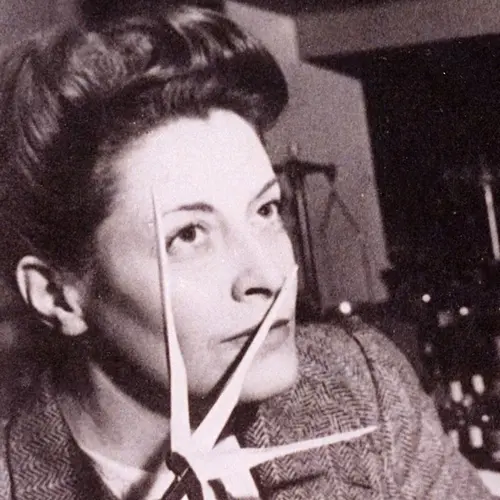
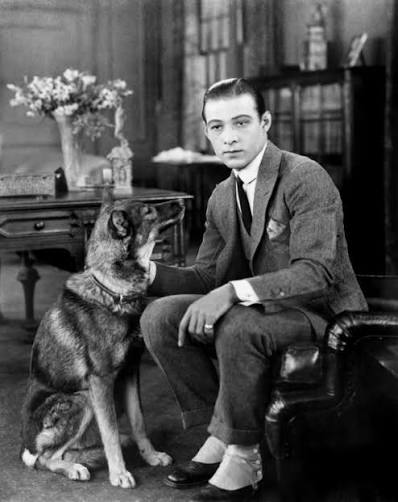
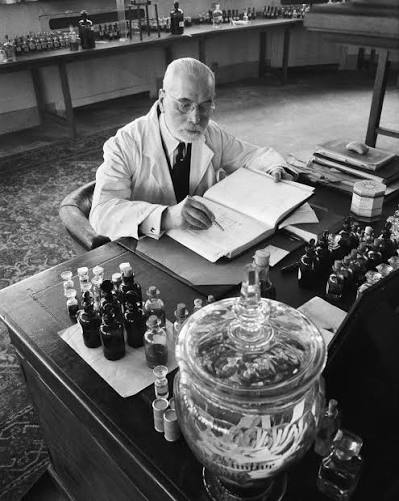
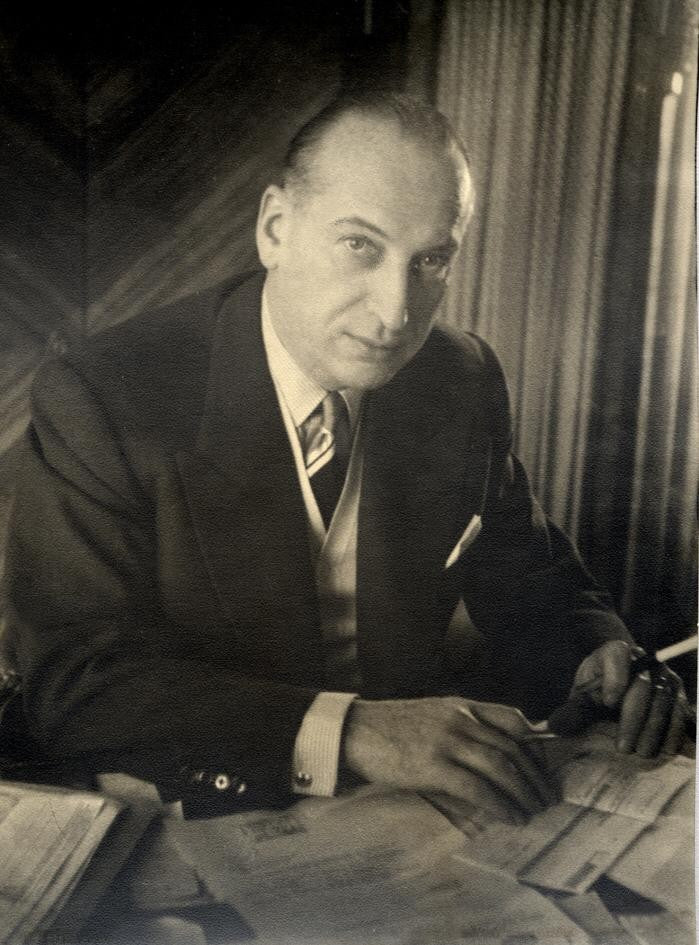
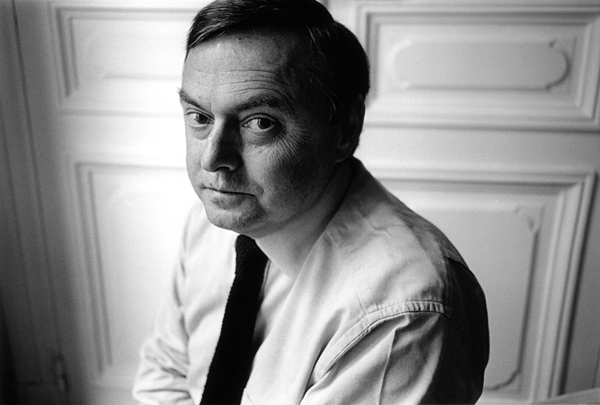
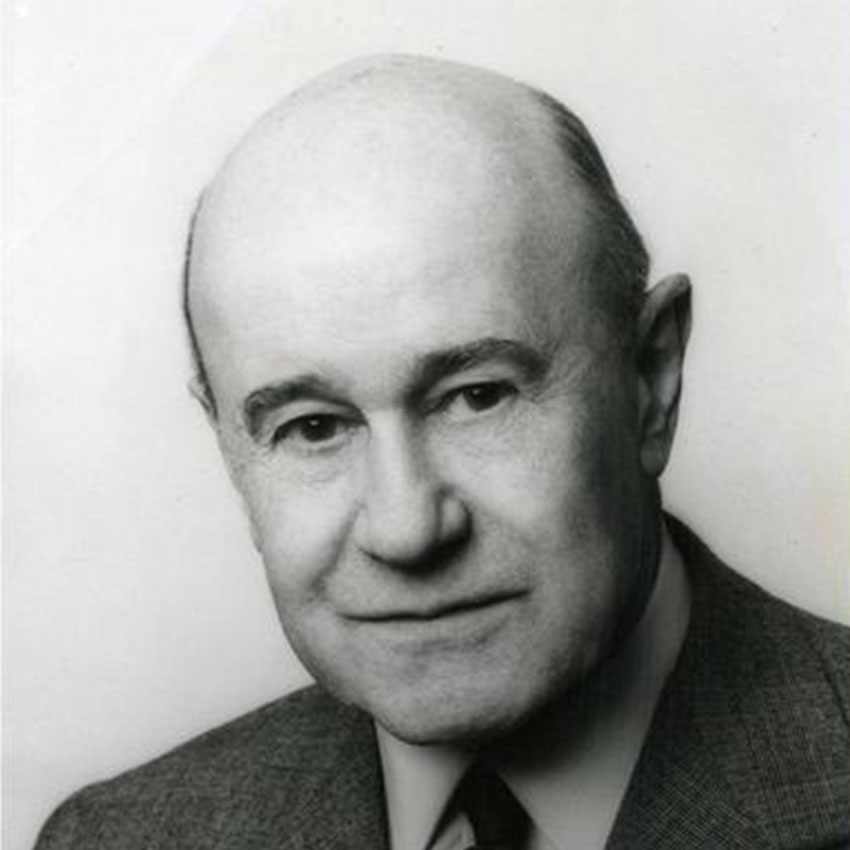
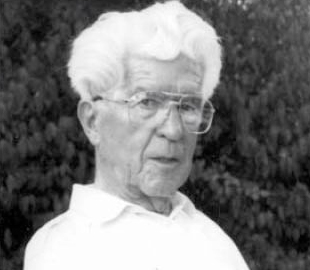
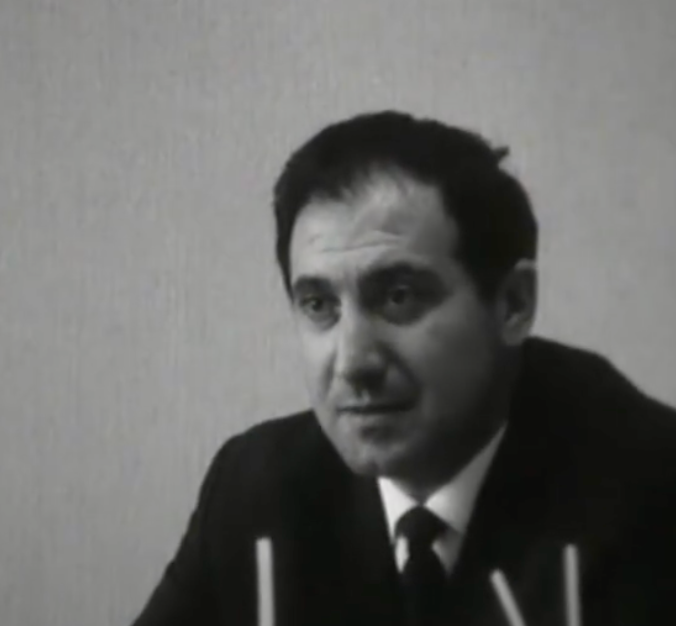
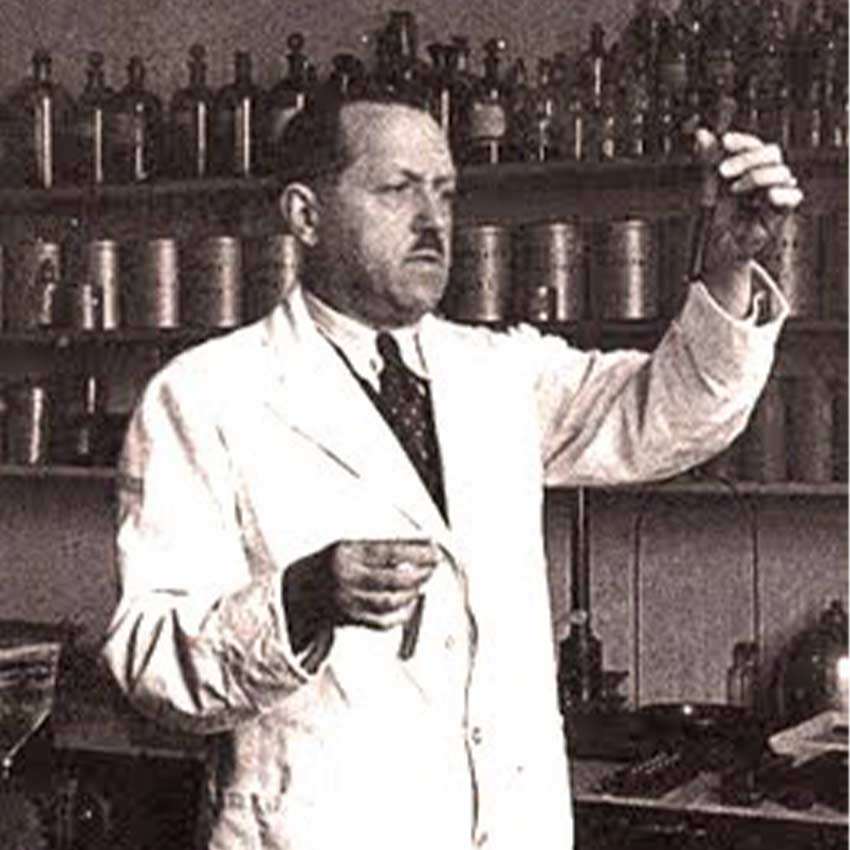
These are their faces. These are their names. These are their creations.
To the noses, the dreamers and the craftsmen of a disappearing art.
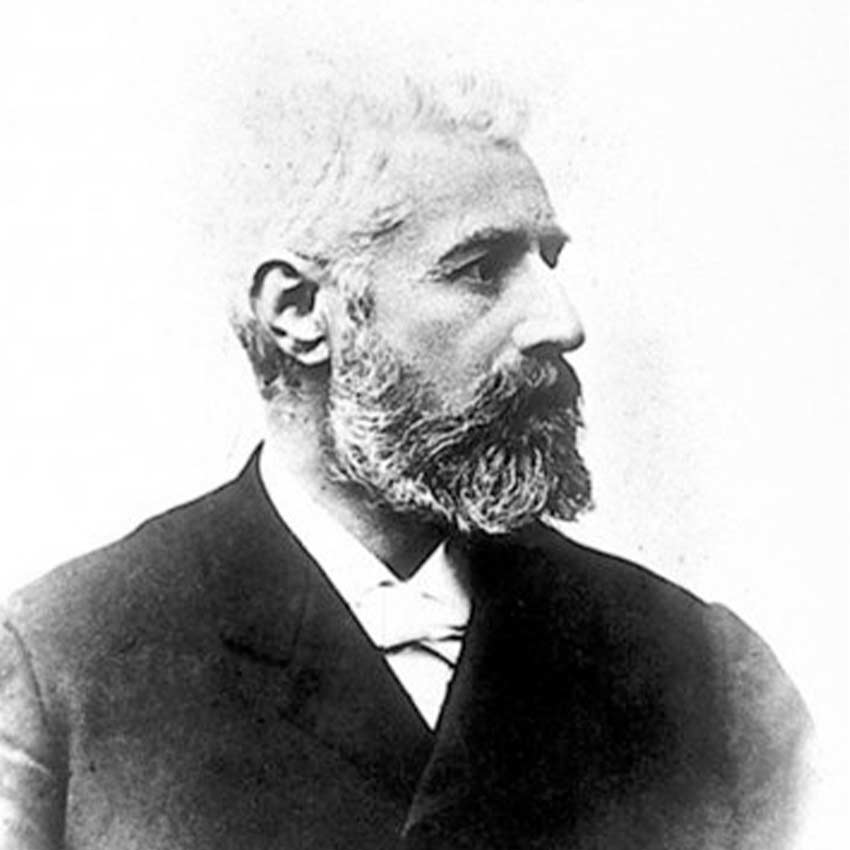
Edmond Roudnitska
Edmond Roudnitska
Diorella · Moustache
Germaine Cellier
Germaine Cellier
Vent Vert
Ernest Daltroff
Ernest Daltroff
Fleurs de Rocaille · Pour Un Homme
Jacques Guerlain
Jacques Guerlain
Mitsouko · Shalimar
Aimé Guerlain
Aimé Guerlain
Jicky
Jean-Paul Guerlain
Jean-Paul Guerlain
Vétiver · Habit Rouge · Chamade
Joséphine Catapano
Joséphine Catapano
Fidji
Jean-Louis Sieuzac
Jean-Louis Sieuzac
Opium
Ernest Beaux
Ernest Beaux
Chanel N°5
Paul Vacher
Paul Vacher
Miss Dior
Pierre Bourdon
Pierre Bourdon
Kouros
Henri Robert
Henri Robert
Chanel N°19
Francis Fabron
Francis Fabron
L’Air du Temps
Jean Martel
Jean Martel
Jules
Raymond Chaillan
Raymond Chaillan
Ho Hang · Opium · Anaïs Anaïs
Jean Amic
Jean Amic
Opium
Jean Carles
Jean Carles
Miss Dior
Roger Pellegrino
Roger Pellegrino
Anaïs Anaïs
Robert Gonnon
Robert Gonnon
Anaïs Anaïs
Paul Leger
Paul Leger
Anaïs Anaïs · Givenchy Gentleman
Jean Kerléo
Jean Kerléo
1000 · Sublime
Josette Ramisse
Josette Ramisse
Jean-Louis Scherrer
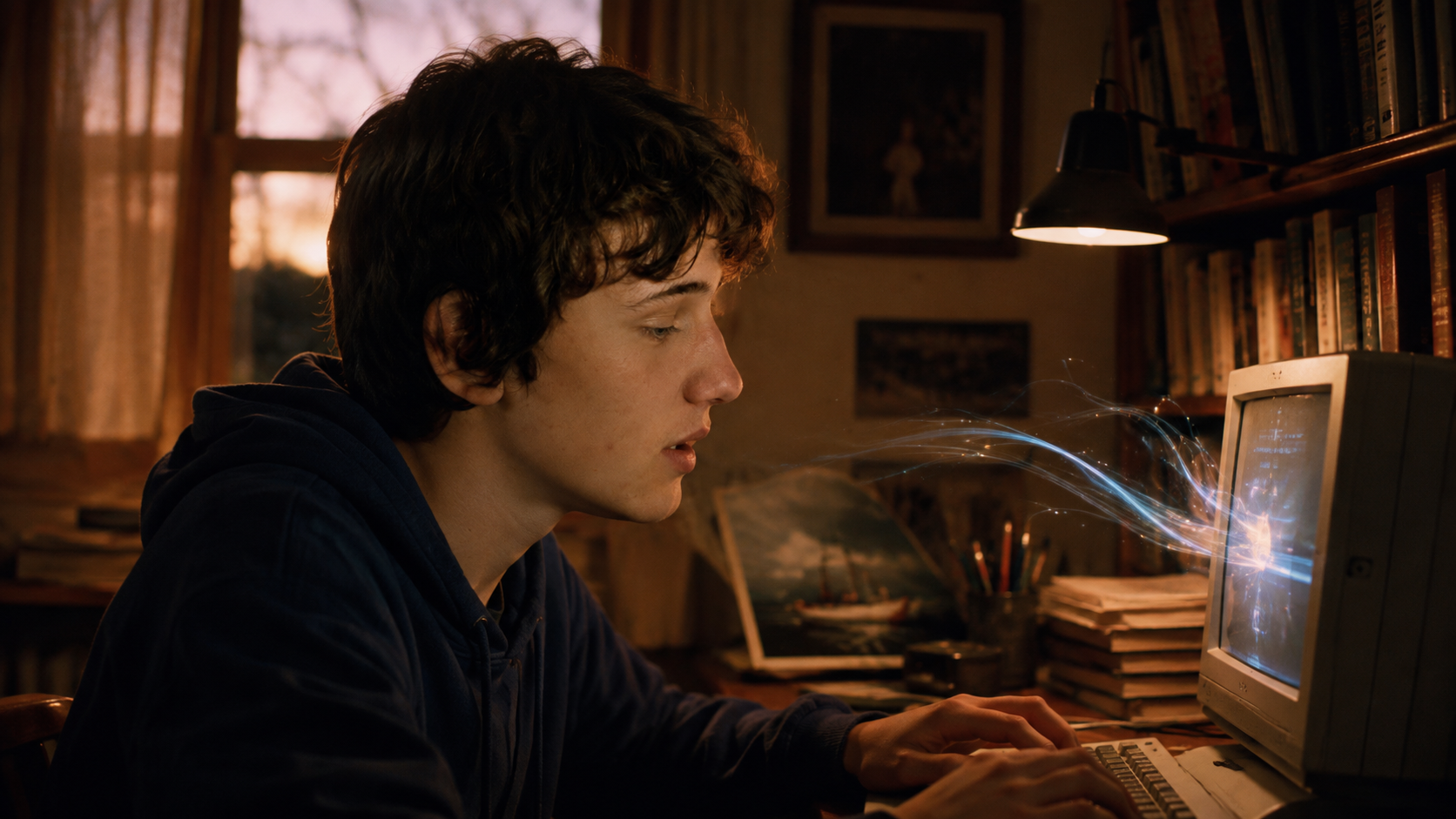
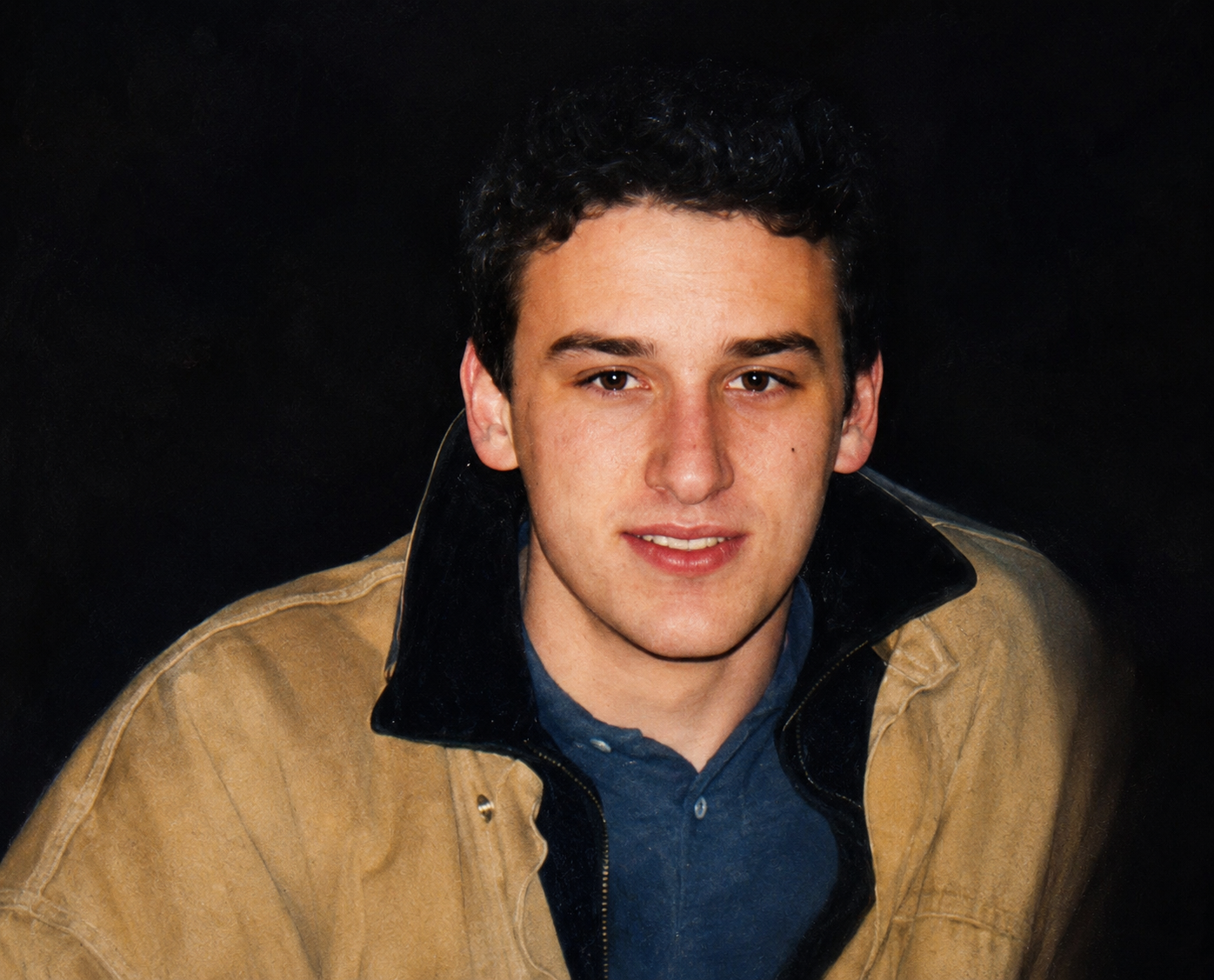
Nicolas devant un ordinateur — l'informatique comme outil de création
|
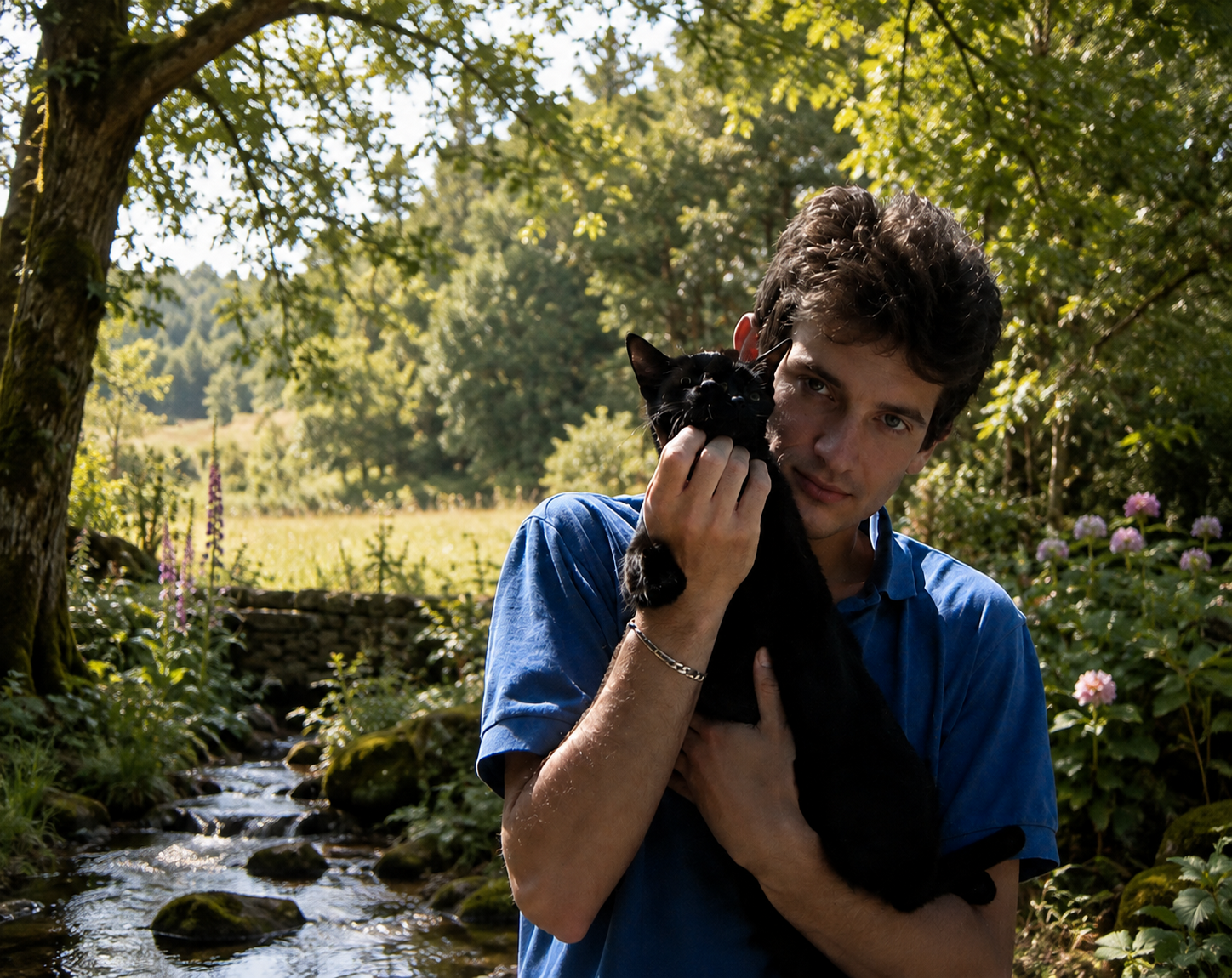
Nicolas avec un chat, au milieu de la nature
|
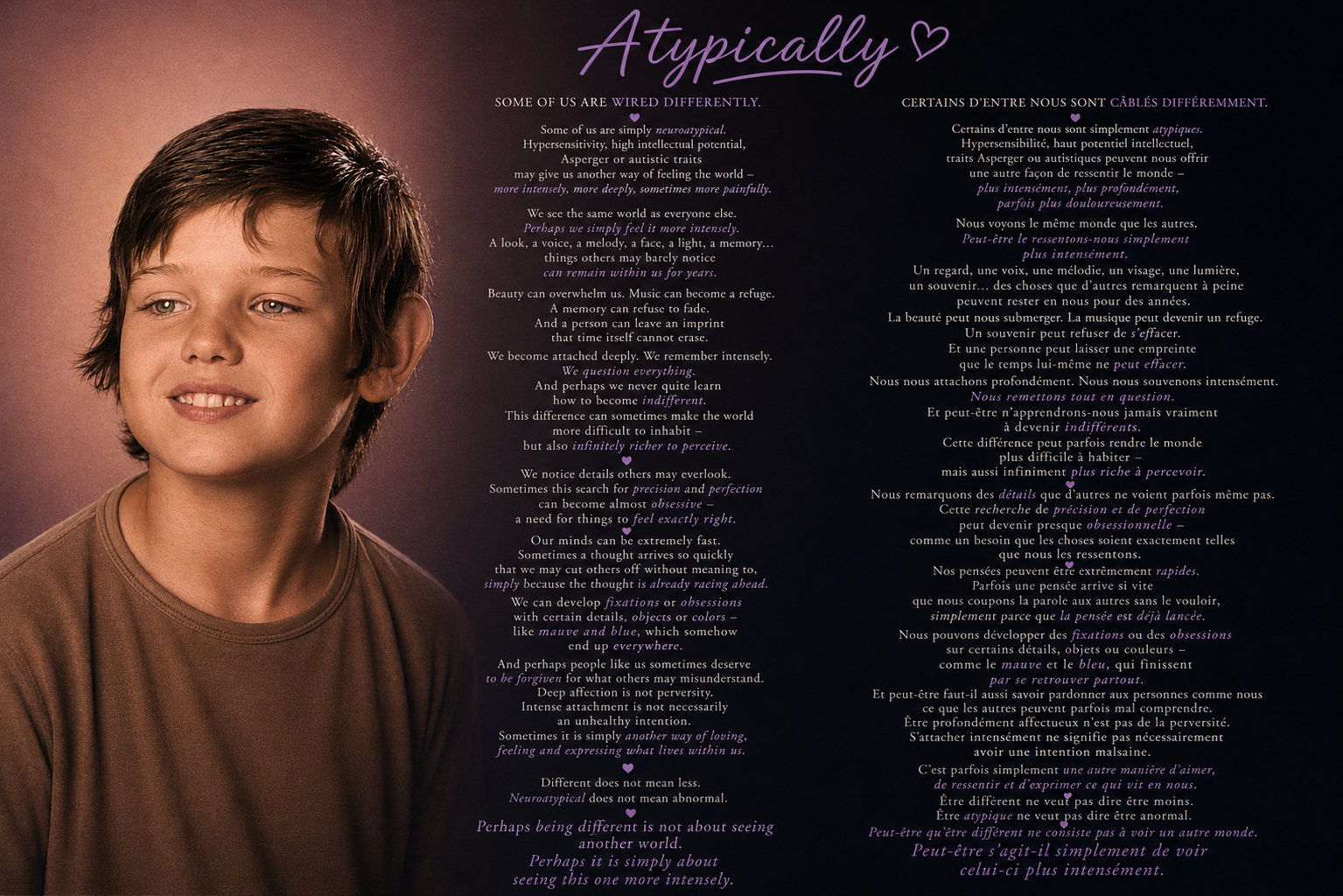
Perhaps being different is about seeing this world more intensely.
|
Atypically ♡
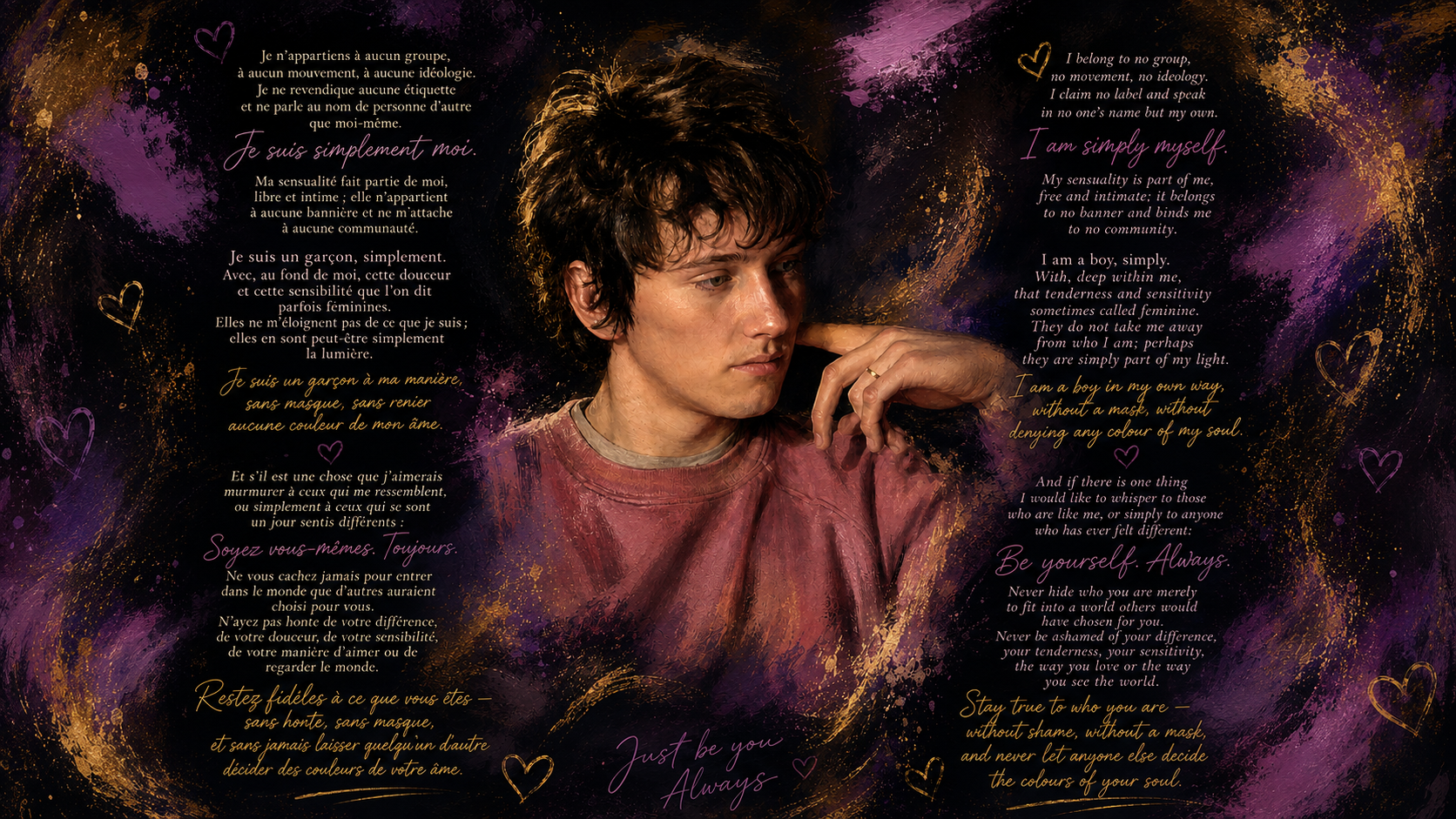
Sincerity
|
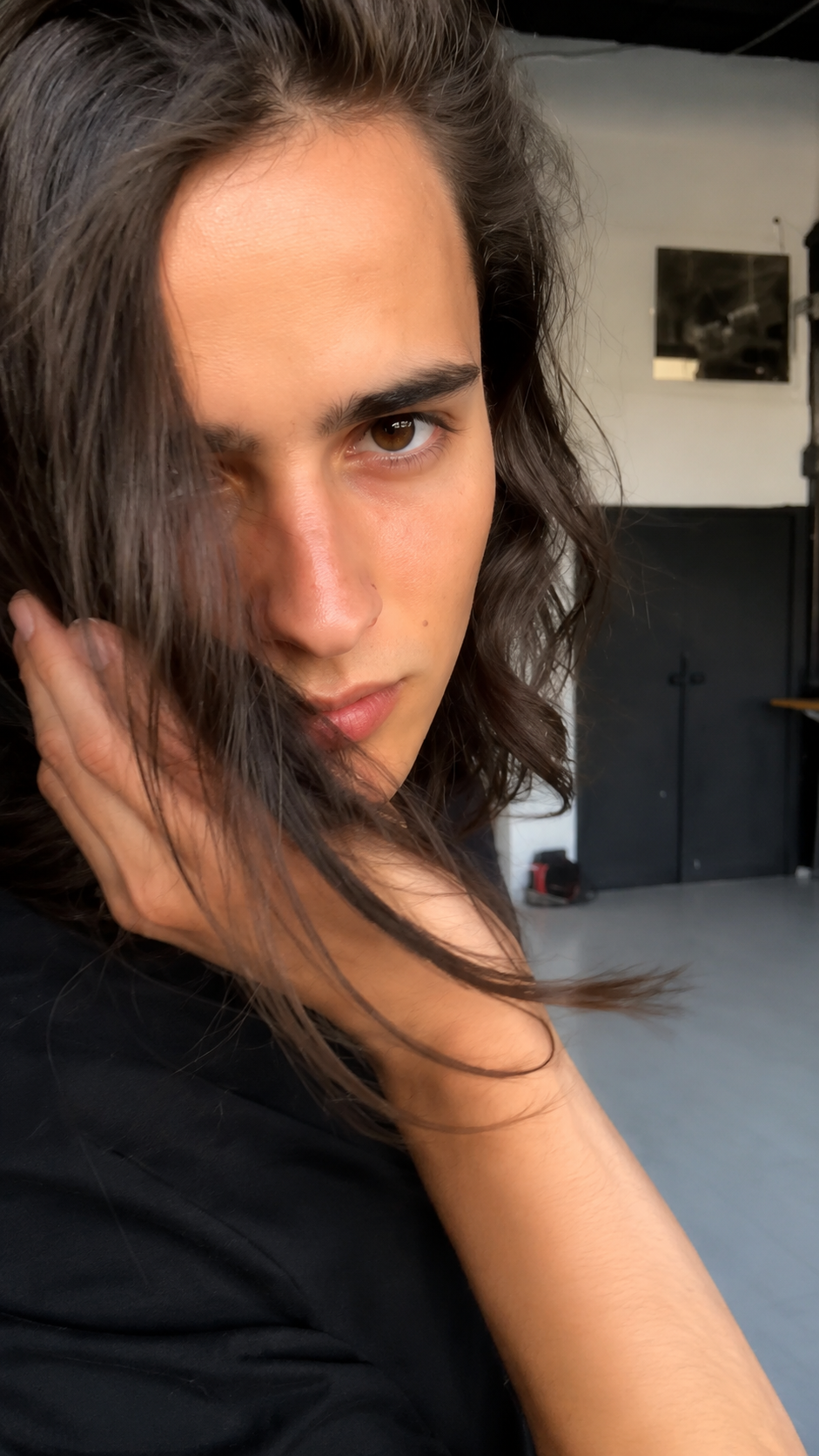
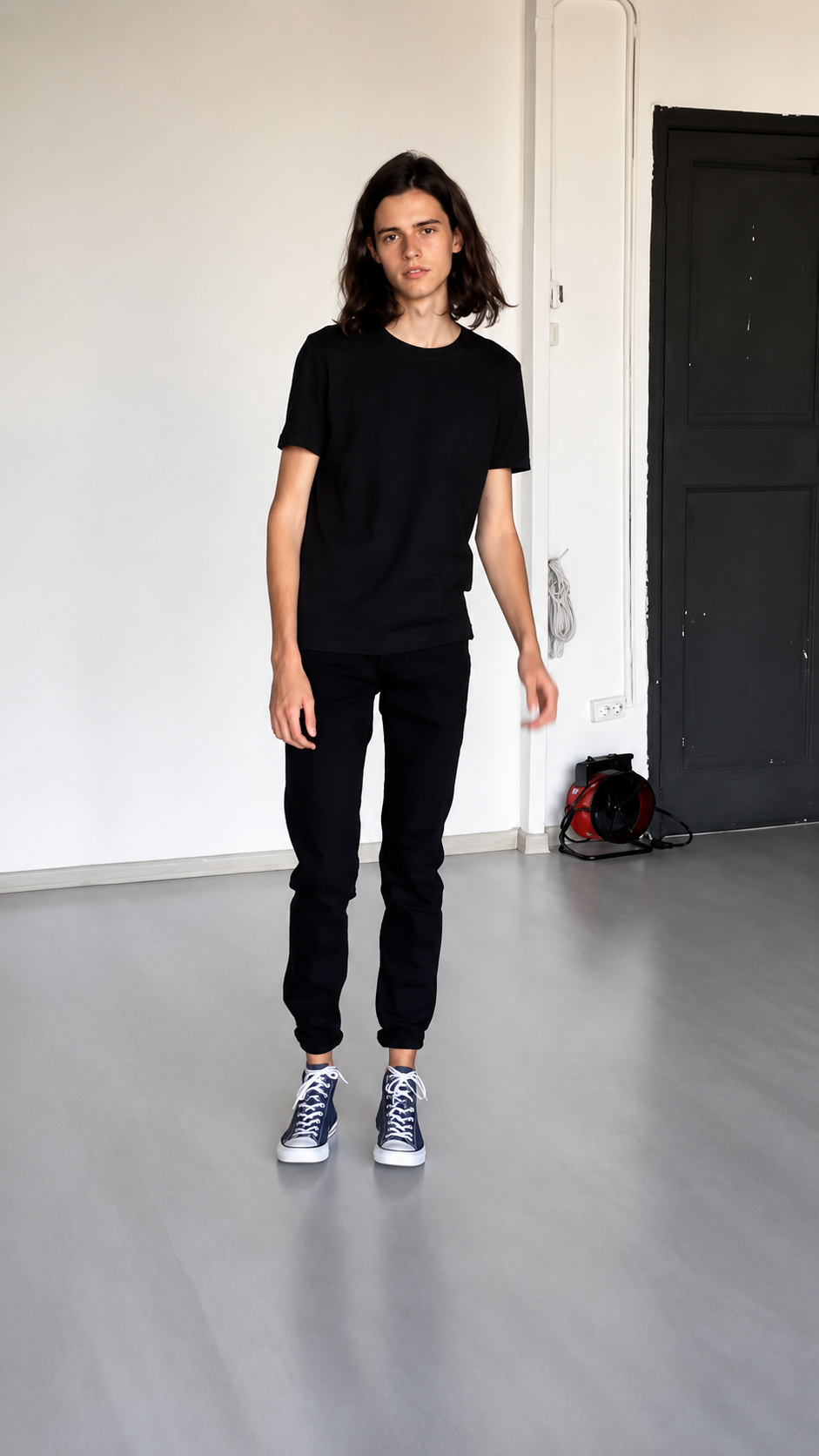
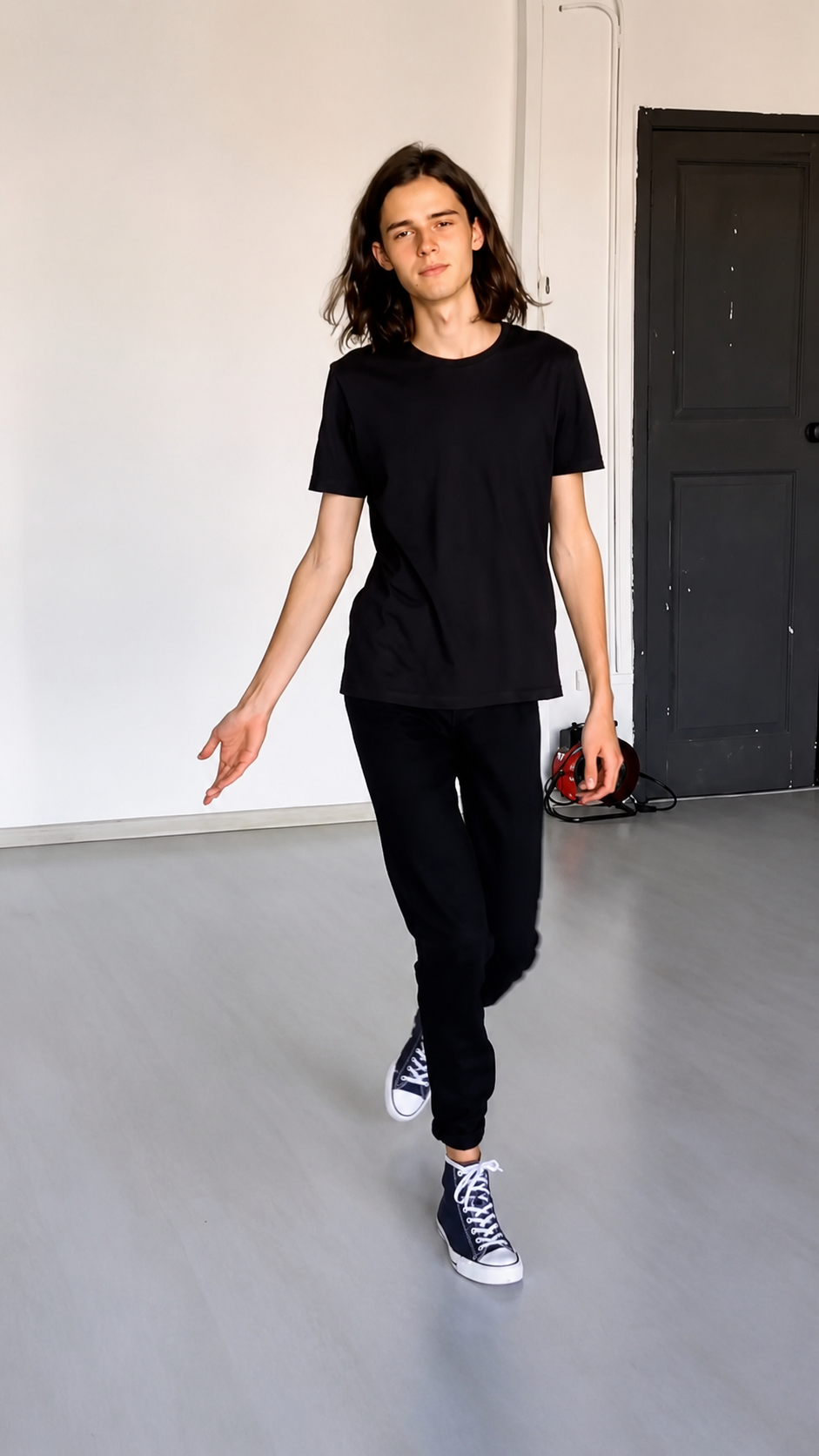
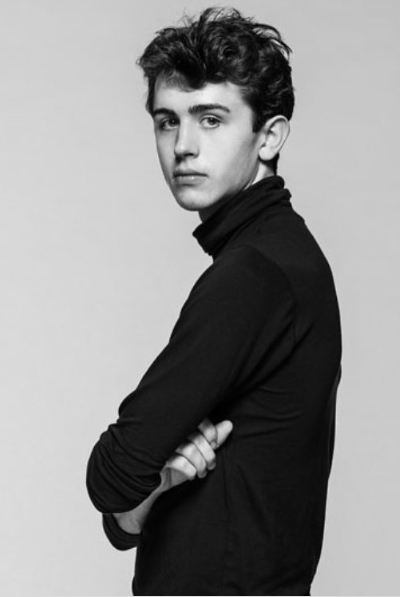
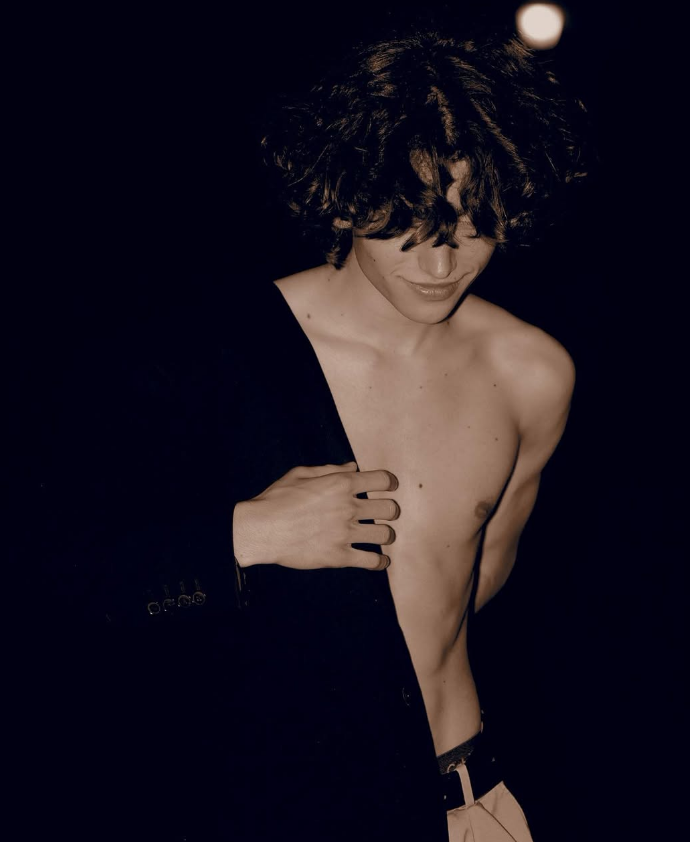
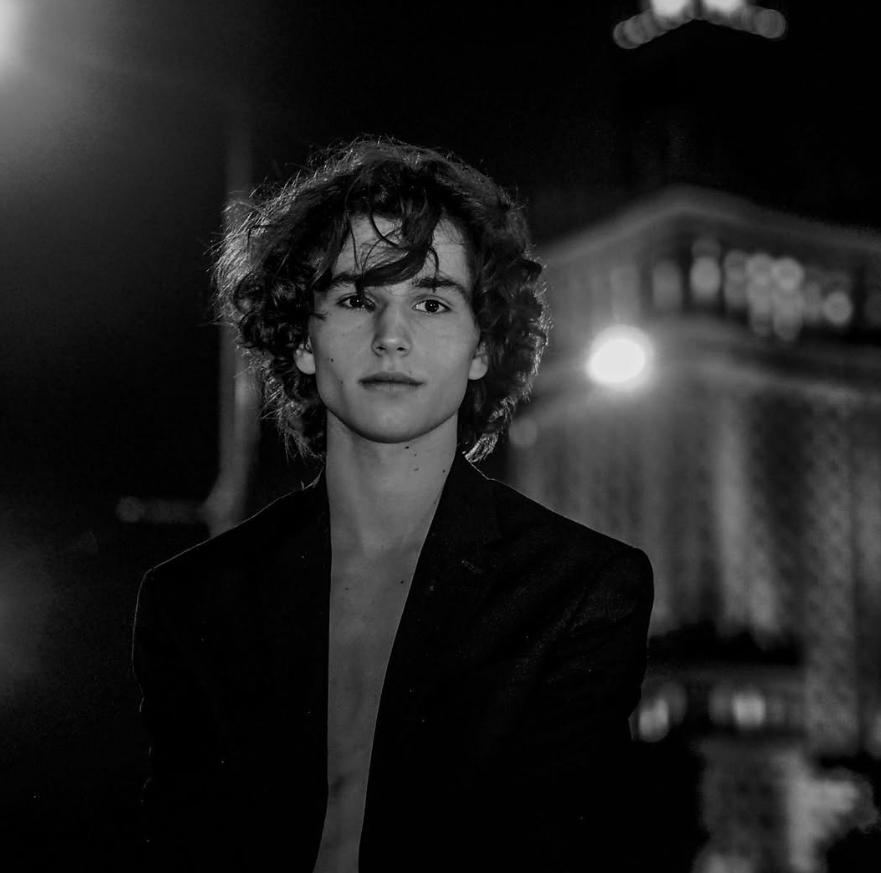
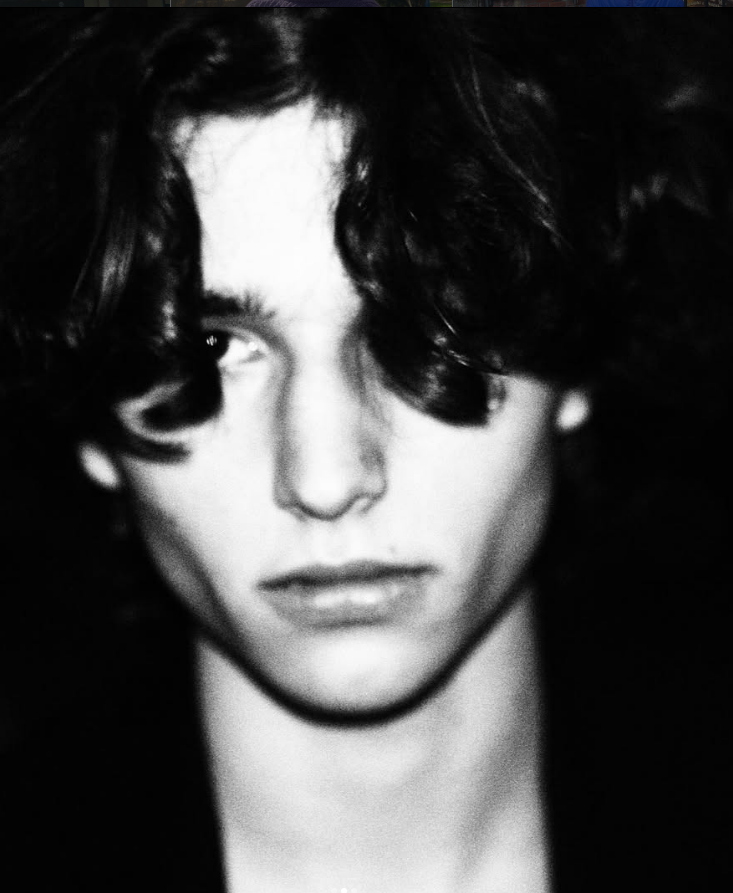
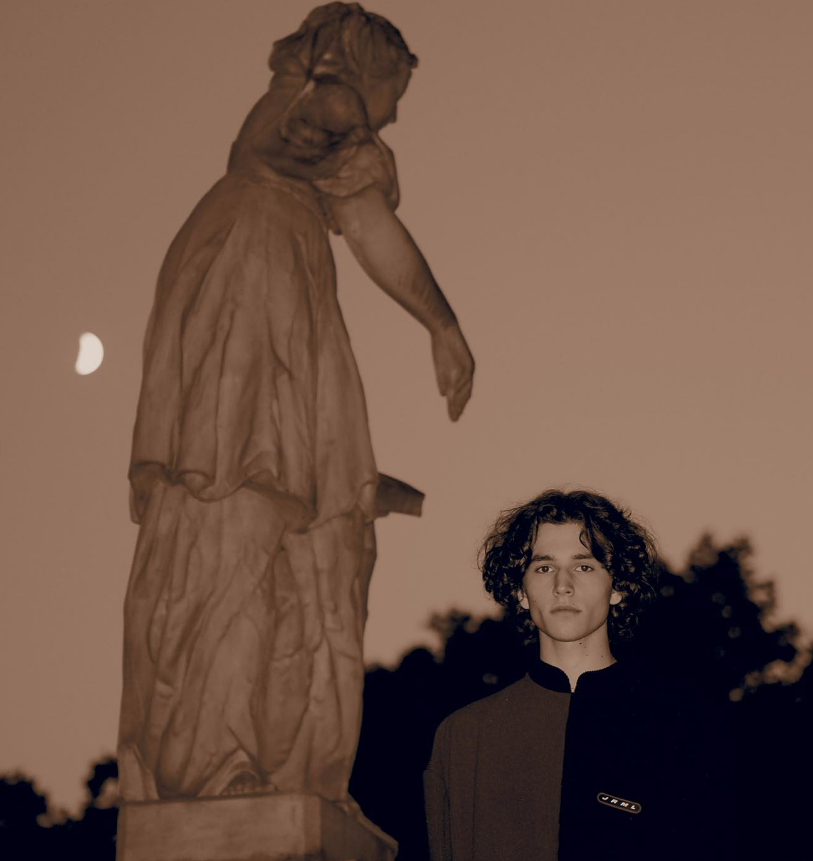
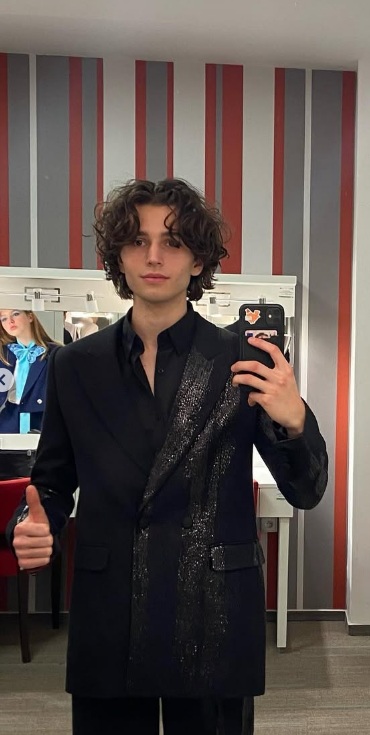
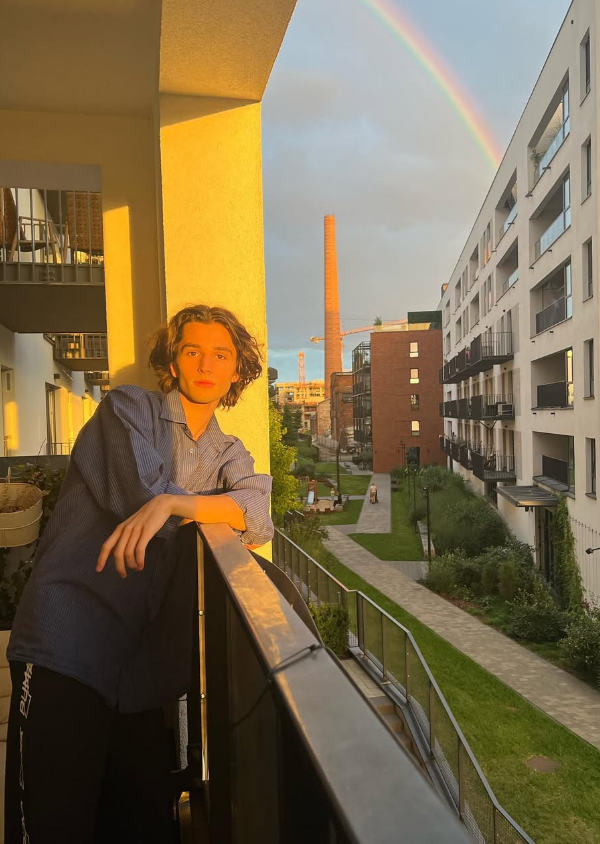
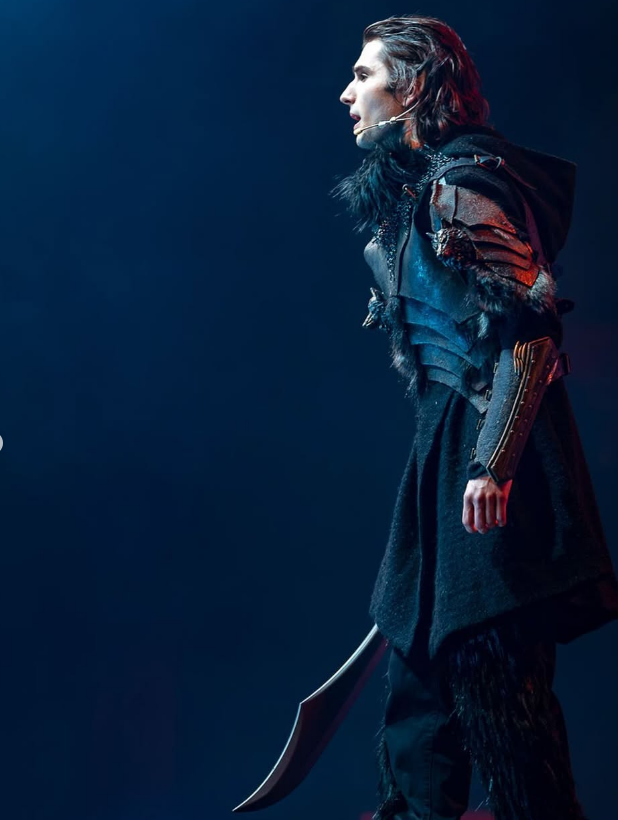
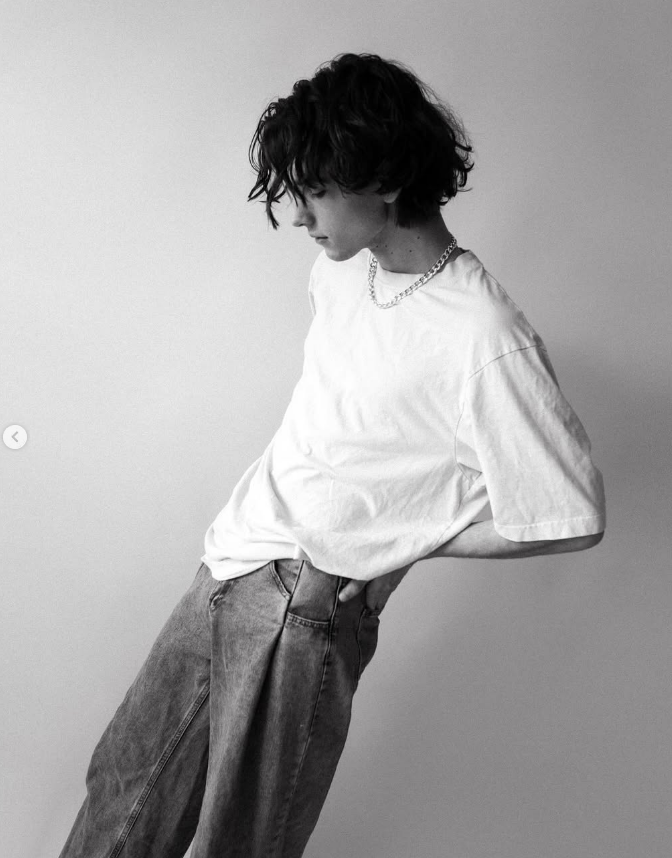
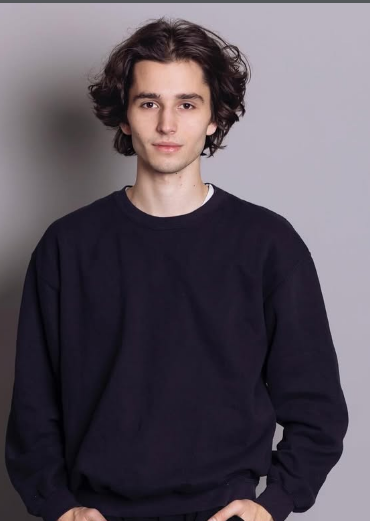
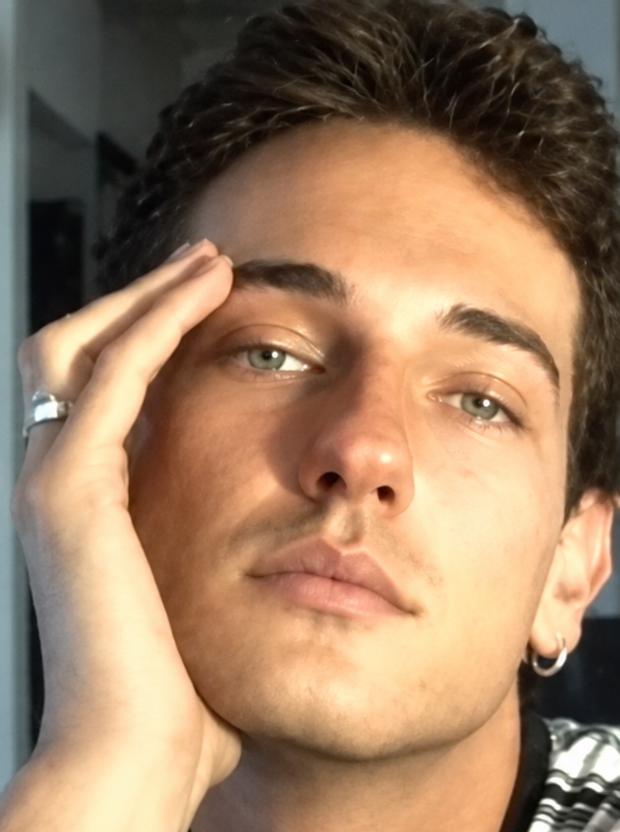
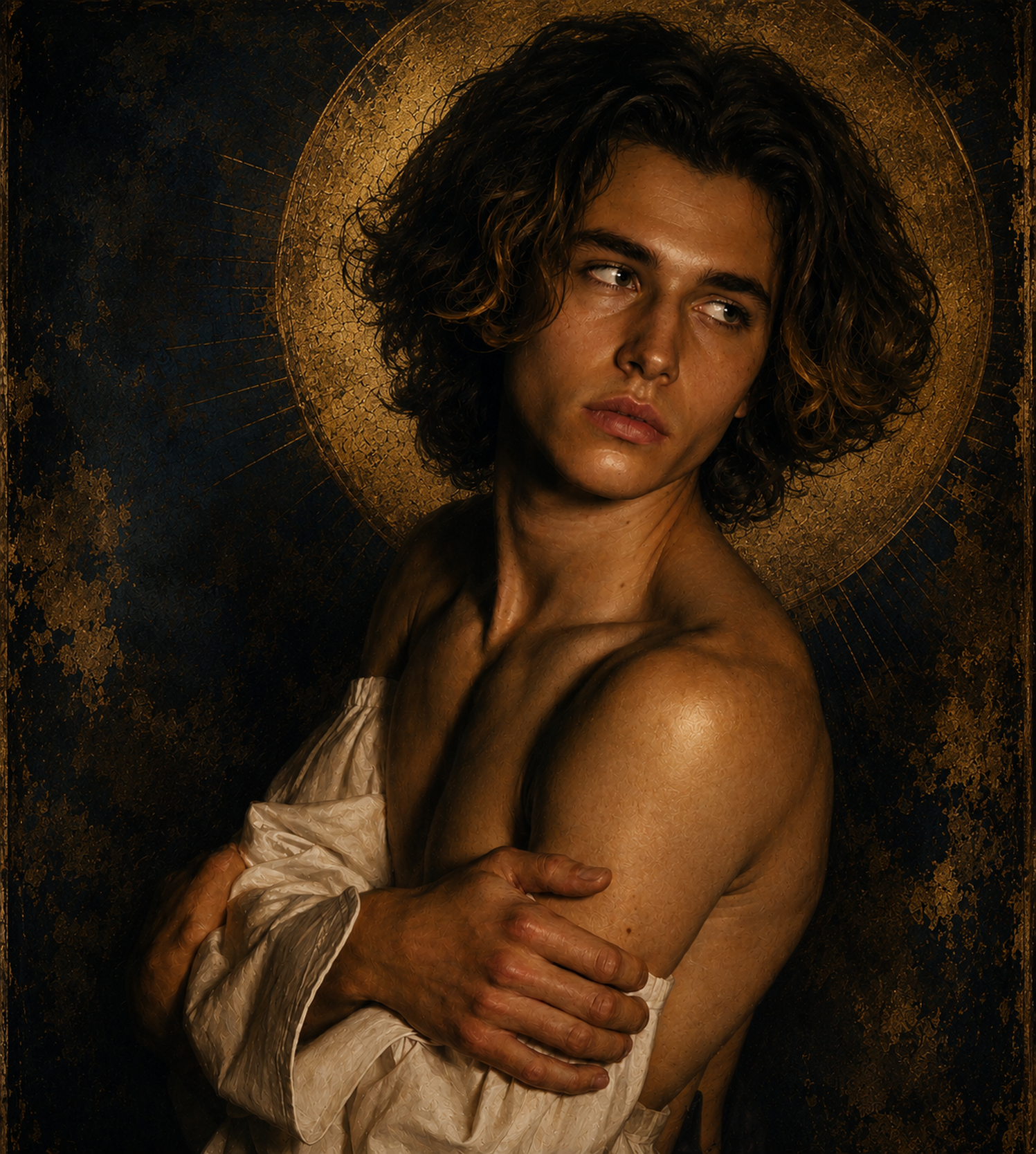
Dmitrii Murashev (19 yo) — A lovely Russian model, a singular beauty, absolute Sweetheart.

If only you know how to look not merely with your eyes, but also with your heart, there are beings whose beauty and magical, enchanting charm seem to have been borrowed from the stars before being entrusted to the Earth. When beauty becomes light, it no longer speaks only to our eyes, but to that secret place within us, in the deepest reaches of our soul, which, in the silent ears of contemplation, believes it recognizes the divine without ever having seen it. Then, for one suspended moment, a reflection of infinity is revealed to us, and in that eternal silence, it seems as though we have brushed against the face of God… From the Heart - Nicolas Burnouf

Pour peu que vous sachiez regarder non seulement avec vos yeux, mais aussi avec votre cœur, Il est des êtres dont la beauté et le charme, magiques et envoûtants, semblent avoir été empruntés aux étoiles avant d’être confiés à la Terre. Lorsque la beauté devient lumière, elle ne parle plus seulement à nos yeux, mais à cette part secrète, en nous, au plus profond de notre âme, qui, dans le silence des larmes de contemplation, croit reconnaître le divin sans jamais l'avoir vu. Alors, pour un instant suspendu, un reflet de l'infini nous est révélé, et dans ce silence éternel, il nous semble avoir effleuré le visage de Dieu… From the Heart - Nicolas Burnouf

Jeśli tylko potrafisz patrzeć nie tylko oczami, ale i sercem... Są istoty, których piękno i magiczny, urzekający urok zdają się być zaczerpnięte z gwiazd, zanim zostały powierzone Ziemi. Gdy piękno staje się światłem, przestaje przemawiać do oczu, lecz do tej najskrytszej części naszej duszy, która w cichych łzach kontemplacji zdaje się rozpoznawać to, co boskie, choć nigdy wcześniej tego nie ujrzała. W tej krótkiej, zawieszonej chwili odsłania się przed nami przebłysk nieskończoności; w ciszy wieczności zdaje się nam, że muśnęliśmy oblicze Boga… From the Heart - Nicolas Burnouf

Если вы умеете смотреть не только глазами, но и сердцем, есть существа, чья красота и магическое, завораживающее очарование словно были заимствованы у звёзд, прежде чем их доверили Земле. Когда красота становится светом, она обращается уже не только к нашим глазам, но и к той сокровенной частице внутри нас, в самой глубине нашей души, которая в тишине слёз восхищения словно узнаёт божественное, никогда прежде его не видев. И тогда, в одно мгновение, застывшее вне времени, нам открывается отблеск бесконечности, и в этой вечной тишине нам кажется, будто мы едва коснулись лика Бога… From the Heart - Nicolas Burnouf

Αν ξέρετε να κοιτάζετε όχι μόνο με τα μάτια σας, αλλά και με την καρδιά σας, υπάρχουν υπάρξεις των οποίων η ομορφιά και η μαγική, σαγηνευτική γοητεία μοιάζουν να έχουν δανειστεί από τα αστέρια πριν εμπιστευτούν στη Γη. Όταν η ομορφιά γίνεται φως, δεν μιλά πια μόνο στα μάτια μας, αλλά σε εκείνο το μυστικό κομμάτι μέσα μας, στα βάθη της ψυχής μας, που, μέσα στη σιωπή των δακρύων της περισυλλογής, πιστεύει πως αναγνωρίζει το θείο From the Heart - Nicolas Burnouf

Wenn ihr nicht nur mit euren Augen, sondern auch mit eurem Herzen zu sehen vermögt, gibt es Wesen, deren Schönheit und deren magischer, bezaubernder Charme den Sternen entliehen zu sein scheinen, bevor sie der Erde anvertraut wurden. Wenn Schönheit zu Licht wird, spricht sie nicht mehr nur zu unseren Augen, sondern zu jenem verborgenen Teil in uns, tief im Innersten unserer Seele, der in der Stille der Tränen der Betrachtung das Göttliche zu erkennen glaubt, ohne es je gesehen zu haben. Dann, für einen Augenblick außerhalb der Zeit, offenbart sich uns ein Schimmer der Unendlichkeit, und in dieser ewigen Stille scheint es uns, als hätten wir das Antlitz Gottes sanft berührt… From the Heart - Nicolas Burnouf

Om ni förmår se, inte bara med era ögon utan också med ert hjärta, finns det människor vars skönhet och magiska, förtrollande charm tycks ha lånats från stjärnorna innan de anförtroddes åt jorden. När skönheten blir till ljus talar den inte längre bara till våra ögon, utan till den hemliga platsen inom oss, i vår själs allra djupaste vrå, som, i betraktelsens tysta tårar tror sig känna igen det gudomliga utan att någonsin ha sett det. Då, för ett ögonblick bortom tiden, uppenbaras för oss en glimt av oändligheten, och i denna eviga tystnad känns det som om vi varsamt hade vidrört Guds ansikte… From the Heart - Nicolas Burnouf
Préparation...
10 ♥
Keep Cool …